
ALMATY – Kazakhstan demonstrates a profound transformation of the industrial sector, developing high-value-added production to introduce systemic measures for the country’s industrial sovereignty reinforcement, in alignment with the priorities set out in the President Kassym-Jomart Tokayev’s 2024 state-of-the-nation address.
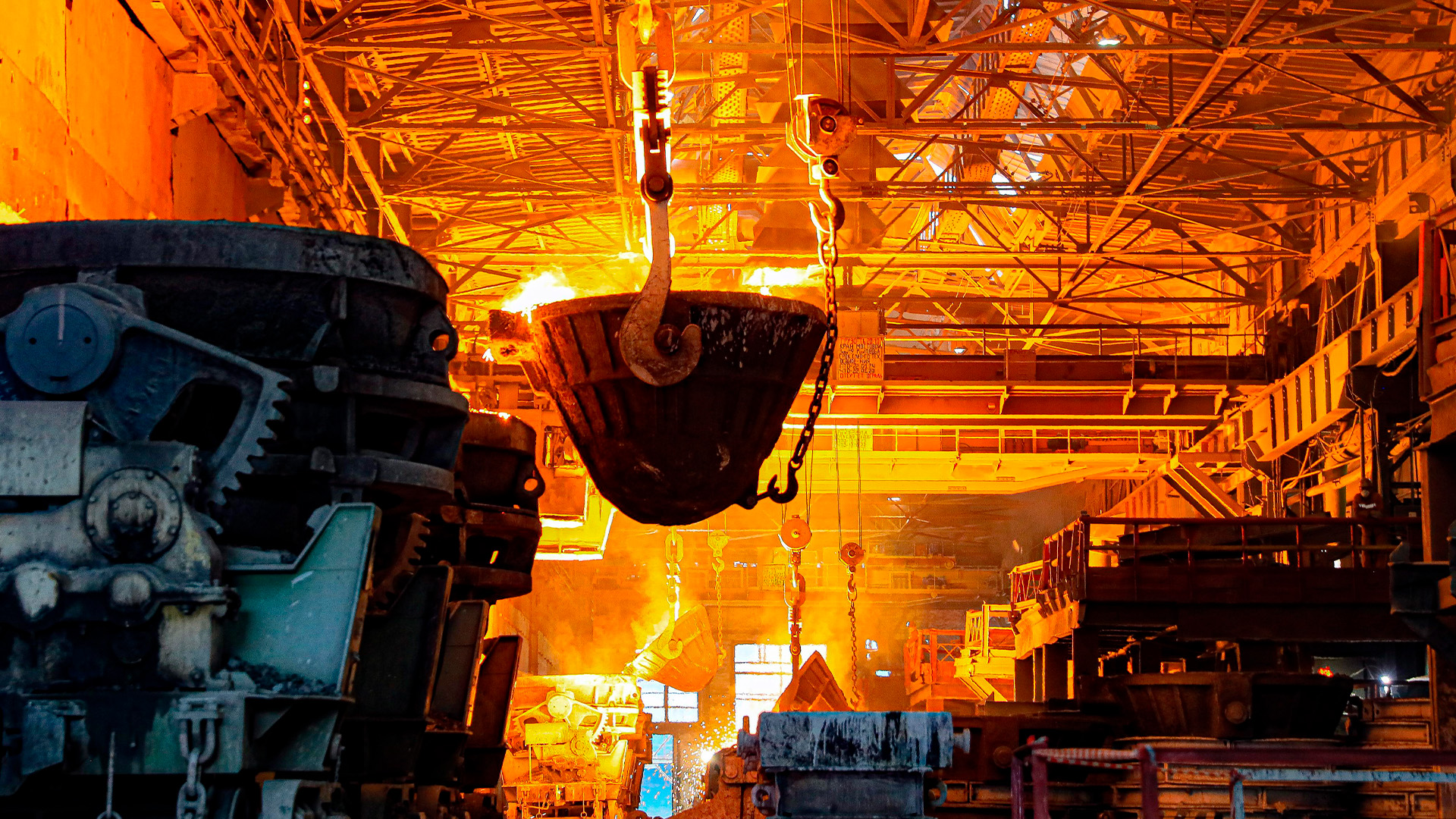
Photo credit: primeminister.kz
Industrial sector shows strong momentum
Kazakhstan’s industrial output grew by 6.9% in the first seven months of 2025, demonstrating the effectiveness of ongoing reforms. According to the Ministry of Industry and Construction, both the mining sector, which expanded by 8.5%, and the manufacturing sector, which rose by 6.1%, contributed significantly to this positive trend, reported the Prime Minister’s press service on Sept. 4.
Vice Minister of Industry and Construction Olzhas Saparbekov emphasized that the government’s industrial policy is focused on modernizing production facilities.
“The country’s industrial development strategy focuses on boosting production volumes, improving labor conditions and launching high-value-added manufacturing facilities. A key priority is attracting significant investment, including from leading international companies, to create sustainable jobs and strengthen Kazakhstan’s position as a competitive player in the global industrial landscape,” he said.
Automotive manufacturing leads technological transformation
The automotive industry has become one of the key drivers of Kazakhstan’s technological modernization, showing a 14% growth this year. Passenger car production increased by 18.6%, while agricultural machinery output rose by 6.4%, further strengthening the country’s industrial base.
The launch of a tire manufacturing plant in Saran has transformed the city’s economic profile, helping reduce dependency on imports and creating new jobs. At the same time, a multi-brand car production plant in Almaty and a Kia manufacturing facility in Kostanay are set to significantly boost domestic output and enhance Kazakhstan’s role in the regional automotive market.
Karaganda has also emerged as an important center for consumer electronics, with a factory now producing up to 150,000 televisions and 200,000 washing machines annually, reflecting the country’s gradual shift toward more technologically advanced industries.
Metallurgy and chemical industries drive diversification
Kazakhstan’s metallurgical sector is steadily expanding, supported by large-scale modernization at the Qarmet plant and increased production of ferrosilicon, pig iron and steel.
“Particular attention is given to further processing of base metals. This year, we plan to double copper processing, increase aluminum production by 1.5 times, lead three times, and zinc by 11%. Measures to ensure a stable supply of base metals for domestic manufacturers help load enterprises producing medium and high-value products,” Saparbekov said.
The chemical industry is also gaining momentum, with overall production up 6%. This growth is largely driven by a 46% surge in polypropylene output and a 68% increase in ammonium phosphate production, as well as the development of new petrochemical facilities.
New investments fuel job creation and regional development
The government plans to implement 190 industrial projects in 2025, with a total investment of about 1.5 trillion tenge (approximately US$2.78 billion) and the creation of over 23,000 permanent jobs nationwide.
So far, 75 projects have already been launched, contributing to the emergence of new industrial hubs across the country.
Special Economic Zones (SEZs) and Industrial Parks play a key role in attracting domestic and international investors by offering modern infrastructure, tax incentives, and streamlined access to long-term contracts.
Digital transformation in subsoil use and geological exploration
A major breakthrough in Kazakhstan’s industrial modernization came with the launch of the Unified Subsoil Use Platform (USP) in 2025 The platform has introduced a new level of transparency and efficiency by automating licensing procedures, streamlining auctions, and ensuring open access to geological data.
The system hosts over 66,000 geological reports, features an interactive exploration map, and provides 22 fully digitized state services.
Expanding the resource base
In 2025, 73 new exploration sites were included in the program, covering a total area of 2,652.5 square kilometers, alongside 62 deposits prepared for upcoming auctions.
In the first seven months of 2025, five new deposits of solid minerals were officially registered, including Kok-Zhon, Altyn-Shoko, Samombet, Studenchesky and Takyr-Kaldzhir. These discoveries contributed to the country’s resource reserves, adding an estimated 97.8 tons of gold, 11.9 tons of silver, and 36,400 tons of copper.
To accelerate geological exploration and attract investors, the government allocated 7.6 billion tenge (US$14 million) in 2025. This funding also supports the review and development of technogenic mineral formations, with 1,630 sites assessed, accounting for 53.6 billion tons of materials.
Strengthening transparency and investor confidence
A new bill focusing on digitalization and auction procedures is scheduled for submission to Parliament in the third quarter of 2025. In addition, recent amendments will redirect 50% of signature bonuses toward financing state geological studies, further ensuring that revenues from resource extraction support long-term development.
As of 2025, Kazakhstan manages 2,615 licenses and 319 contracts related to exploration and production. Over the first seven months of the year, authorities issued 506 new exploration licenses, 18 production licenses, and 114 permits for geological research. In parallel, 83 licenses were granted for exporting geological data, while 37 contracts were terminated and 61 licenses revoked from operators failing to meet regulatory requirements.
Positioning Kazakhstan as a regional leader
By investing in high-tech manufacturing, expanding deep resource processing, and promoting environmentally responsible industrial practices, Kazakhstan is positioning itself as a regional leader in advanced production. This comprehensive strategy aims to ensure long-term economic stability, create high-quality jobs, and enhance the country’s global competitiveness.
