
ASTANA — Kazakhstan’s development of the North-South transport corridor could open new export markets, diversify trade routes and strengthen the country’s position as a regional transit hub, according to Kazakh experts. They say realizing these opportunities will depend on infrastructure improvements, competitive tariffs and closer coordination among participating countries.
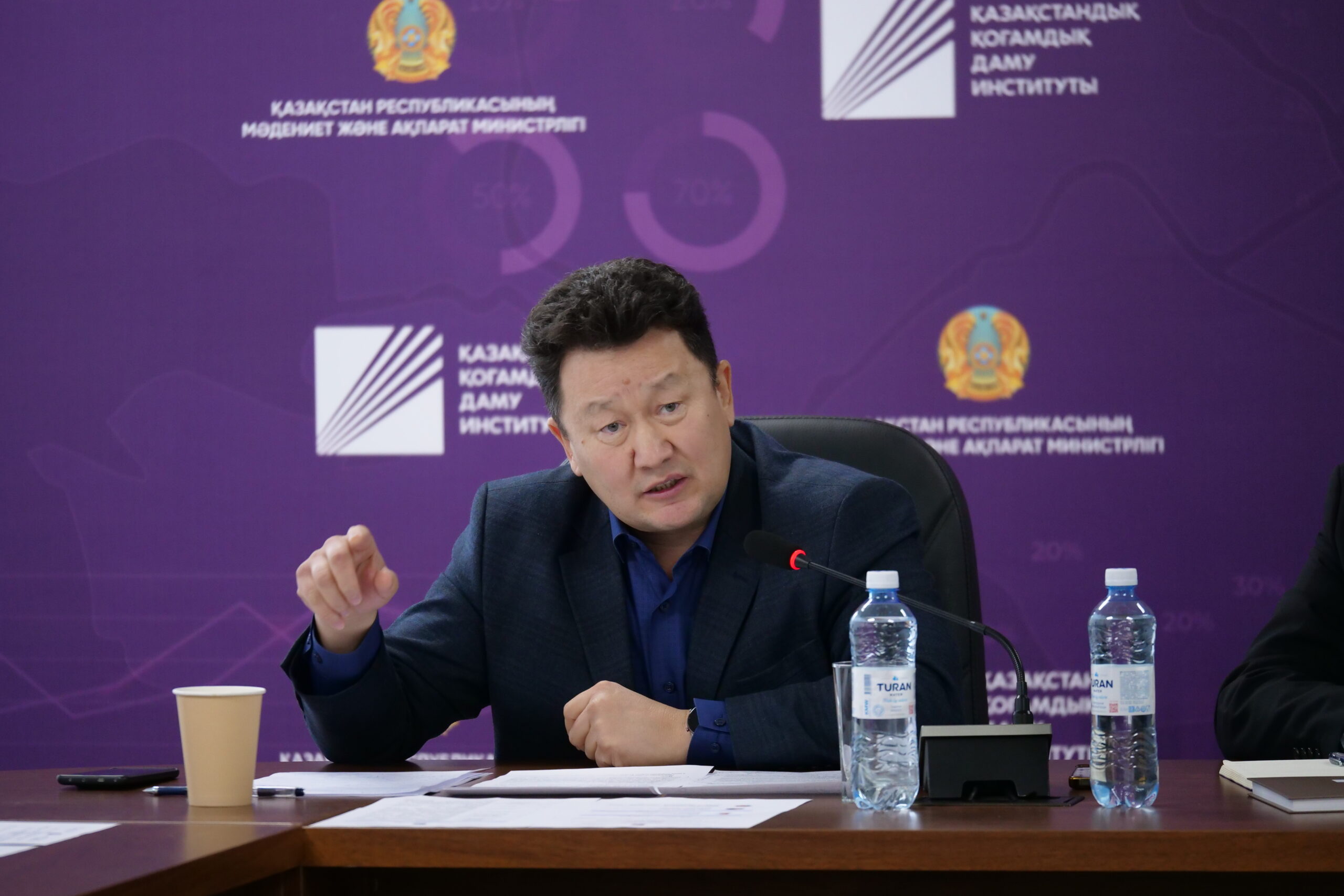
Arman Yeshmuratov. Photo credit: KIPD.
The corridor gained fresh attention on Oct. 8, when President Kassym-Jomart Tokayev addressed the eighth Consultative Meeting of the Heads of State of Central Asia and Azerbaijan in Turkmenistan’s Avaza National Tourist Zone. Tokayev highlighted growing demand for the Middle Corridor while reaffirming the strategic importance of the North-South route.
The two corridors serve different geographical directions. The Middle Corridor connects China and Central Asia with Azerbaijan and European markets through the Caspian Sea, while the North-South network provides access to Iran, the Persian Gulf and South Asian markets.
According to Arman Yeshmuratov, a political scientist and expert at the Kazakhstan Institute for Public Development (KIPD), Tokayev’s remarks reflect Kazakhstan’s strategy of diversifying transport routes and expanding economic partnerships.
“Developing the North-South route could expand Kazakh enterprises’ access to new markets and boost freight transportation. Achieving this requires infrastructure modernization, coordinated logistics solutions and simplified customs procedures,” said Yeshmuratov.
The geographical advantages of the route are particularly relevant for Kazakhstan’s landlocked economy, where access to distant markets depends on reliable and commercially competitive transit connections.
KIPD expert Almat Nukenov said the corridor’s economic benefits should ultimately be measured through the opportunities available to Kazakh businesses.
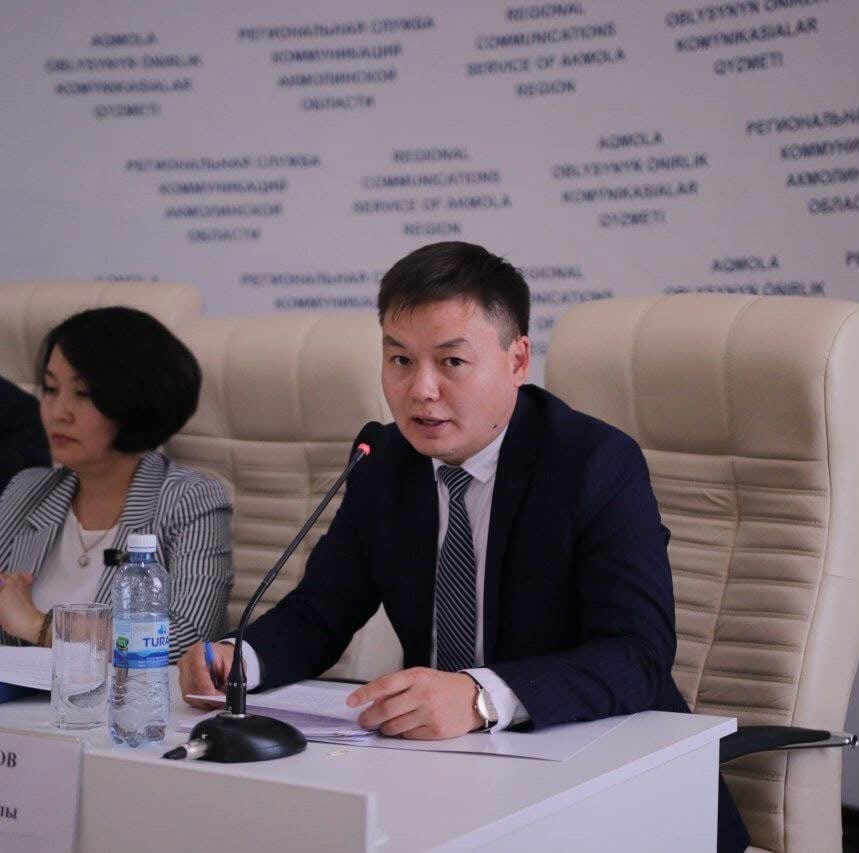
Almat Nukenov. Photo credit: KIPD
“For Kazakhstan, its value should be reflected in orders for domestic carriers, revenue from logistics services and opportunities for exporters. The outcome depends on tariffs, delivery reliability and how the benefits are distributed among participants,” said Nukenov.
“The wider the choice available to our enterprises, the less dependent they are on individual routes and the stronger the country’s negotiating position. The North-South route should be assessed precisely by how much it expands that choice,” he added.
The approach is consistent with Kazakhstan’s broader transport policy. In his September 2025 state-of-the-nation address, Tokayev identified the North-South, East-West and Trans-Caspian corridors as interconnected components of the country’s transit system, calling for infrastructure investment, digitalization and greater economic returns from freight transportation.
Growing freight demand and access to markets
Recent government figures indicate increasing demand for the southern transport direction, creating opportunities for Kazakhstan to expand its participation in regional and international trade.
According to Kazakhstan’s Ministry of National Economy, freight transportation along the North-South corridor increased 12% in 2025, reaching 3.5 million tons. Trade turnover between Kazakhstan and Iran grew 26.4% to $430.2 million over the same period.
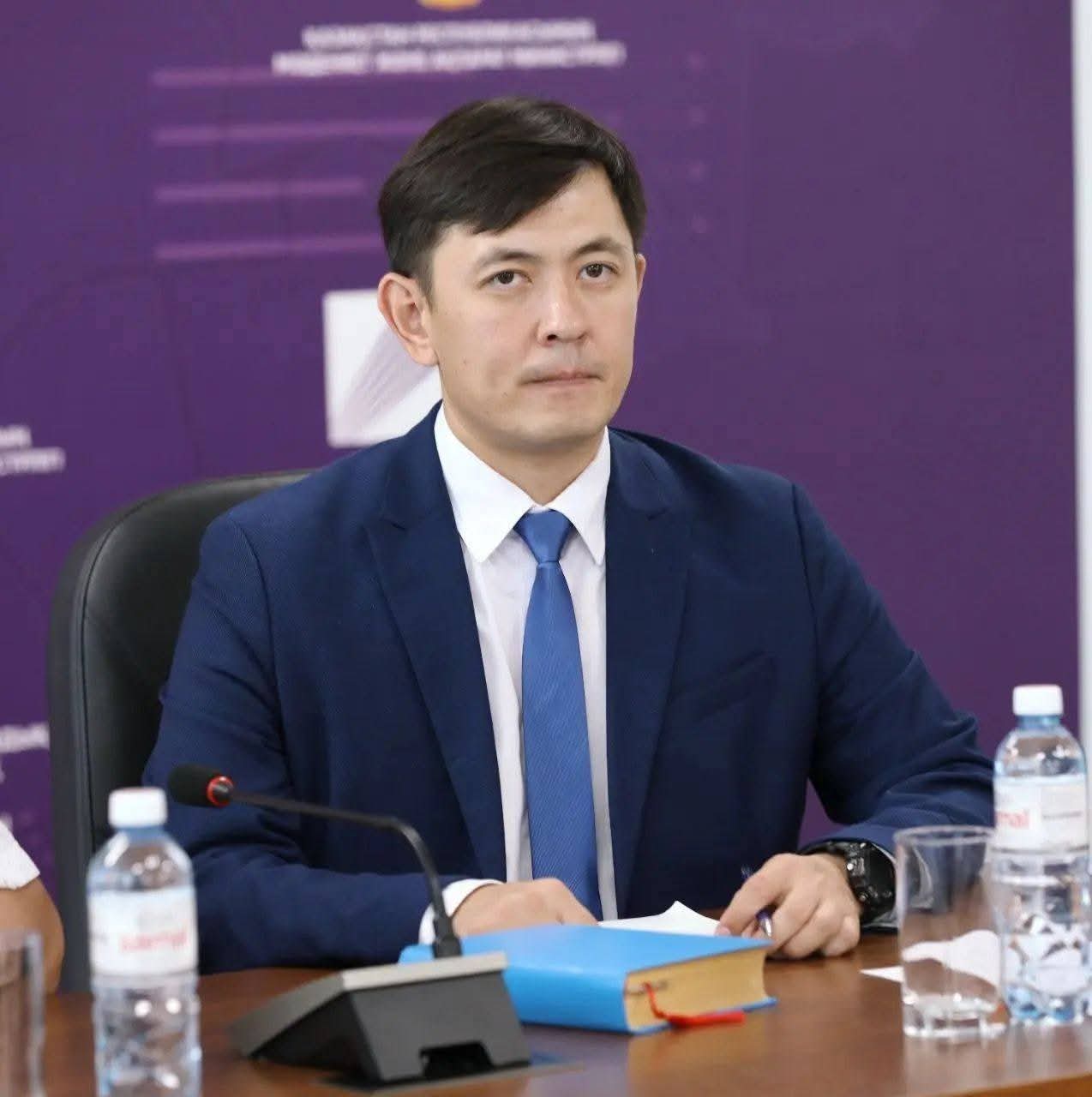
Didar Tebayev. Photo credit: KIPD
The ministry reported these figures during bilateral discussions on transport corridors, port infrastructure and investment cooperation. Kazakhstan also proposed developing a joint infrastructure modernization road map with Iran, aimed at increasing the corridor’s capacity to 20 million tons annually.
Didar Tebayev, a KIPD expert, pointed to Kazakhstan’s railway connections with Turkmenistan, which form part of the eastern branch of the North-South corridor.
According to the Ministry of Transport, railway freight transportation between Kazakhstan and Turkmenistan increased 46% in the first five months of 2026, reaching 1 million tons, while cargo volumes along the China-Kazakhstan-Turkmenistan-Iran route grew 2.5 times.
Tebayev also highlighted the potential for expanding business activity along the corridor, particularly in logistics, manufacturing and higher-value exports.
“These measures will help establish transport, logistics and manufacturing enterprises along the route and facilitate the supply of higher-value goods. The combined effect of joint projects will create new jobs, support small and medium-sized businesses and help build a sustainable, self-sufficient trade and production system,” he said.

Kamila Amurtayeva. Photo credit: KIPD
Tebayev emphasized that businesses also need predictable transportation costs and delivery conditions to take advantage of these trade opportunities.
“Businesses need clear conditions for accessing infrastructure, predictable transportation costs and accountability for delays or cargo safety. Mutual recognition of electronic transport documents and advance data exchanges between customs authorities should also be expanded,” he said.
Infrastructure and the cost of coordination
The growing demand for freight services places attention on how efficiently participating countries can manage cargo across their respective transport networks.
At a forum in Ashgabat on Dec. 12, 2025, Tokayev emphasized the modernization of railway, port and road infrastructure to create a seamless transport system, Tebayev recalled. He noted that the practical challenge is ensuring that border crossings and changes between transport operators do not result in additional delays and unpredictable expenses for businesses.
The Ministry of National Economy has also highlighted efforts to improve coordination among countries along the route. During talks with Iran, officials discussed a forthcoming four-party tariff agreement involving Kazakhstan, Russia, Turkmenistan and Iran, alongside an existing five-party railway agreement involving China, Kazakhstan, Turkmenistan, Iran and Türkiye.
These arrangements address different aspects of corridor development, from freight tariffs to railway cooperation, with their commercial value depending on how effectively participating countries implement them.
Kamila Amurtayeva, an expert consultant at KIPD, emphasized that major transport projects require long-term investment and dependable agreements among the countries involved.
“Transport projects are always designed to last for years. They involve significant investment, infrastructure and commitments from several states. Before investing, partners need to understand how reliable the agreements will be and whether their shared interest will remain in the future,” said Amurtayeva.
She noted that maintaining established partnerships while developing new transport opportunities can strengthen the predictability of Kazakhstan’s economic relationships.
“The ability to expand the range of opportunities while maintaining consistency in partnerships gives foreign policy strategic stability. For Kazakhstan, the more reliable its agreements with partners are, the greater its opportunities to turn its geographical position into a lasting economic advantage,” she said.
