
ASTANA – A United Arab Emirates company has secured a 25-year license to develop the Kenderlyk coal deposit in eastern Kazakhstan, expanding foreign investment in the country’s mining sector.
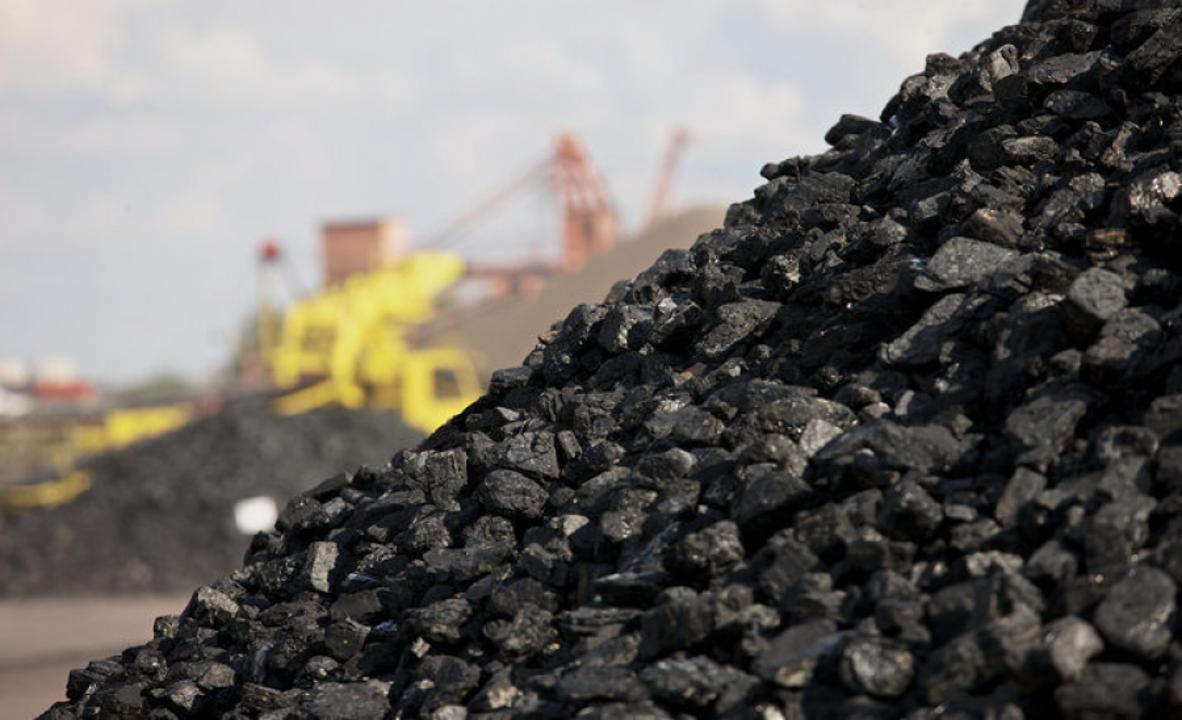
Kazakhstan has awarded a 25-year license to a United Arab Emirates investor to develop the Kenderlyk coal deposit. Photo credit: gov.kz
According to documents released ahead of public hearings in early August, MQ Emirates Group Ltd will develop Coal-Shale Field No. 1 of the Kenderlyk deposit using open-pit mining methods.
Coal production is scheduled to begin in 2028, following geological exploration and preparatory work planned for 2026 and 2027. Initial output is projected at 10,000 metric tons, increasing to the mine’s planned annual capacity of 50,000 metric tons by 2034. Recoverable reserves are estimated at 940,000 metric tons.
The Kenderlyk deposit is located around 70 kilometers from the town of Zaisan in the East Kazakhstan Region. It has been known since the late 19th century, when coal and oil shale were extracted through small surface mines. During the Soviet era, the area underwent extensive geological exploration for coal, shale, and hydrocarbons.
Several years ago, the Kazakh Industry Ministry offered parts of the Kenderlyk deposit for auction. According to the National Geological Service, the broader deposit contains 11.3 million metric tons of coal reserves across three coal-bearing formations. Coal at Field No. 1 has a relatively high ash content of 35% to 40%.
Coal remains key to energy security
Although many countries are accelerating the shift toward renewable energy, coal remains one of the world’s primary sources of electricity. It generates roughly one-third of global power. Demand continues to be driven largely by China and India. According to the Energy Ministry, Kazakhstan ranks 10th globally in proven coal reserves, with an estimated 33.6 billion metric tons, enough to sustain current production levels for more than three centuries.
The country’s largest coal-producing regions include the Karagandy and Turgai coal basins in central Kazakhstan and the Ekibastuz, Maikuben and Karazhyra deposits in the northeast. Kazakhstan exports coal primarily to Russia, Poland, Uzbekistan, Türkiye, India and Malaysia.
To support future growth, the Energy Ministry plans to auction 10 additional coal exploration blocks by the end of the year. The government has also approved the Coal Power Development national project, which includes investment projects with a combined installed capacity of around 7.8 gigawatts.
Investment in the sector continues to rise. Mining companies invested 305 billion tenge (US$654 million) in 2025, while investment is projected to increase to 553 billion tenge (US$1.2 billion) this year.
Kazakhstan is also expanding investment in its broader mining sector. The government plans to develop the Northern Katpar and Upper Kairakty deposits, among the world’s largest undeveloped tungsten reserves, into the country’s first full-cycle tungsten operation.
Highly concentrated market
While Kazakhstan is expanding coal production, a new report from the Agency for the Protection and Development of Competition (APDC) found that the country’s primary wholesale coal market remains highly concentrated.
The agency’s review of the 2024-25 market concluded that the sector continues to be dominated by a small number of producers operating in an essentially unchanged oligopolistic market. For coal supplied to households and municipal utilities, the ERG Group and Karazhyra company controlled a combined market share of 74.8% in 2024 and 67.9% in 2025.
In the power generation segment, Bogatyr Komir and Kazakhmys Coal accounted for 84.1% of the market in 2024 and 81.6% in 2025. For industrial coal, the ERG Group held a market share of 62.3% in 2024, increasing to 69.1% in 2025. The agency said Kazakhstan’s oligopolistic market structure has contributed to sustained price increases.
According to APDC, wholesale prices for coal supplied to households increased 30% to 35% between 2022 and 2025, while thermal coal prices rose approximately 45% over the same period.
To improve competition, the agency proposed introducing price regulation for household and thermal coal, increasing the share of coal sold through commodity exchanges to 52%, and moving off-exchange transactions to digital trading platforms.
The report also identified several structural barriers to competition, including differences in mining contract terms and limited transparency in granting exclusive coal export rights. It further highlighted concerns over the allocation of rail capacity by the national railway operator, Kazakhstan Temir Zholy.
APDC recommended establishing transparent criteria for coal export permits, ensuring equal treatment for producers and improving disclosure of available railway capacity.
The agency also identified companies that qualify as holders of key capacity in the coal market, including Shubarkol Komir, Karazhyra, Bogatyr Komir, Kazakhmys Coal and the Eurasian Energy Corporation. Once these companies are formally recognized as holders of key capacity, they will be required to sell coal under Kazakhstan’s Rules on Equal Access to Key Capacity, which are intended to promote fair competition and equal market access.
