
ALMATY – Kazakhstan’s Central Election Commission (CEC) has approved the calendar for preparations for the Aug. 23 elections to the Kurultai and confirmed that seven political parties will be eligible to participate in the vote.
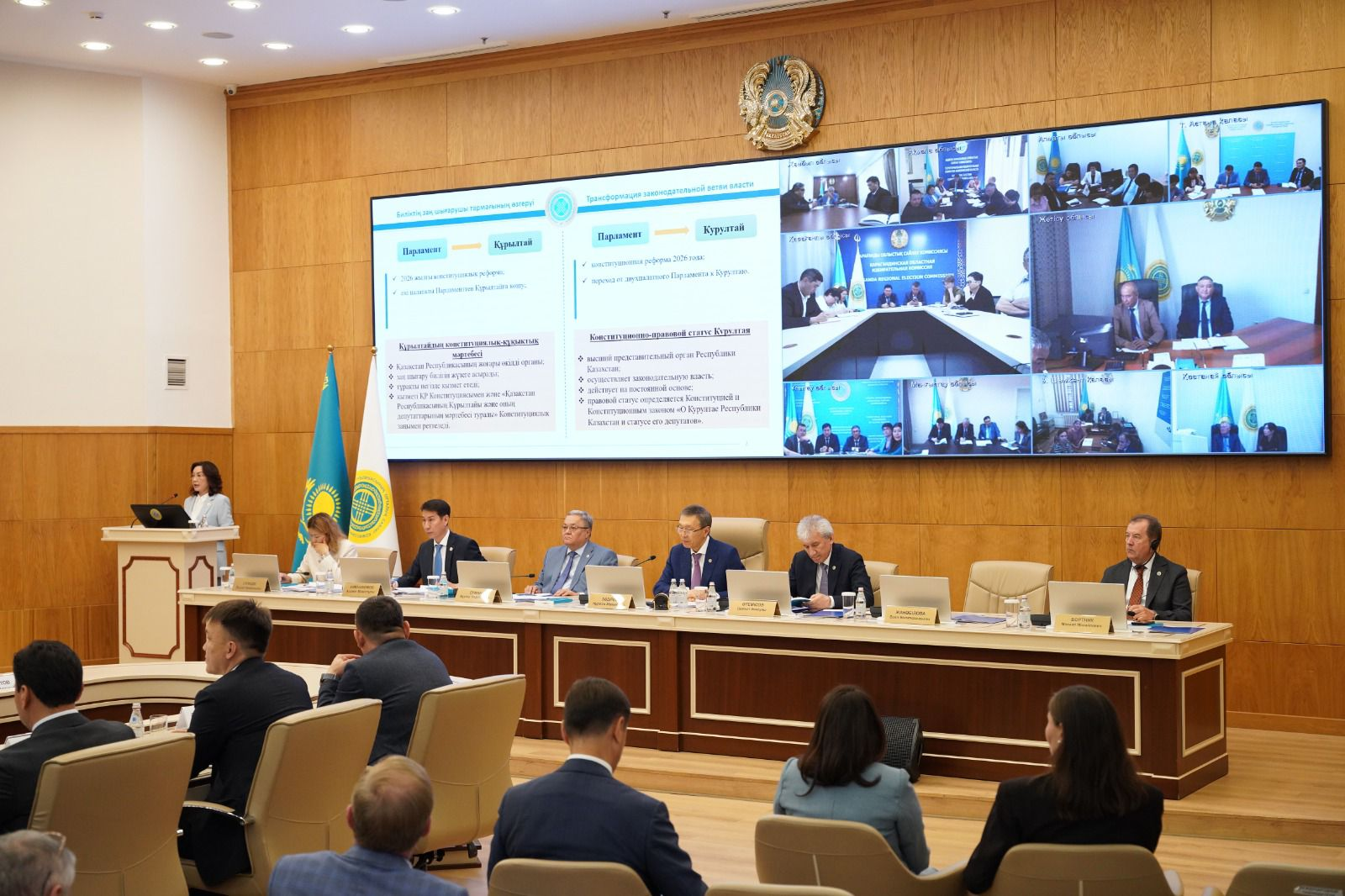
Kazakhstan’s Central Election Commission (CEC) has approved the calendar for preparations for the Aug. 23 elections to the Kurultai. Photo credit: CEC.
The election campaign officially began on July 1 with the presidential decree calling the elections. According to the approved schedule, political parties may nominate their party lists from July 2 to July 13, while the registration of party lists must be completed by July 23.
Election campaigning will run from 6:01 p.m. on July 23 until midnight on Aug. 22, with Aug. 22 designated as the official day of silence before voting takes place on Aug. 23.
Voter lists will be transferred to precinct election commissions by Aug. 2, and voters will be able to verify their information beginning Aug. 7.
Seven parties to contest elections
Seven political parties have been approved to participate in the elections, including the Adilet Party, Auyl Party, Ak Zhol Democratic Party, the Nationwide Social Democratic Party, Baytaq Green Party of Kazakhstan, the People’s Party of Kazakhstan, and the Respublica Party.
CEC Chairman Nurlan Abdirov announced that the ruling AMANAT party has officially declined to participate in the elections.
“The CEC has received an official letter from the AMANAT party stating that it will not participate in the Kurultai deputy elections. The statement has been accepted for processing,” Abdirov said.
Election costs to be covered by government reserve
CEC member Mikhail Bortnik said the elections will be financed from the national budget through local executive authorities. Since the vote was not included in Kazakhstan’s 2026 state budget, funding will be allocated from the government’s reserve fund.
According to Bortnik, nearly 75% of the election budget will be spent on salaries for around 71,000 members of election commissions, a figure comparable to staffing levels during the country’s most recent referendum.
The remaining funds will cover the printing of ballot papers, informational posters and party materials, public information campaigns, transportation and communications services, business travel expenses for election officials, and improvements to the material and technical resources of election commissions. Bortnik noted that the overall cost estimate is still being finalized, and specific budget figures will be announced at a later stage.
