
ASTANA – Kazakhstan’s Constitutional Court hosted a scientific and practical conference on June 30 to mark the entry into force of the country’s new Constitution on July 1, bringing together government officials, legal scholars, judges, international experts and academics to discuss its role in shaping the country’s future development.
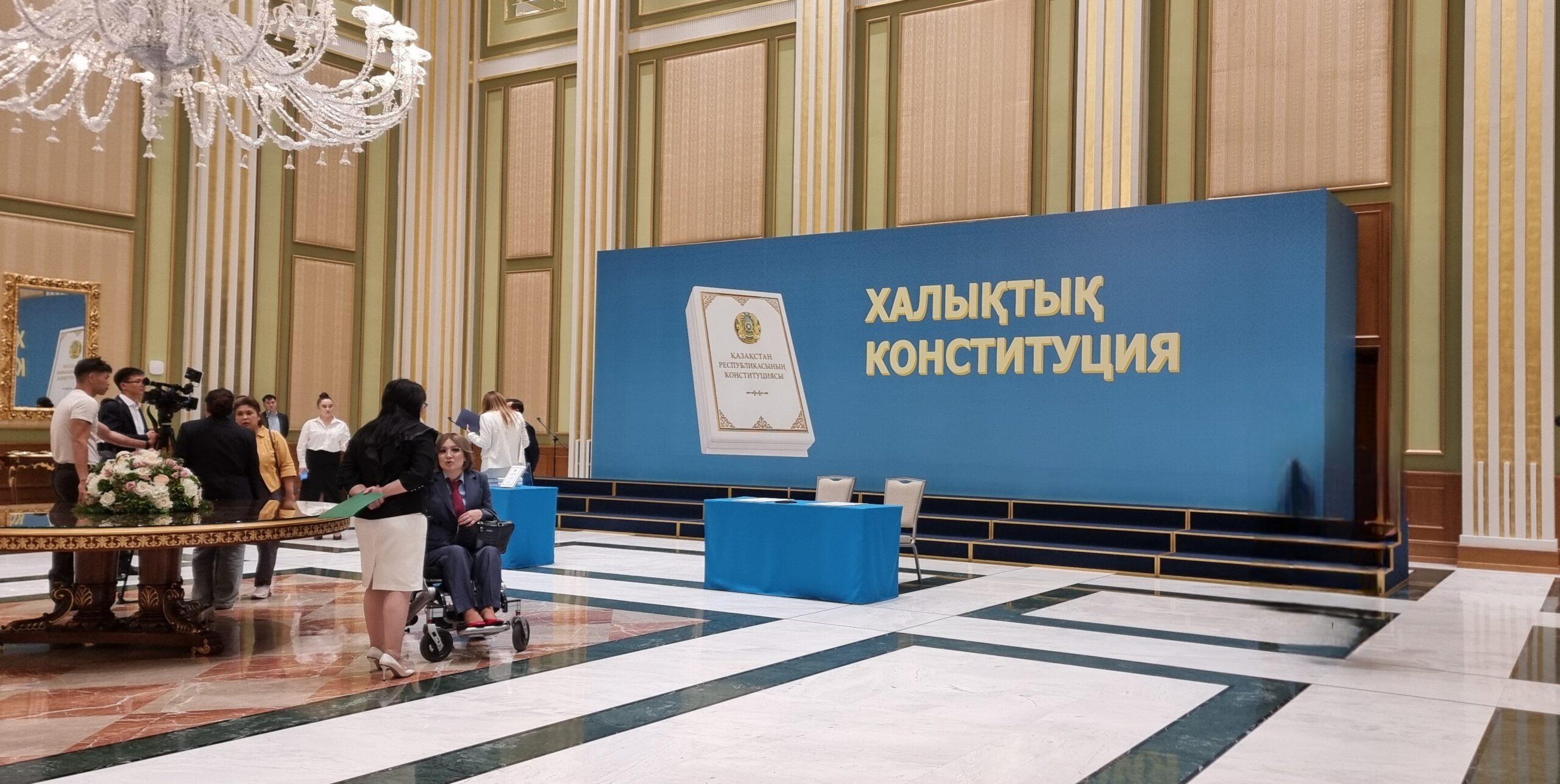
Kazakhstan’s Constitutional Court hosted a scientific and practical conference on June 30 to mark the entry into force of the country’s new Constitution. Photo credit: The Astana Times
More than 150 representatives from government agencies, Parliament, the judiciary, the legal profession, international organizations and leading domestic and foreign universities attended the event.
Opening the conference, Constitutional Court Chair Elvira Azimova said the new Constitution marks a new stage in Kazakhstan’s constitutional development, reflecting the will of the people and setting strategic priorities for governance, legal reform and the protection of human rights.
“With the entry into force of the new Constitution, the Constitutional Court will promote the supremacy of the Constitution and strengthen the protection of constitutional values, marking the beginning of a new historical and legal phase in Kazakhstan’s development,” Azimova said.
From legal document to strategic vision
Muslim Khassenov, a member of the Scientific Advisory Board under the Constitutional Court and associate professor at Maqsut Narikbayev University, said the most significant change is the Constitution’s underlying philosophy.
“The 1995 Constitution was primarily a legal and political document. The new Constitution has become a strategic and values-based document,” Khassenov said.
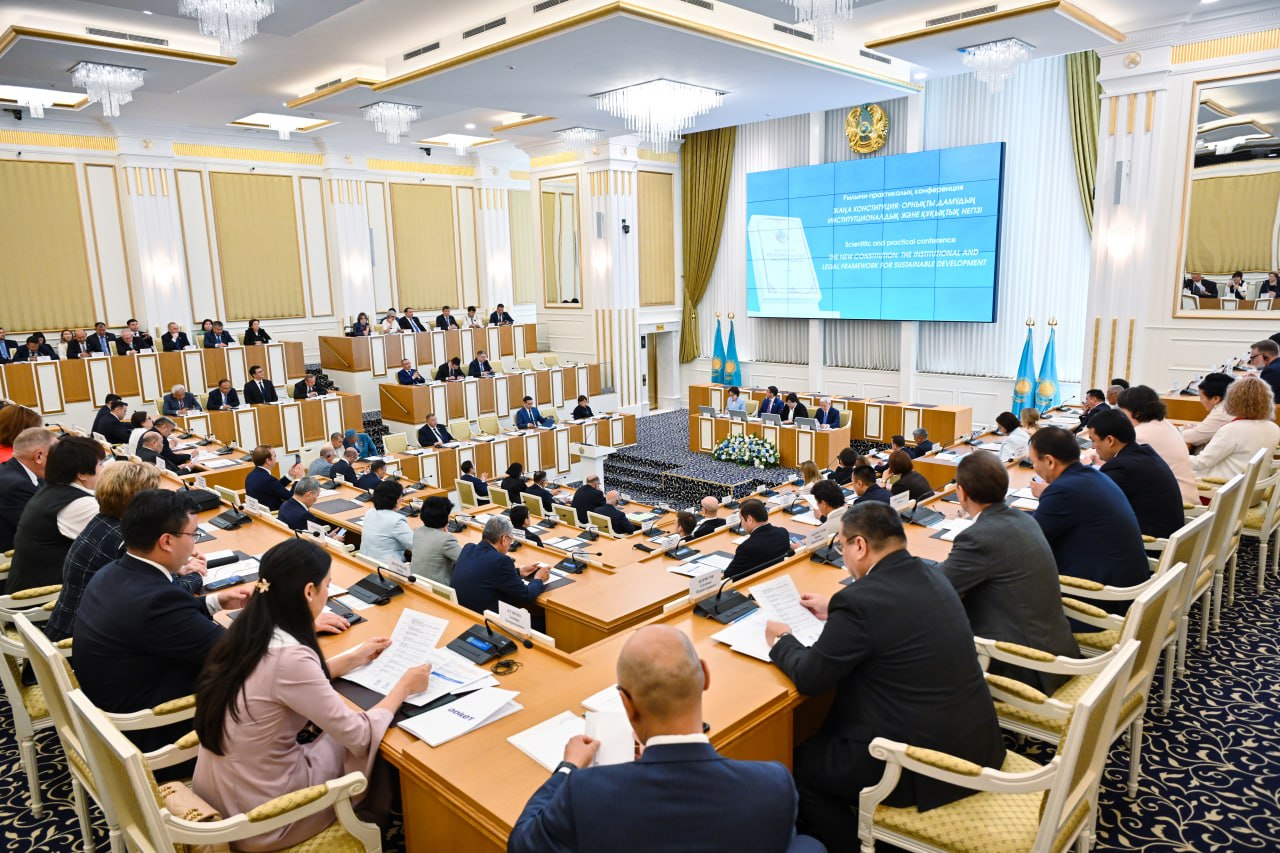
Government officials, legal scholars, judges, international experts and academics participated a scientific and practical conference on June 30. Photo credit: Constitutional Court
According to him, the document places greater emphasis on developing human capital, science, education and innovation while reaffirming Kazakhstan’s national identity.
“The preamble refers to the centuries-old traditions of the Great Steppe and emphasizes the continuity of Kazakh statehood. We are not copying a foreign model. We are building our own constitutional model that reflects our historical roots and traditions of public governance,” he said.
Khassenov also highlighted stronger constitutional guarantees for human rights.
“The Constitution now recognizes not only the freedom to work but the right to work itself, placing greater responsibility on the state to create conditions for its realization,” he said.
He noted that the new Constitution also introduces constitutional protections for digital rights and intellectual property while incorporating the Miranda rule as a legal safeguard during criminal proceedings.
He added that another major innovation is strengthening the role of citizens in constitutional change.
“The Constitution can now be amended only through a national referendum. Even the Parliament no longer has the authority to amend it. This gives the people of Kazakhstan full constitutional subjectivity and marks a fundamentally new stage in our constitutional history,” Khassenov said.
Expanding rights and inclusion
Lyazzat Kaltayeva, member of the Constitutional Commission and newly elected member of the UN Committee on the Rights of Persons with Disabilities, noted that the Constitution places individuals and their rights at the center of state policy.
“The person, their rights and freedoms have become the Constitution’s highest value. This creates new opportunities to strengthen policies protecting the rights of persons with disabilities, particularly in access to justice, information, services and infrastructure,” Kaltayeva told The Astana Times.
She said the constitutional changes will also promote greater participation of people with disabilities in decision-making processes.
Kaltayeva described her recent election to the UN Committee as international recognition of Kazakhstan’s progress in promoting inclusion and protecting the rights of persons with disabilities.
Investing in knowledge and innovation
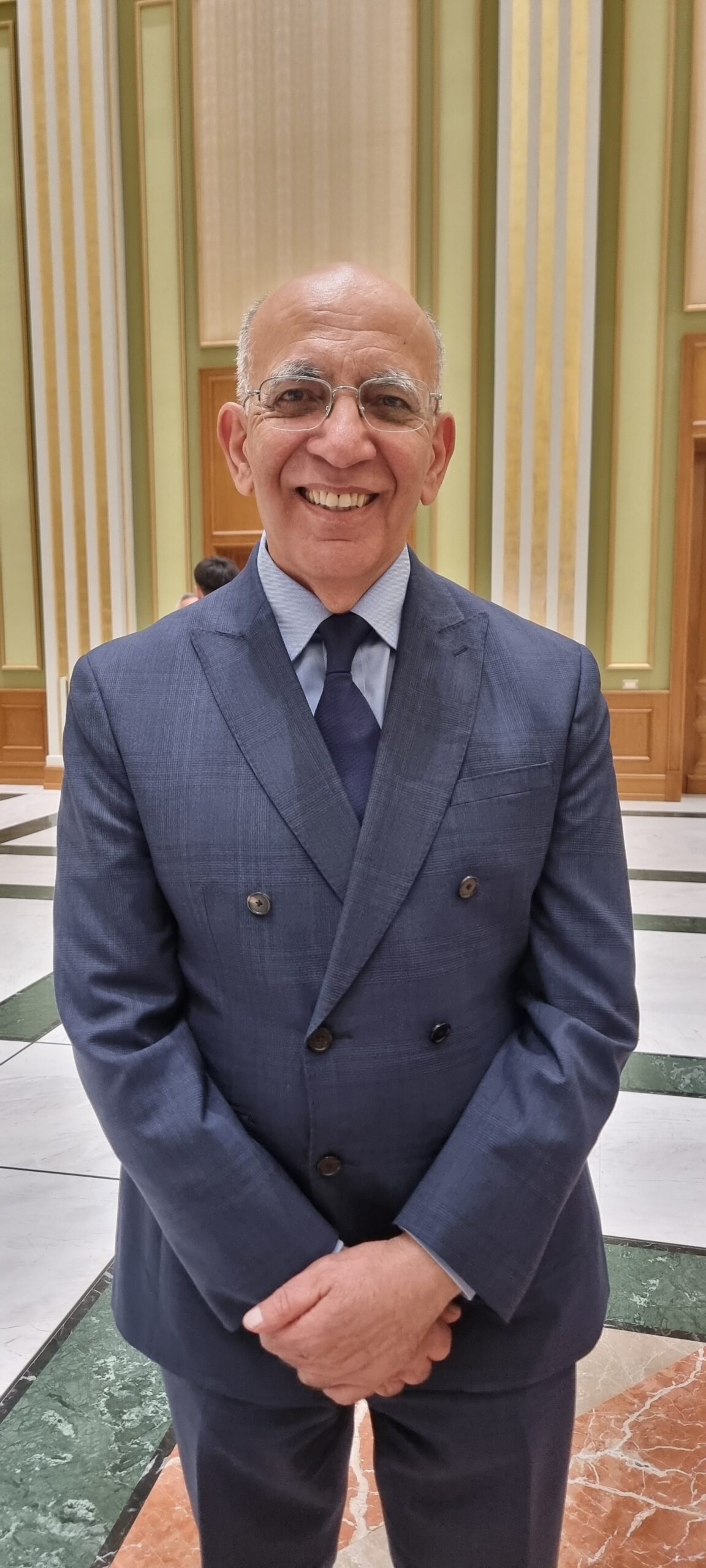
Dr. Waqar Ahmad, president of Nazarbayev University. Photo credit: The Astana Times
Dr. Waqar Ahmad, president of Nazarbayev University, said the Constitution recognizes education, science and innovation as essential drivers of the country’s long-term development.
“The Constitution makes it clear that the development of human capital, science, knowledge creation and innovation lies at the center of Kazakhstan’s future. Universities therefore have a central role in achieving those ambitions,” he told The Astana Times.
Drawing parallels with Singapore’s development, Ahmad emphasized that sustained investment is essential.
“Scientific research is a long-term endeavor. Building research teams, infrastructure and innovation ecosystems requires stable and consistent funding over many years. Governments must commit to supporting universities and research in the medium and long term,” he said.
The participants also discussed improving legislation, strengthening the rule of law, expanding access to justice, protecting digital rights and promoting legal culture.
The conference featured the presentation of the first Braille edition of Kazakhstan’s Constitution, followed by a commemorative stamp cancellation ceremony marking the Constitution’s entry into force.
You can read about the main constitutional changes in this special article by The Astana Times.
