
Kazakhstan’s hosting of the informal summit of the Organization of Turkic States (OTS) in Turkistan signalled that Kazakhstan is not only a committed member of the Turkic family, but also a natural convener of its shared strategic agenda. By bringing the leaders of brotherly states together in Turkistan – the spiritual capital of the Turkic world – Kazakhstan underscored the unity of historical memory, civilizational continuity, and forward-looking cooperation.
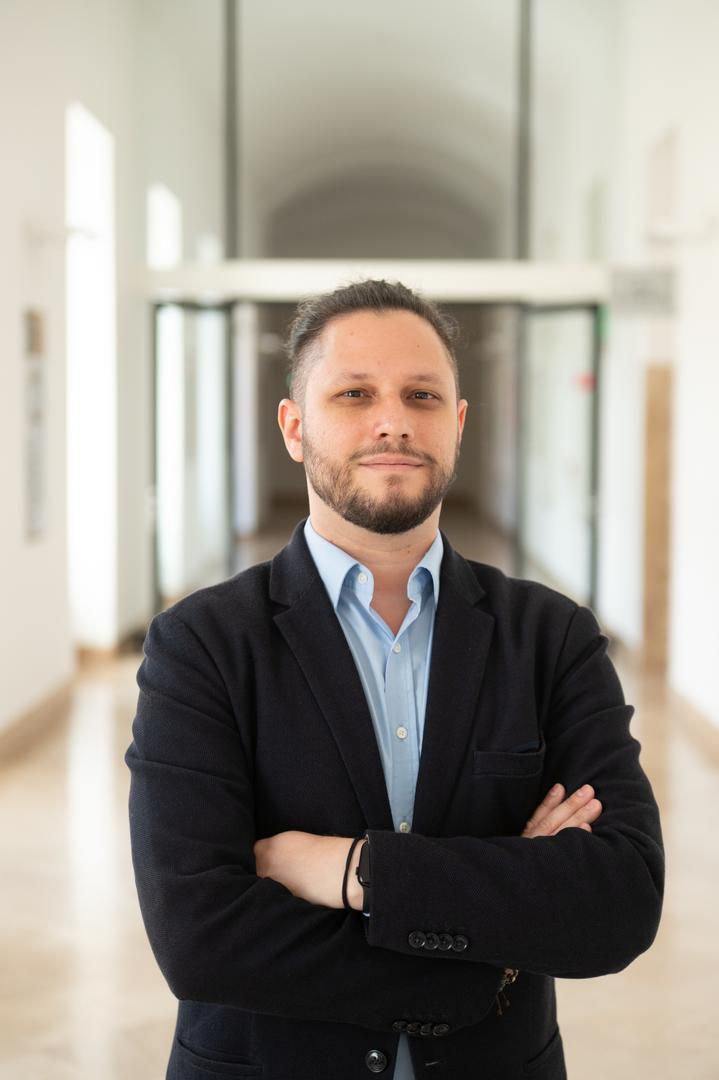
Dávid Biró.
The summit’s themes on artificial intelligence and digital development reflected the evolving priorities of the Turkic world. Technological transformation is no longer an auxiliary issue, but a core condition of national competitiveness, economic resilience, and regional relevance.
From a Kazakh perspective, the summit was important not only for its symbolic value but also for the practical initiatives it advanced. President Kassym-Jomart Tokayev’s proposals including a network of AI centers across Turkic states, a joint Turkic IT hub, mutual recognition of electronic documents and digital signatures, and a platform for preserving Turkic history and culture with the help of artificial intelligence, point to an agenda that is both ambitious and implementable. These initiatives align with Kazakhstan’s broader objective of turning Turkic cooperation into concrete results in trade, innovation, education, and digital connectivity.
The proposal to establish an AI university, provide grants for students from Turkic states, and organize annual scientific and technological olympiads will contribute to a durable ecosystem of talent, research, and innovation across the region. The idea of a common terminological commission and a multilingual digital platform for Turkic civilization reflects a broader understanding: in the age of AI, cultural cohesion and linguistic harmonization are not peripheral concerns, but strategic assets.
The Turkistan Declaration gives political weight to this direction. Its emphasis on digital transformation, connectivity, institutional cooperation, and the preservation of Turkic heritage demonstrates that the summit is maturing into a platform capable of combining identity with innovation. For Kazakhstan, this is especially significant because it supports a balanced vision of Turkic cooperation: one that is grounded in shared history, but oriented toward economic modernization, technological sovereignty, and regional stability.
The Turkistan summit strengthened Kazakhstan’s image as a responsible regional actor that can combine civilizational leadership with pragmatic diplomacy. By hosting the meeting, proposing actionable initiatives, and anchoring the discussion in both the spiritual and technological dimensions of Turkic unity, Kazakhstan helped shape an OTS agenda that is more concrete, more modern, and more relevant to the challenges of today. The summit in Turkistan showed that the Turkic world can preserve its roots while building a shared digital future
The author is Dávid Biró, a senior advisor, research and academic network lead of the Ludovika Center for Turkic Studies, Budapest, Hungary.
Disclaimer: The views and opinions expressed in this article are those of the author and do not necessarily reflect the position of The Astana Times.
