
ASTANA – The government has approved the Children of Kazakhstan program on Jan. 27, aimed at consolidating and systematizing existing mechanisms to protect children’s rights across key sectors.

Photo credit: Shutterstock
The five-year program was developed by the Ministry of Education, the Commissioner for Children’s Rights, and relevant ministries. It aims to improve the consistency and effectiveness of measures to protect children’s rights.
“The program strengthens interagency cooperation and creates a unified vision for state policy in the interests of children in the coming years,” State Counselor Erlan Karin wrote in his Telegram channel, adding that it aligns with several United Nations Sustainable Development Goals.
It sets ten indicators to assess effectiveness and includes 158 measures to improve legal protection, safety and social support for children. Total funding is estimated at 1.3 trillion tenge ($2.5 billion).
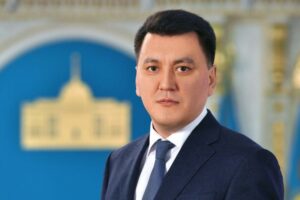
State Counselor Erlan Karin. Photo credit: Akorda.
The document covers four key areas: child safety, education, health, and the right to family and social protection. According to the latest figures, Kazakhstan had around seven million children in 2025, accounting for 34% of the population. Over the past decade, the number of children has increased by 1.5 million.
The nation has introduced several initiatives to improve children’s well-being, including the National Fund for Children program, which allocates 50% of the annual investment income of the National Fund to accounts for all children under 18. The funds can be used for education and housing improvements.
Around 120 social projects have been implemented through the Qazaqstan Halqyna Fund (to the People of Kazakhstan). Secondary education remains free. Primary school students receive free hot meals, and students in grades 1-11 receive free textbooks. A social support system offering 49 types of assistance is also in place. Through the general education support fund, 25 billion tenge ($49 million) in assistance has been provided.
Kazakhstan has also adopted ten laws aimed at strengthening the protection of children’s rights. The legislation establishes mechanisms to protect children from risks to their lives, health, and psychological well-being.
Twenty psychological support centers currently operate nationwide. Safety lessons have been introduced in all schools, and the 111 contact center is in operation.
Under the program, schools plan to introduce a dedicated psychologist hour and open 40 support rooms for children affected by violence. Officials say the measures are intended to ensure every child grows up in a safe environment.
The action plan includes steps to protect children’s health, expand child-focused infrastructure, introduce digital child support pathways and ensure online safety. The development of the legal framework for children’s rights is also planned.
“Overall, the program is a comprehensive, long-term policy document that forms the foundation of state policy on protecting children’s rights and ensuring the well-being of the younger generation,” Karin wrote.
UNICEF backs child reforms
UNICEF welcomed the adoption of the national program, noting its focus on family support, positive parenting, children’s digital safety and the development of child-centered infrastructure. This includes the construction of new medical and rehabilitation facilities and the expansion of inclusive, child-friendly services.
“UNICEF served as a key strategic partner of the government in developing the program, ensuring the integration of international standards under the Convention on the Rights of the Child, U.N. global strategies and international best practices into national policy,” the organization said in a statement.
The organization also supported the development of early identification and case management systems for children and families, digital child protection solutions, expanded social and psychological services and strengthened professional capacity in child protection. The organization relied on global evidence-based practices, Multiple Indicator Cluster Surveys (MICS) data and analytical research.
The program is expected to contribute to achieving the SDGs, including SDG 3 (Good Health and Well-Being), SDG 4 (Quality Education) and SDG 10 (Reduced Inequalities), and to strengthen Kazakhstan’s national child protection system.
