
ALMATY – Nearly 19,000 people in Kazakhstan bear the name Abai, according to the Bureau of National Statistics, as the country marks Abai Day on Aug. 10, commemorating the 181st anniversary of the birth of Abai Kunanbayev, who was born in 1845. The figures highlight how the name of the country’s renowned poet, philosopher and thinker continues to resonate across generations.
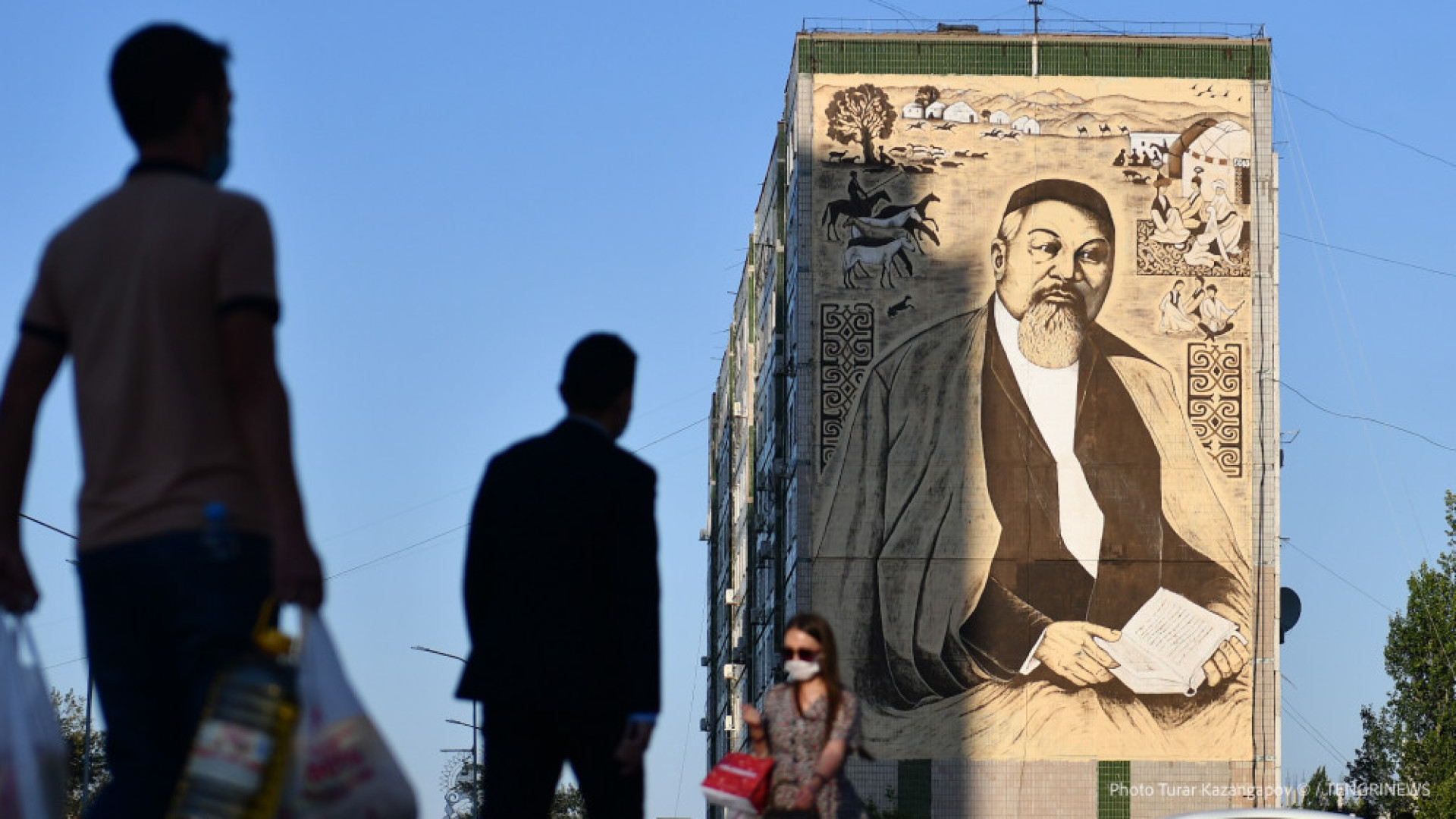
Photo credit: Tengrinews
A total of 18,961 people in Kazakhstan are named Abai. The largest number live in Astana, with 2,186 people, followed by the Turkistan Region with 2,008 and Almaty with 1,740.
The name remains in use among younger generations. During the first half of 2026 alone, 91 newborns were given the name Abai. Although traditionally regarded as a male name, national statistics also record nine women named Abai.
The oldest Kazakhstan resident with the name was born in 1932, while the largest age group is people aged 30–34, numbering 3,267. The name is also reflected in Kazakhstan’s geography. One region, one city, three districts and 26 villages are named after Abai.
Abai’s legacy in national identity
President Kassym-Jomart Tokayev, in his message marking Abai Day, described the poet’s intellectual and creative heritage as an important part of Kazakhstan’s cultural legacy. He also linked Abai’s ideas about knowledge, diligence, responsibility and unity to contemporary efforts to strengthen social values and national identity.
Abai’s influence has also extended beyond the country’s borders. Monuments dedicated to the poet have been erected in more than 20 cities, including Beijing, Budapest, Istanbul, Moscow, Tashkent, Baku, Tehran and Vitebsk.
In 2016, monuments were unveiled in Cairo and Rennes, France, further expanding the international presence of the Kazakh thinker. In 2021, President Tokayev took part in the opening of a 2.2-metre monument to Abai in Seoul during his official visit to South Korea.
Abai’s international recognition also has a longer history. UNESCO declared 1995 the Year of Abai to mark the 150th anniversary of his birth, placing his literary and philosophical legacy within a broader international cultural context.
For Kazakhstan, the continued spread of the name Abai, from newborn children to towns and cities and monuments abroad, reflects how a historical figure has become part of both the country’s cultural memory and its contemporary identity.
