
I still remember a boy who fell on the asphalt when I was in primary school. Before the teacher reached him, someone lifted him and told him the phrase that so many Kazakh boys hear: “Don’t cry. Be a man.” The tears stopped, and the lesson was clear. Pain was allowed, but emotion was not.
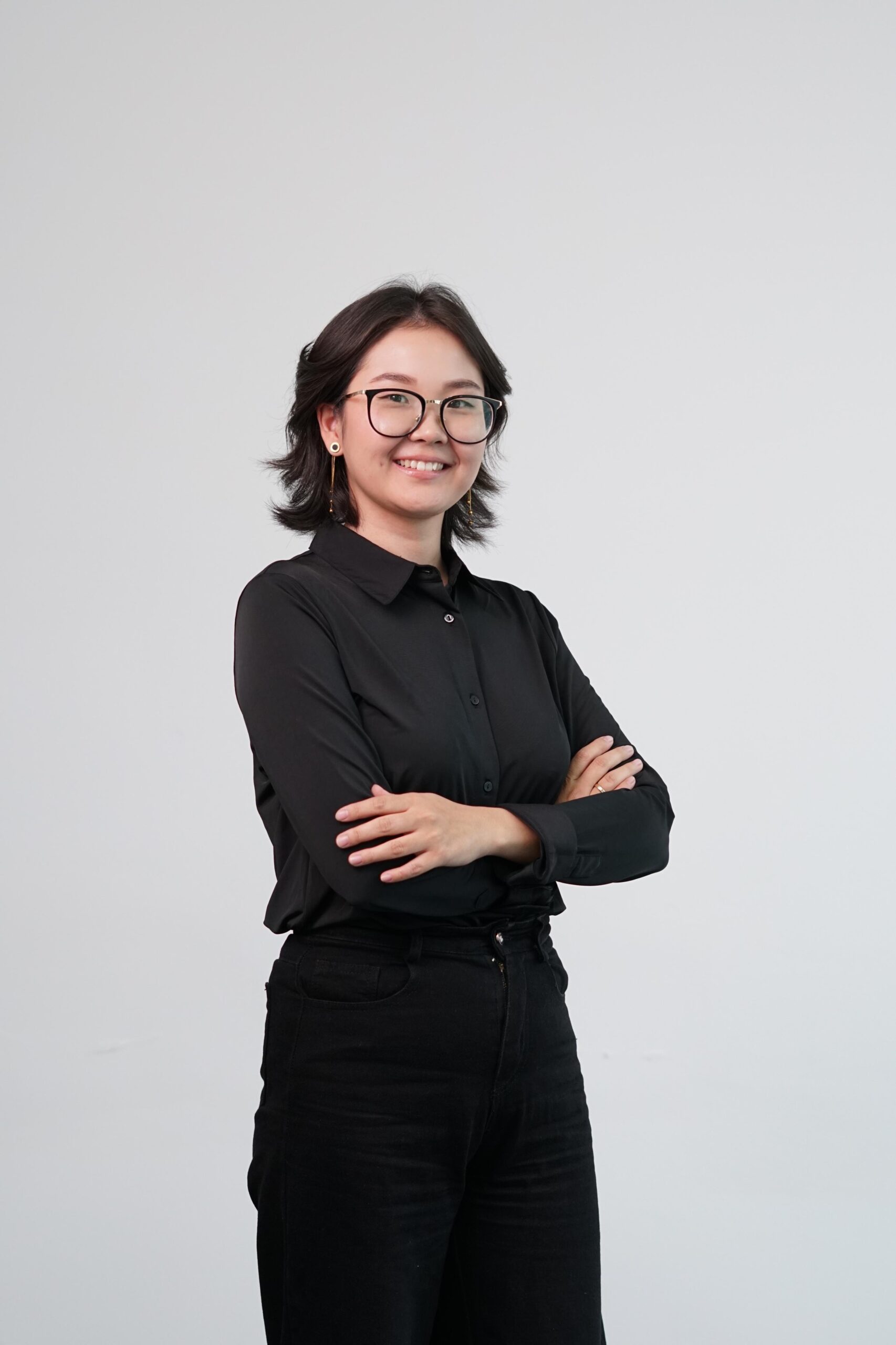
Kalamkas Sagadiyeva.
That moment reflects the inside of a larger story about gender in Kazakhstan. In many families, men are expected to be “the head of the family,” when women often step back from work after childbirth and do the most domestic responsibilities. If their marriage becomes abusive, financial dependence and expectations of loyalty can trap a woman in place. These are real burdens of women in Kazakhstan, and they are finally getting the attention they deserve now.
However, this culture that openly limits women also silently limits men. From early childhood, boys are told to be strong, not to complain, and not to show if they fear. They are always expected to provide, to stay in control and cope with problems on their own. From the outside, this looks like privilege. But underneath, it is a very narrow, unforgiving role that harms and hurts men, and, eventually, all the people around them.
We can see this in our everyday life. A man who lost his job and never told his wife about it, continues to “go to work” each morning, secretly searching for something new and drowning his panic with betting apps at night. He doesn’t call it anxiety or a problem. He strongly believes that silence is part of his duty.
Statistics clearly reflect all of these stories. Men in Kazakhstan are far more likely to commit suicide, especially in young and middle age. Gambling and betting apps have become a common escape for young men; families often find out about the debts only when money and half of the possessions are gone, or relationships and families begin to fall apart. When society equates strength with silence and seeking help is treated as weakness, pressure does not disappear. It turns into addiction, anger or despair.
This is where women’s suffering and men’s suffering quietly meet each other. A man who believes he must never show weakness will never admit when he is overwhelmed or in debt. A husband taught to “keep everything inside” may express his fear as irritation and humiliation as contempt, unfortunately. A father who was never allowed to cry will not be able to comfort a child who is afraid or hurt. The ideal of the strong, unshakeable provider can end up hurting all the people it is meant to protect initially.
Seeing and understanding men’s emotional struggles will never weaken the fight for women’s rights; on the contrary, it strengthens it a lot. The problem here is not who suffers more, but how this rigid masculinity creates unspoken and unseen harm for everyone. A man with basic emotional skills is less likely to direct stress to people around as aggression or to inside himself as self-destruction. Emotional intelligence is not about softness and being weak; it is about stability and being strong. It is definitely not the opposite of responsibility, but it’s what makes responsibility sustainable.
So, how could we raise boys differently, and what would it look like?
The very first step is treating emotional skills as a basic and normal education. In schools, together with maths and languages, children can learn simple words for pointing out what they feel and also how to respond when others are upset or have different negative emotions. This does not mean turning classrooms into some kind of therapy session. This means making “I am scared” or “I need help” sound ordinary and not feeling ashamed for using them.
Another important step is changing the way we speak at home. When a child falls, we can help him up without mocking his tears and hiding their pain inside. When a teenager is anxious about exams or his future, we can invite him to talk openly instead of repeating “You must be strong.” Small shifts repeated over years shape what boys believe they are allowed to feel.
And lastly, I believe that role models matter. Many men never learn by reading about mental health or emotional intelligence, but they watch and learn from other men they respect. When fathers, teachers or public figures speak openly about those times they have struggled and looked for support, they show that vulnerability does not destroy their masculinity, but matures it.
The heart of this argument is that emotional intelligence doesn’t make boys less of a Man. But it makes them more capable to carry the real responsibility without breaking and disappearing at the end. The boy from my primary school whom I mentioned at the beginning, learned to swallow his tears. And our task now is to show our next generation that strength and feelings can coexist in the same person, and that a man who understands both of them is stronger not only for himself, but also for his family, and for the society he helps to build.
The author is Kalamkas Sagadiyeva, a graduate student of the Nazarbayev University Graduate School of Public Policy.
Disclaimer: The views and opinions expressed in this article are those of the author and do not necessarily reflect the position of The Astana Times.
