
ASTANA – From the flowering meadows of the Altai Mountains to the vast southern steppes, beekeeping has long been woven into Kazakhstan’s agricultural heritage. Today, as global demand for natural and organic products grows, Kazakh honey is attracting increasing attention from international consumers and helping the country strengthen its position in the market.
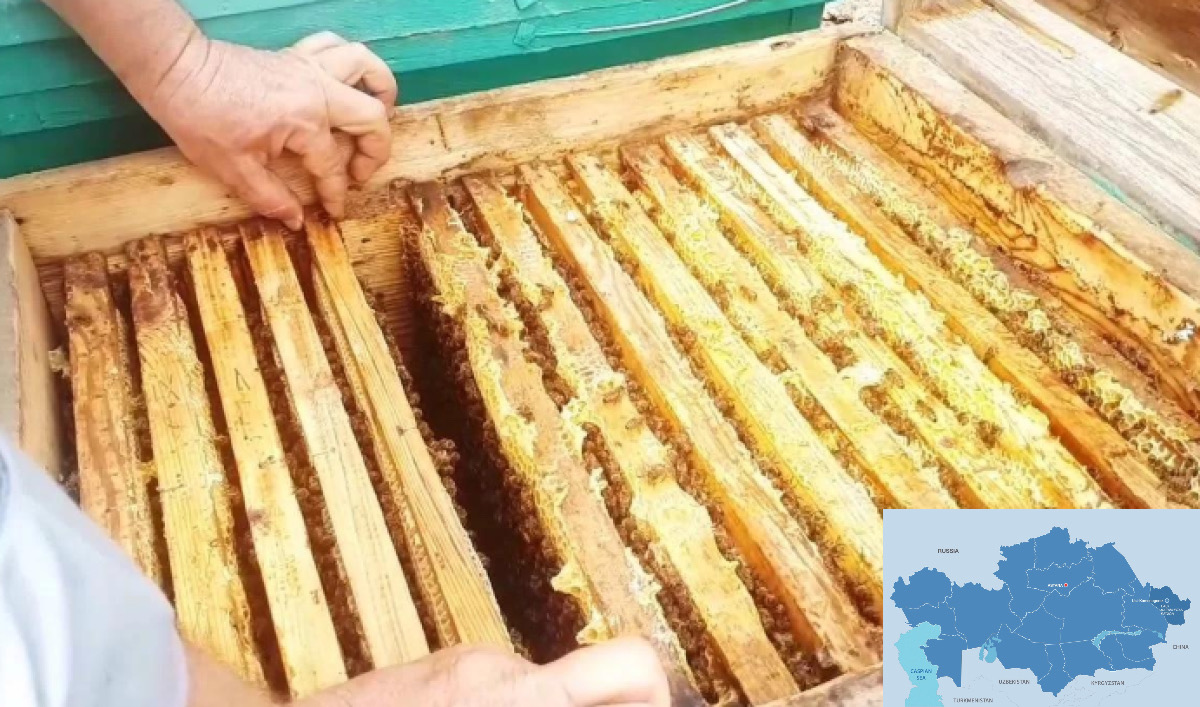
Photo credit: gov.kz Click to see the map in full size. The map is designed by The Astana Times.
Beekeeping is among the world’s oldest agricultural practices, and Kazakhstan’s honey is widely regarded as one of the country’s most valuable natural products. The history of organized beekeeping in Kazakhstan dates back nearly 200 years. The first bee colonies were brought from Bashkortostan in 1786 and settled near present-day Oskemen in eastern Kazakhstan. By the mid-19th century, beekeeping had spread to other regions, including Almaty.

Yeldos Omirzak, an experienced beekeeper from the Almaty Region. Photo credit: Omirzak’s personal archieve
Today, Kazakhstan produces approximately 5,000 tons of honey annually. According to the Ministry of Agriculture, the country exported 1,477 tons of honey worth $1.57 million in 2025, up from 603.7 tons valued at $824,100 in 2024. Export volumes more than doubled in a single year, highlighting growing international demand for Kazakh honey.
Uzbekistan remained the dominant market, receiving 1,264 tons, or 85.6% of total exports. Other destinations included Russia, China, the United States, Saudi Arabia and Canada, while Oman imported Kazakh honey for the first time.
According to Yeldos Omirzak, an experienced beekeeper from the Almaty Region, Kazakhstan’s unique geography gives the country a competitive advantage in honey production.
“Each country has its own unique flowers and trees, which influence the taste and properties of honey. Kazakhstan is fortunate because it has diverse climatic zones that allow us to produce many varieties of honey,” Omirzak told The Astana Times.
Among the most distinctive varieties is zhantak honey, produced from the nectar of camel thorn plants that grow in southern Kazakhstan. He recounted a story often shared among Kazakh beekeepers linking it to the work of French oceanographer Jacques-Yves Cousteau. According to him, Cousteau once commissioned nutritional research to identify foods that could support deep-sea divers during extended underwater expeditions. The study reportedly recommended zhantak honey because of its nutritional properties.
“Kazakh zhantak honey was purchased for divers, and many beekeepers believe it helped improve their endurance underwater,” Omirzak said.
He described Kazakhstan as being in a “golden middle” geographically, benefiting from favorable climatic conditions that support strong honey production.
“We have both warm southern regions and cooler northern areas. This diversity creates ideal conditions for beekeeping. Many countries either have harsher climates or more intensive agricultural practices that affect honey production,” he said.
He also highlighted growing interest from Chinese consumers, particularly in Altai honey. Specialized tours for Chinese visitors now include visits to apiaries in the East Kazakhstan Region, where tourists can sample honey directly from producers.
Natural production as a competitive advantage
Omirzak attributes much of Kazakhstan’s reputation to the country’s relatively low use of genetically modified crops and intensive agricultural chemicals.
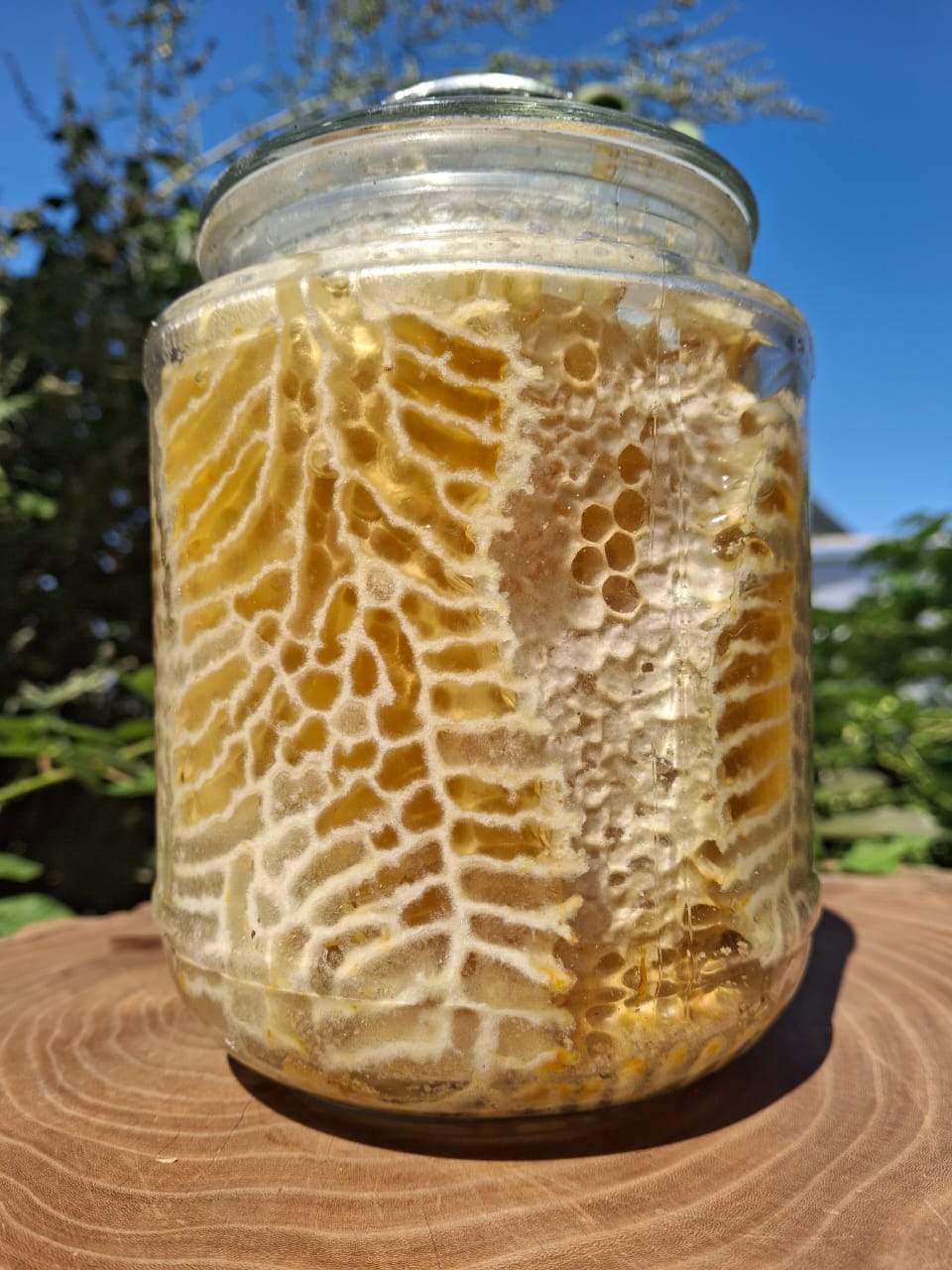
Photo credit: Omirzak’s personal archieve
While concerns about declining bee populations have become widespread in Europe and North America, he said Kazakhstan’s beekeeping industry benefits from more natural farming practices.
“Our plants remain largely natural, and many farmers still rely on natural fertilizers. This creates healthier conditions for bees and contributes to the quality of our honey,” he said.
He stressed that healthier bee colonies and less reliance on artificial feeding methods help produce a more authentic product. Unlike some producers abroad, many Kazakh beekeepers leave a significant portion of honey in hives for bees to consume naturally during winter rather than replacing it with sugar syrup.
According to Omirzak, this approach strengthens bee immunity and reduces the need for chemical treatments.
Altai honey’s growing reputation
Among Kazakhstan’s most famous products is Altai honey, harvested in the country’s eastern mountain regions.
The area is known for its rich biodiversity and relatively untouched natural environment. Different varieties include forest wildflower honey, meadow honey, mountain honey, buckwheat honey, sweet clover honey and honeycomb honey.
Omirzak particularly highlighted angelica honey, produced from a plant that grows naturally in the Altai region.
“It is highly valued, especially by people concerned about respiratory health,” he said.
Another popular variety is sweet clover honey, which enjoys strong demand in Gulf countries, among other international markets.
Buckwheat honey, known for its dark color and rich flavor, is particularly popular among consumers in western Kazakhstan.
The sweet paradox of Kazakh honey
According to Omirzak, despite record export volumes, Kazakhstan’s honey industry faces a challenge familiar to many agricultural exporters: low prices.
The average export price fell from around $1.36 per kilogram in 2024 to $1.06 per kilogram in 2025. As a result, export volumes increased 2.4 times while revenue grew only 1.9 times.
By comparison, natural honey on international markets typically sells for between $3 and $15 per kilogram depending on quality, packaging and destination market.
Omirzak noted that improving branding, certification and access to premium markets could help Kazakhstan capture more value from its growing honey exports.
He believes future growth opportunities lie primarily in densely populated markets such as China, India, Türkiye and Arab countries. Europe, however, may present additional challenges.
“Europeans have established supply chains and often prefer cream honey, which is less common in Kazakhstan. Our consumers traditionally favor natural honey in its original form,” he said.
Omirzak also shared several tips for consumers looking to purchase high-quality natural honey and avoid counterfeit products.
According to him, genuine honey should crystallize naturally over time, meaning that most varieties sold in the middle of winter should no longer be liquid. Honey that remains unusually runny during the colder months may have been diluted or processed.
He also recommends observing the texture of honey. Natural honey should flow slowly and evenly from a spoon or wooden spatula, while its surface should remain smooth and free of bubbles. The presence of bubbles may indicate fermentation caused by excessive moisture.
Omirzak cautioned consumers against relying on color alone when assessing quality, noting that honey can vary widely in appearance depending on the flowers from which it is produced. Instead, he said buyers should pay close attention to aroma.
“A rich, natural fragrance is one of the strongest indicators of genuine honey,” he said.
According to Omirzak, international visitors are often surprised by the taste and quality of Kazakh honey.
“When foreigners try our honey for the first time, their reaction says it all. You can see it in their eyes and in their smile. For me, that reaction speaks louder than any compliment,” he said.
