
The Astana Times continues its weekly roundup of key developments in campaigning for Kazakhstan’s Kurultai elections scheduled for Aug. 23. This edition highlights candidates’ policy proposals.
ASTANA – With campaigning underway for Kazakhstan’s Kurultai elections, seven political parties have unveiled programs outlining their priorities for the next parliamentary term. While their agendas overlap on issues such as economic growth, healthcare and governance, each party emphasizes distinct policy goals and ideological approaches.
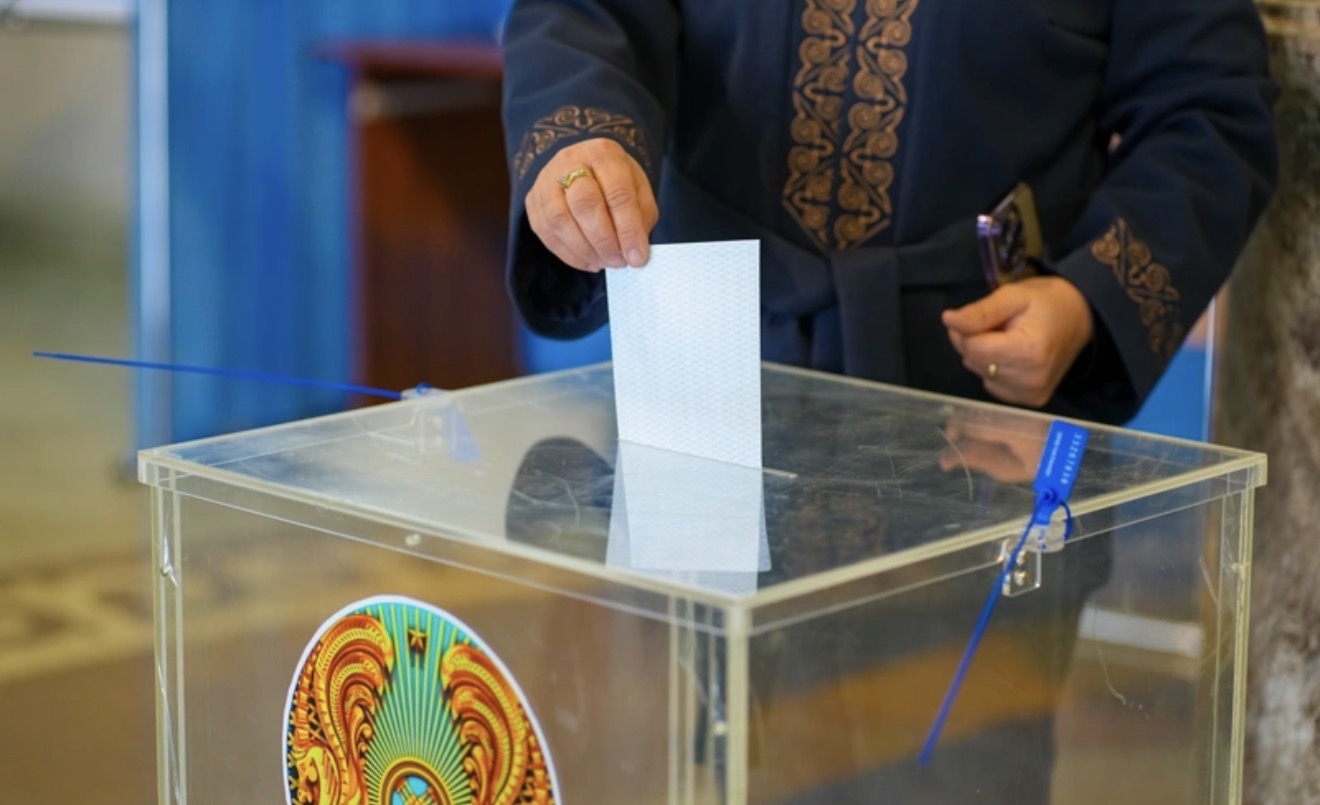
Photo credit: Maksat Shagyrbaev/ Kazinform
The Adilet Party
The Adilet party has unveiled its election platform, which outlines seven strategic goals and 10 policy priorities through 2031. It emphasizes measurable results over political declarations, with priorities including expanding housing, improving healthcare, creating one million formal jobs and increasing the share of medium-sized businesses in the economy.
Housing and social welfare feature prominently in the platform. Adilet, which recently merged with Amanat party, aims to increase average housing space from 25 to 30 square meters per person, relocate approximately 30,000 residents from unsafe housing and complete 37 unfinished shared-equity housing projects. In healthcare, the party seeks to raise life expectancy above 77 years, shift the medical system toward preventive care and reduce mortality from cardiovascular diseases by at least 5%.
Infrastructure modernization is another major pillar. The party plans to bring 95% of local roads up to national standards, provide 97% of rural residents with high-speed internet and invest 13 trillion tenge (US$27 billion) in upgrading 86,000 kilometers of utility networks to reduce infrastructure deterioration to 40% by 2030.
A major focus is digital transformation, including AI training for at least five million Kazakhs and integrating AI into school and university curricula. The platform also calls for stricter fiscal discipline by limiting withdrawals from the National Fund to major infrastructure projects approved by the president.
The Aq Jol Democratic Party
The Aq Jol Democratic Party has presented its platform, highlighting democratic governance, market reforms and stronger parliamentary institutions.
The party calls for expanding the Kurultai’s oversight powers, including the authority to conduct parliamentary investigations and exercise greater control over state finances. It also proposes forming a coalition government that includes all parliamentary parties.
Economically, Aq Jol advocates liberalization, greater competition, reduced state intervention, lower import duties on industrial inputs and targeted social assistance. Other priorities include electoral reform, anti-corruption measures, greater transparency in pension and health insurance funds and additional support for domestic manufacturers and technology industries.
The Auyl Party
The Auyl party’s platform focuses almost exclusively on strengthening Kazakhstan’s rural economy and agricultural sector. The party proposes adopting a food security law, reviewing legislation governing agriculture and rural development, revising the Land Code, redistributing agricultural land more equitably and granting agricultural workers special legal status. It also seeks greater accountability for local officials.
The party advocates establishing a fully state-owned Agricultural Bank to improve access to financing. It also proposes eliminating most taxes on agricultural producers, subsidizing utility costs for agribusinesses, expanding export support and creating guaranteed government procurement systems for agricultural products through cooperatives.
To improve living standards in rural areas, Auyl proposes investing in infrastructure, gasification, broadband internet, healthcare and education. The party also aims to narrow the gap in public services between urban and rural communities.
Additional measures include higher pensions for long-term rural residents, expanded educational opportunities for villagers, increased support for people with disabilities living in rural areas and food assistance for low-income families.
The Baytaq Green Party
The Baytaq party has centered its campaign around environmental protection, presenting climate and ecological sustainability as the foundation of national development.
Its platform prioritizes cleaner air, water and land. It proposes independent environmental audits of major industrial polluters, mandatory modernization of emission-control systems and the creation of local environmental councils involving residents, scientists and healthcare professionals. The party also supports stricter environmental regulations and heavier penalties for polluters. It advocates expanding renewable energy, promoting electric vehicles, improving water management and restoring ecosystems such as the Caspian Sea, Lake Balkhash and the Aral Sea.
Beyond environmental policy, Baytaq supports circular economy initiatives, expands social benefits, increases healthcare funding, gradually introduces free higher education, and promotes sustainable urban planning through greater investment in public transportation and green spaces.
The Nationwide Social Democratic Party
The Nationwide Social Democratic Party (NSDP) has unveiled its program, centered on reducing inequality, strengthening democratic institutions and expanding social protections.
The platform proposes breaking up monopolies, introducing progressive taxation on high incomes, expanding labor rights and gradually transitioning to a four-day workweek without reducing wages.
Anti-corruption is another cornerstone of the platform. The party proposes full digitalization of public services and procurement, transparent budgeting at all levels, mandatory disclosure of officials’ assets and stronger protections for civic oversight and whistleblowers. It also advocates protecting freedom of speech, assembly, and political competition while strengthening the independence of the judiciary, a cornerstone of the rule of law.
Economically, the party supports a stronger role for the state in regulating strategic industries, returning illegally privatized assets to public ownership, increasing healthcare spending to at least 5% of GDP, and making public higher education free. The platform places a strong emphasis on technological development, particularly AI and digital rights. It also promotes greater inclusion of people with disabilities while emphasizing the preservation of traditional family values and Kazakhstan’s national culture.
People’s Party of Kazakhstan
The People’s Party of Kazakhstan (PPK) frames its platform around building what it calls a model of Scandinavian socialism, combining left-wing economic policies with strong social protections.
The party identifies 10 priorities, including decent work, workers’ rights, equal opportunities, universal access to healthcare and education, affordable housing and support for entrepreneurs and startups. It also promotes national unity through strengthening the Kazakh language, preserving cultural heritage and supporting literature, cinema and the arts.
PPK advocates strengthening the rule of law, increasing government transparency through open budgets and enhancing cybersecurity. The party also prioritizes modern infrastructure, regional development, greater fiscal autonomy for local governments and expanded internet access in border regions.
Economically, PPK aims to raise median wages, create stable jobs and support domestic industries. It also proposes improving access to finance, expanding digital infrastructure and developing Kazakhstan’s own AI technologies and data centers.
In foreign policy, the party emphasizes safeguarding the country’s sovereignty while strengthening regional connectivity through the Trans-Caspian International Transport Route.
The Respublica Party
The Respublica party has structured its platform around four pillars: prosperous citizen, responsible society, effective government and safe country.
Its program emphasizes raising household incomes, supporting domestic manufacturing, improving public administration and strengthening public safety. The party also places a strong emphasis on inclusion, proposing expanded access to education, employment and public services for people with disabilities through digital technologies and AI-assisted solutions.
Other proposals include accessibility audits, tax incentives for caregivers, stricter workplace safety standards and stronger accountability for companies responsible for serious industrial accidents.
The party argues that long-term economic growth and social stability depend on ensuring comprehensive national security. It says Kazakhstan should achieve greater self-sufficiency in food production while using water resources more efficiently. The platform also emphasizes the need to build a reliable and sustainable energy system to strengthen the country’s resilience.
Seven political parties have officially launched their election campaigns ahead of Kazakhstan’s Aug. 23 Kurultai elections, competing for 145 seats in the representative body. Campaigning began at 6.01 p.m. on July 23.
