
ASTANA – The first Przewalski’s horse foals born in Kazakhstan have been named Botai and Tumar, marking a new stage in the country’s efforts to restore the endangered species to its historical habitat.
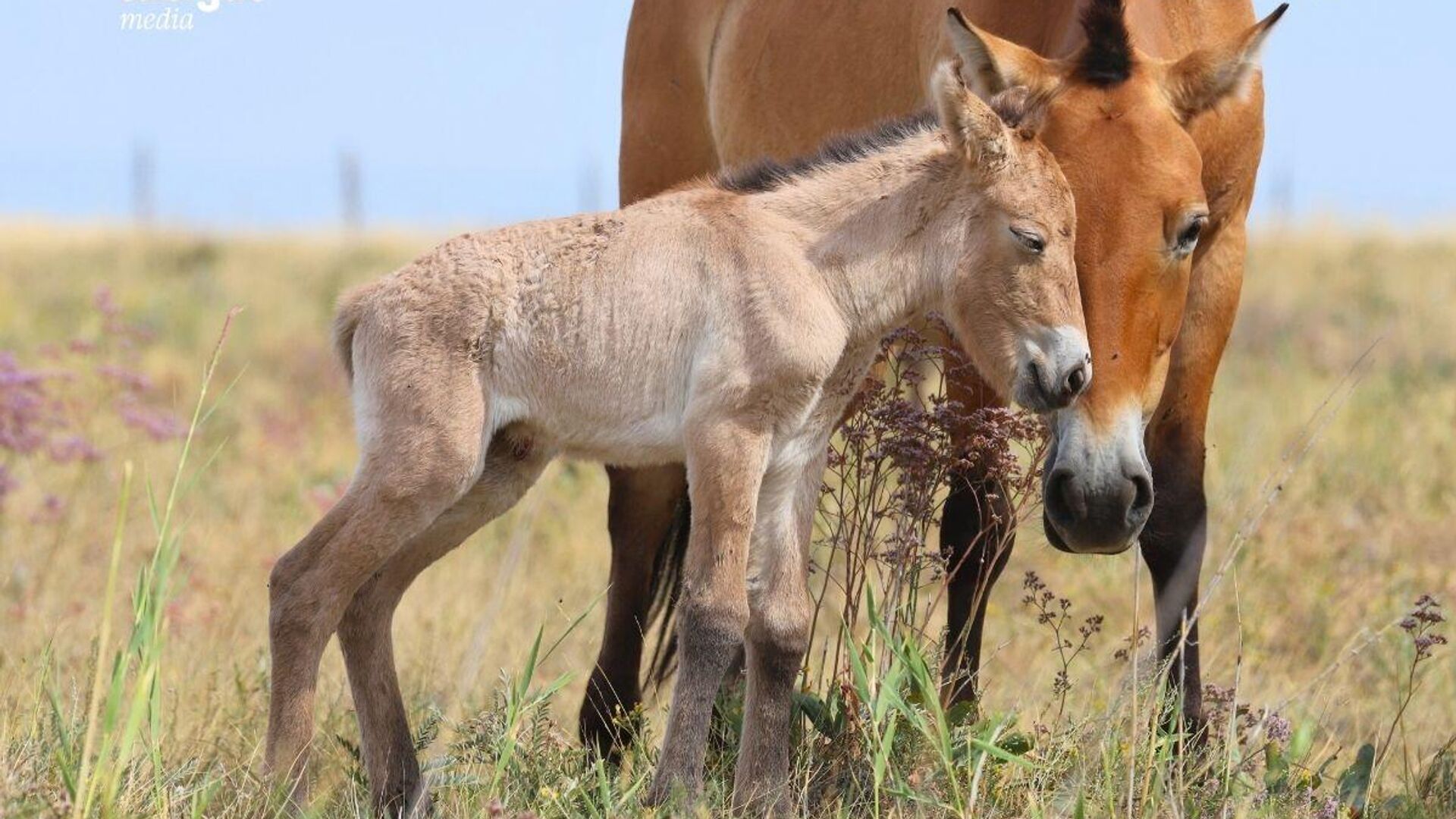
Photo credit: Kazakhstan Biodiversity Conservation Association/ Kanat Batyrhanuly
The foals were born this summer at the Alibi Reintroduction Center in the Altyn Dala State Nature Reserve in the Kostanai Region, reported the Ministry of Ecology and Natural Resources. Their mothers, Tessa and Umbra, arrived in Kazakhstan from Berlin’s Tierpark in 2024 as part of an international conservation programme.
The program entered a new stage in 2026 with the arrival of additional horses, while specialists continued preparing earlier arrivals for release into the wild.
The names Botai and Tumar reflect Kazakhstan’s cultural and historical heritage. Botai refers to the ancient Botai culture of northern Kazakhstan, associated with some of the earliest archaeological evidence of horse domestication. Tumar is a traditional Kazakh name meaning an amulet or protective talisman.
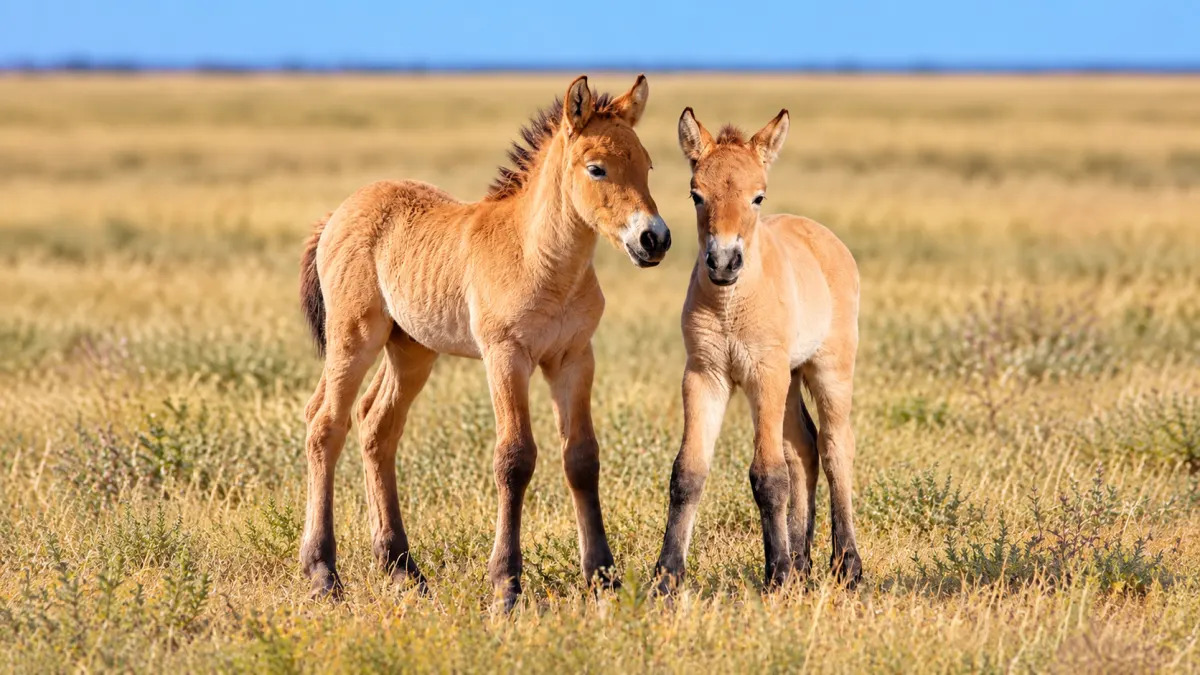
Photo credit: Ministry of Ecology and Natural Resources/ AI-generated image
The birth of the foals is particularly significant for the reintroduction program because it demonstrates that the horses brought from Europe are adapting to Kazakhstan’s natural conditions and beginning to reproduce. Earlier this month, the birth of the second foal at the same center was reported after the first foal was born on Aug. 22.
Przewalski’s horse, also known as kerqulan or kertaqy in Kazakh, is considered the last surviving wild horse species. The species disappeared from the wild during the 20th century but survived through captive breeding programs.
Kazakhstan began its current reintroduction program in 2024, when the first seven horses arrived from Prague Zoo. Another seven were brought in 2025, followed by eight more in 2026. The initiative involves the Committee of Forestry and Wildlife, the Association for the Conservation of Biodiversity of Kazakhstan, European zoos and conservation organizations.
The animals spend an adaptation period at the reintroduction center before being released into the reserve. Specialists monitor their health, behaviour and movements, with GPS collars used for some animals after release.
The Altyn Dala reserve was selected for the program because of its extensive steppe landscape, pasture and water resources. The horses are expected to play an ecological role as large grazers, contributing to natural vegetation cycles and the wider steppe ecosystem.
The program aims to establish a sustainable population of Przewalski’s horses in Kazakhstan, with plans to bring approximately 40 animals to the country by 2029.
The birth of Botai and Tumar adds a new dimension to the project, shifting its focus from simply bringing the species back to Kazakhstan toward establishing a population capable of reproducing and eventually surviving in the wild.
