
ASTANA – Kazakhstan residents are largely positive about improvements in their towns and villages, but their expectations are shifting toward further development of everyday infrastructure and services, according to a nationwide survey presented on Sept. 7.
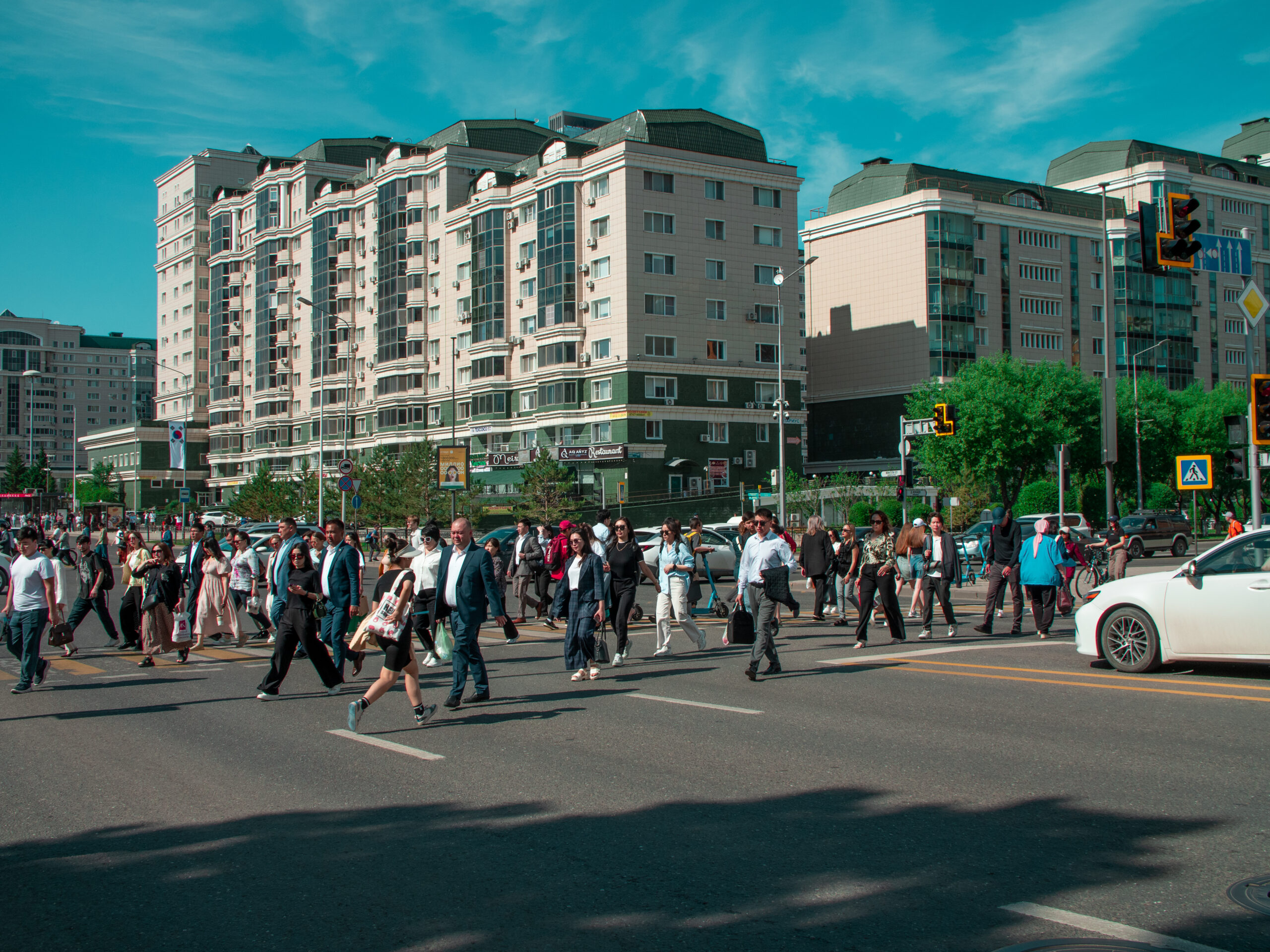
Photo credit: The Astana Times
National Analytical Center expert Roza Tleukhan said the findings show that people continue to expect the development course to move forward.
“The survey clearly shows that people retain a strong demand for further development – they notice the changes, value them and expect this course to continue,” Tleukhan said.
Conducted in July-August among 1,000 adult residents through telephone interviews, the survey found that 68% believe conditions in their settlements have improved over the past three years. 82% are satisfied with their current living conditions, while 68% expect further improvement over the next three years.
Visible improvements shape expectations
Residents most often notice improvements in areas they encounter in daily life. Roads were identified by 32% of respondents, followed by landscaping and public amenities (29%), parks and greenery (22%), schools and kindergartens (18%), and new housing (15%).
The results show that public perceptions of infrastructure development are shaped not only by the scale of investment, but also by how visible and usable its results are. The survey reflects residents’ perceptions rather than the actual volume of completed work.
A clear urban-rural distinction also emerged. City residents were more likely to notice improvements in parks, greenery, new housing and public transport, while rural residents more often pointed to roads and utilities.
The next demand is broader
Future priorities indicate where expectations remain high. Roads and landscaping ranked joint first at 26% each, followed by hospitals and clinics (21%), internet and mobile connectivity (20%), schools and kindergartens (19%), utilities (17%), and parks and greenery (16%).
Roads and landscaping rank highly both among recent improvements and future priorities, suggesting that progress has not reduced demand for continued investment.
Meanwhile, healthcare, connectivity and utilities feature more prominently among future priorities than among areas where residents have noticed major improvements. This indicates that public expectations are increasingly focused on service quality and accessibility.
Expectations will test implementation
Confidence in further progress remains relatively strong, with 70% of urban residents and 63% of rural residents expecting conditions to improve over the next three years. Among respondents aged 18-35, the share rises to 76%.
The findings suggest that infrastructure policy will increasingly be judged not only by new construction, but by whether projects improve access to healthcare, connectivity, utilities and other essential services.
For policymakers, the key measure will be whether visible infrastructure gains translate into improvements in the areas where demand remains highest.
The survey therefore points to a positive public assessment while setting a higher benchmark for the next three years: development is expected to remain continuous, visible and relevant to everyday life.
