
ASTANA – Kazakhstan expects to move from an electricity deficit to a surplus in 2028, with excess generating capacity projected to reach 2.8 gigawatts by 2029 and approximately 5 gigawatts by 2035, even after the launch of energy-intensive projects such as Data Center Valley, KEGOC Chairman of the Management Board Nabi Aitzhanov said at a Nov. 10 press briefing.
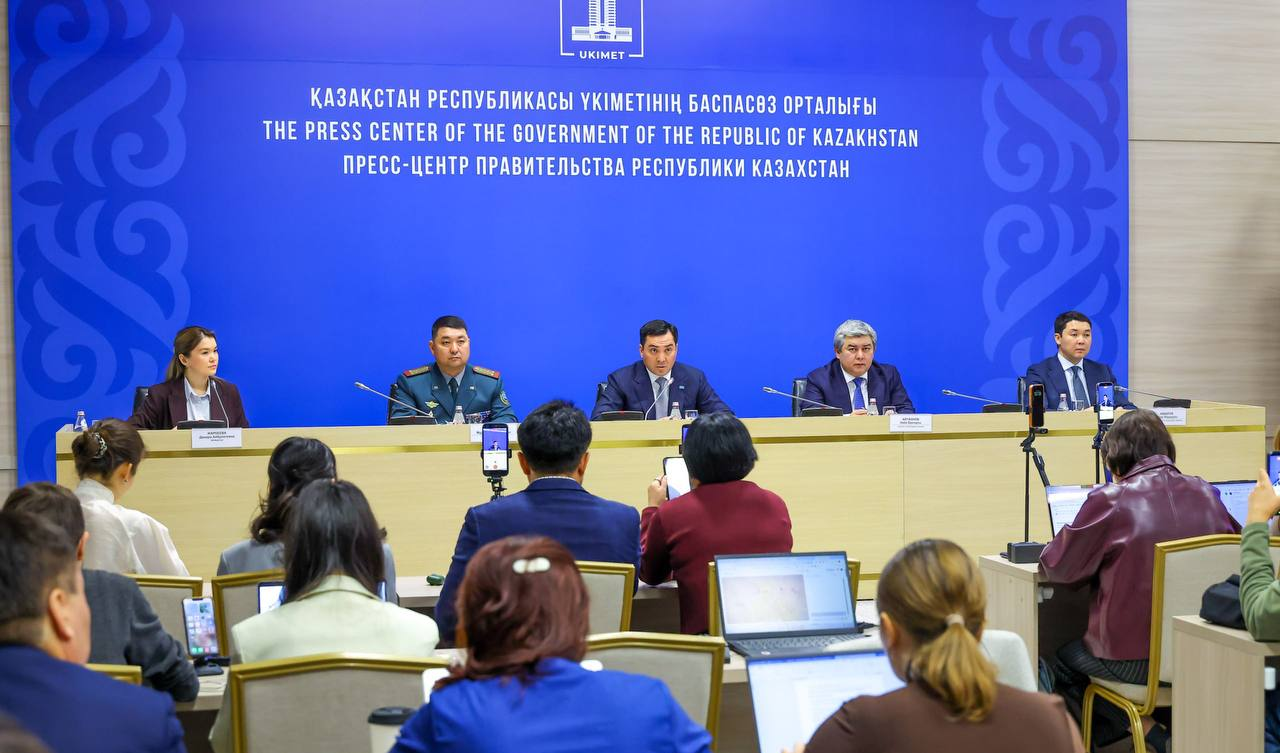
Photo credit: PM’s press service.
“Even after the launch of the Data Center Valley project, the country will maintain an electricity surplus,” he said.
To meet growing demand and strengthen energy independence, Kazakhstan plans to commission more than 26 gigawatts of new generating capacity by 2035. Nuclear energy and clean coal generation are among the priorities.
The country’s energy infrastructure modernization and expansion were also discussed at a government meeting chaired by Prime Minister Olzhas Bektenov. The agenda included upgrading existing power plants and electricity and heating networks, developing new generation facilities and addressing staffing shortages in the energy and housing and utilities sectors.
Government seeks to address energy sector staffing shortages
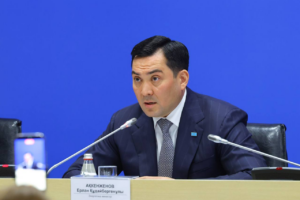
Energy Minister Yerlan Akkenzhenov speaks at a press briefing on the modernization of Kazakhstan’s energy infrastructure and preparations for the autumn-winter period. Photo credit: PM’s press service.
Energy Minister Yerlan Akkenzhenov reported that consumers are supplied with electricity and heat and that the country’s energy infrastructure is prepared for the heating season. According to the minister, average funding for repair work increased by 27%. As a result, equipment wear at power plants declined to 52%, electricity networks to 65.7% and heating networks to 48%. The number of technological disruptions decreased by an average of 6% compared with the previous year.
Bektenov stressed the need to continue building new power plants and modernizing existing facilities, transmission lines, clean coal generation and renewable energy sources. He also highlighted the importance of training qualified energy specialists, ensuring continuity between generations of professionals and building a sustainable workforce, particularly in view of the development of nuclear energy.
The Ministries of Science and Higher Education, Education and Energy, together with regional administrations, have been instructed to prepare an action plan to address the shortage of specialists in the energy sector and housing and utilities services.
Digital fire prevention system undergoing pilot testing
Kazakhstan has built 19 fire stations this year, including seven multifunctional facilities designed to accommodate both firefighting and medical services. The country is also purchasing more than 160 fire engines, around 1,500 pieces of equipment and over 2,000 sets of protective clothing. Kazakhstan is also introducing a digital system to improve fire prevention in residential areas. The Tumar 112 mobile application is currently undergoing pilot testing in the Abai Region, Emergency Situations Minister Murat Mukhanov reported.
The application will enable electronic records of residential inspections, document fire risks through photographs and geolocation, and create a unified database.
“Over time, the accumulated information will make it possible to identify the most vulnerable houses, track the elimination of identified violations and provide emergency services with up-to-date information to support prompt decision-making when reports of fires are received,” Mukhanov said.
Following the pilot, the system is expected to be introduced in other regions.
Ekibastuz power plant expansion on schedule
Construction of the third and fourth power units at Ekibastuz GRES-2 is proceeding according to schedule, Ansar Aidarov, chairman of the management board of Samruk Energo, reported.
The third unit is scheduled to launch in 2028, while the fourth is expected to enter operation in October 2030. According to him, around 450 workers are currently involved in construction. Boiler equipment deliveries are underway, while turbine equipment is expected to begin arriving early next year for installation in 2027.
Aidarov said no delays had been recorded in the construction schedule.
