
ASTANA — Phygital sport’s future will depend on building lasting local ecosystems, developing a new generation of athletes skilled in both physical and digital competition, and establishing itself as a distinct international sporting movement, Phygital International CEO Daniel Merkley said in an exclusive interview with The Astana Times.
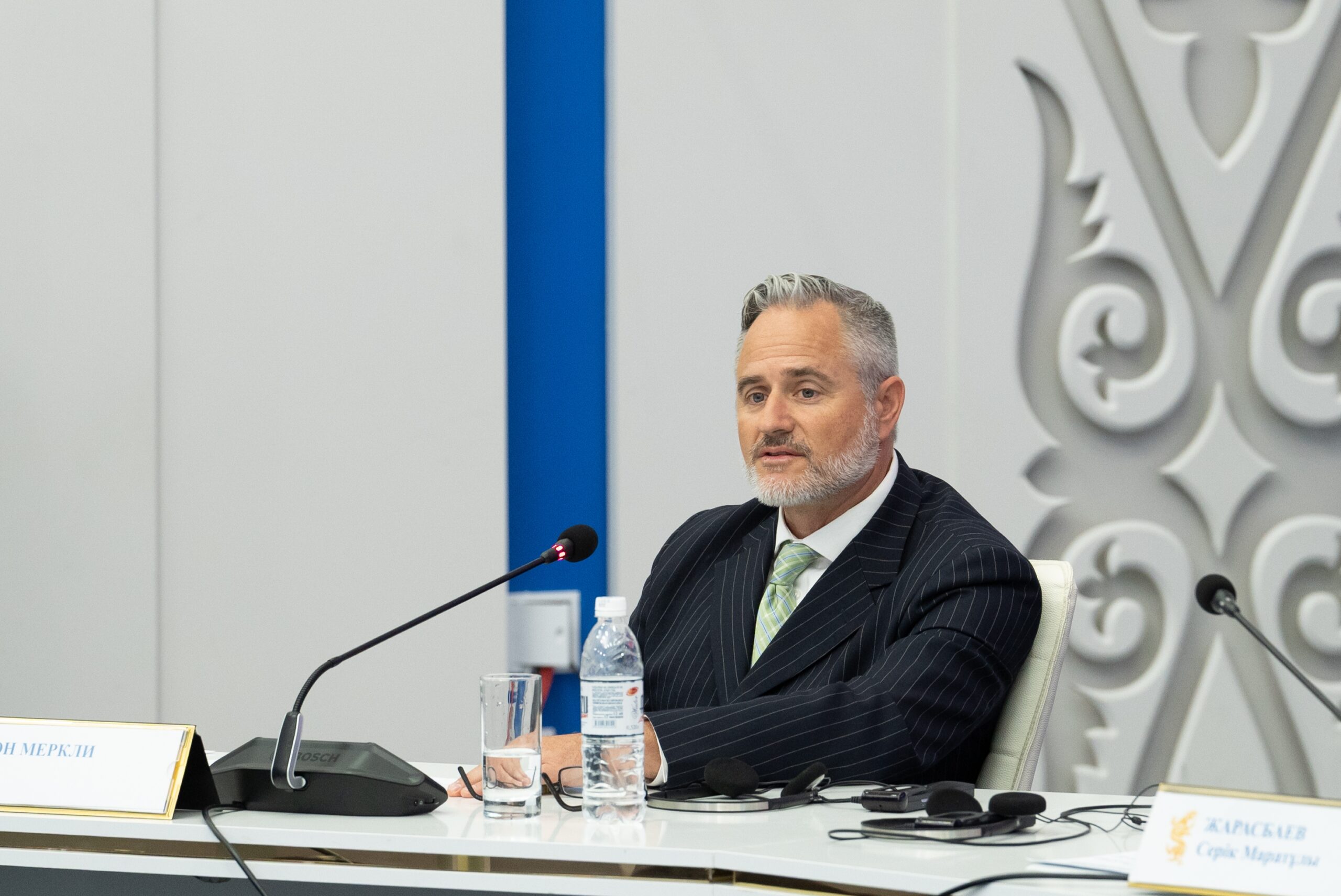
Dan Merkley – CEO of Phygital International. Photo credit: GOTF 2026 press office
The Games of the Future 2026 powered by Samruk Kazyna (GOTF 2026) concluded in Astana on Aug. 9 after 12 days of competition across eight disciplines. With the event over, attention is turning to what comes next for phygital sport and how it can develop beyond major international tournaments.
Drawing on more than 20 years of experience working on Olympic and Paralympic events, Merkley said phygital sport has much to learn from established sporting institutions, particularly in governance, athlete-centered development and trust.
“One of the greatest lessons from the Olympic and Paralympic Movement is that lasting success comes from strong governance, clear values and a commitment to serving athletes first. Major sporting movements are built over decades through trust, consistency and collaboration, and those principles are just as relevant for phygital sport,” said Merkley.

Phygital Football UFL Presented by Samruk Kazyna champions – NS Team. Photo credit: GOTF 2026 press office
“At the same time, we should not assume that because something has always been done a certain way, it is the right approach for a new generation,” he added.
For Merkley, strong governance – the rules, decision-making and accountability behind how a sport is organized – will be essential to building international credibility. However, he emphasized that the emerging movement should not simply reproduce the structures of traditional sport.
“Rather than asking young people to adapt to traditional sport, we can meet them where they already are. That means embracing technology, creating more engaging experiences for athletes and fans, and building a model that reflects how younger generations participate, compete and consume sport today,” said Merkley.
“Ultimately, our goal is not to replace traditional sport. It is to create something complementary that learns from its strengths while being confident enough to evolve in its own direction,” he said.
Astana’s legacy will be measured in years
According to Merkley, the most meaningful outcome for Kazakhstan will not be found in final scores, viewing figures or the scale of the event itself.

Franko Vitali – Phygital Dancing Presented by Solidcore Resource champion 2026. Photo credit: GOTF 2026 press office
“The real measure of success won’t be what happens during these 12 days of competition. It will be what happens over the next three, five or even 10 years. If, in a few years’ time, Kazakhstan has more young people participating in phygital sport, a growing calendar of competitions, stronger links between sport, education and technology, and a new generation of athletes developing both physical and digital skills, then we’ll know these Games have created something that lasts,” he said.
He noted that impact could extend beyond organized competition, particularly as Kazakhstan places greater emphasis on innovation, technology and artificial intelligence. An event linking sport with digital skills can introduce young people to opportunities beyond the competition itself.

MMA fighters at the Phygital Fighting Presented by Kazzinc discipline. Photo credit: GOTF 2026 press office
“If these Games encourage more young people to engage with technology, develop new skills and see opportunities at the intersection of sport and innovation, that is a powerful legacy in itself,” said Merkley.
He said Phygital International also works with host cities and partners to support continued development after the flagship event ends, to create local structures capable of sustaining participation and attracting future investment.
“Ultimately, success means leaving behind a stronger phygital ecosystem that continues to inspire young people, attract investment and create new opportunities long after the closing ceremony,” he said.
A new type of athlete
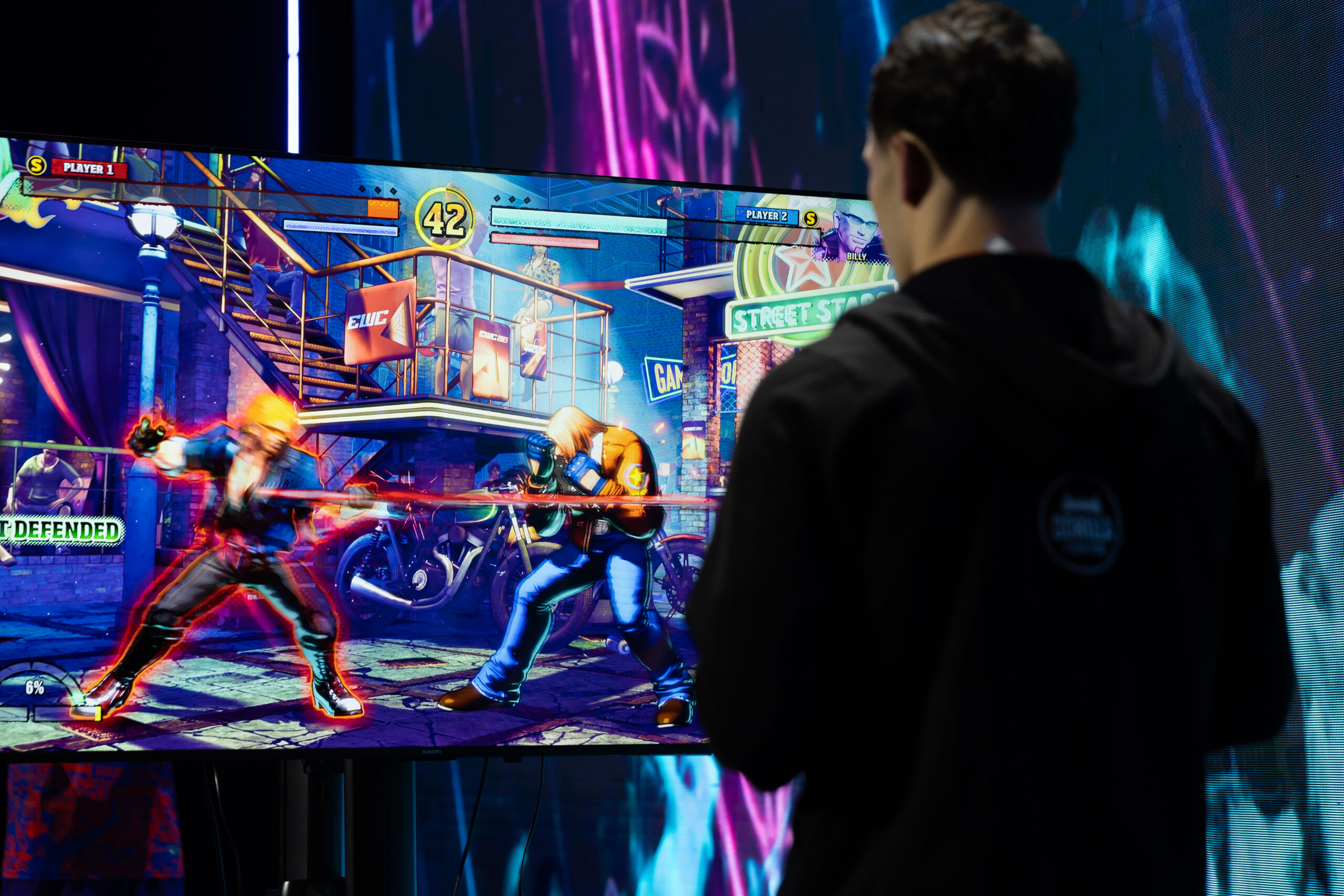
That distinction is also reflected in the demands placed on competitors themselves. In phygital sport, athletes compete across digital and physical stages within the same discipline. Depending on the format, a video game result can carry into football, basketball, combat sports or another physical contest, requiring competitors to perform effectively in both environments.
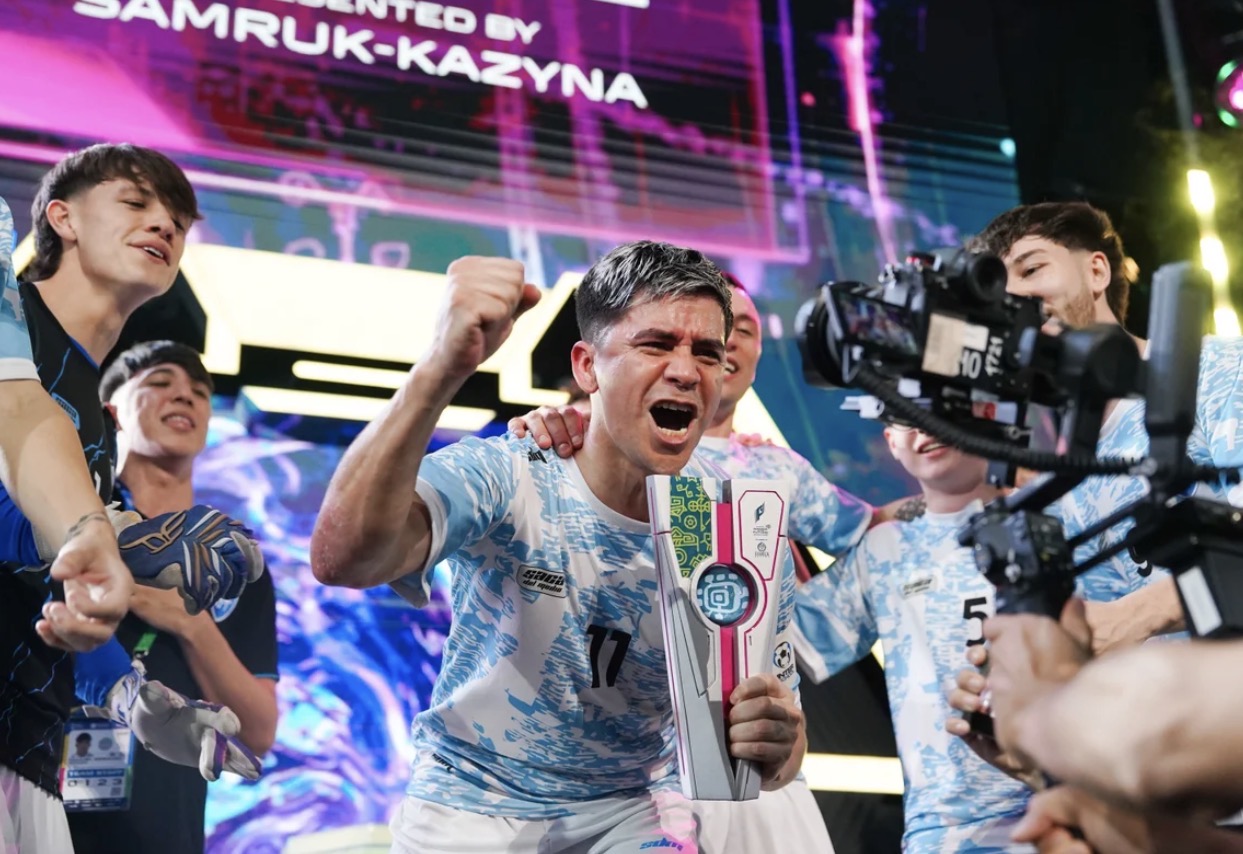
Phygital Football UFL Presented by Samruk Kazyna champions – NS Team. Photo credit: GOTF 2026 press office
For Merkley, that combination is beginning to produce athletes who no longer fit neatly into the traditional distinction between gamers and sports competitors.
“What makes phygital athletes unique is that they cannot rely on excellence in just one environment. They have to combine elite gaming ability with high-level physical performance, while also being able to transition seamlessly between the two under competitive pressure. That demands technical skill, tactical intelligence, physical fitness, mental resilience and adaptability in equal measure,” said Merkley.
As competition develops, he expects training systems to become increasingly specialized around those combined demands. Coaches could prepare athletes for both stages, supported by sports science in areas such as physiology, biomechanics, psychology and performance analysis tailored specifically to phygital competition.
“I think we’re witnessing the emergence of a new type of athlete – one who develops physical excellence and digital mastery in parallel. (…) I also believe we’ll see more young athletes developing physical and digital skills side by side, rather than feeling they have to choose between traditional sport and gaming,” he said.
Becoming a category of its own
Phygital sport currently sits at the intersection of several industries, combining elements of international sport and entertainment while connecting traditional sports organizations, esports and technology companies.
Phygital Fighting Presented by Kazzinc athletes before stepping into MMA octagon. Photo credit: GOTF 2026 press office
“I don’t think those possibilities are mutually exclusive. Phygital sport has the potential to become a recognized international sporting movement while also delivering world-class entertainment and creating meaningful connections between traditional sport, esports and technology. What is important is that we do not define ourselves solely by comparison with existing models,” he said.
His long-term ambition is for the Games of the Future to become one of the world’s leading international sporting events while developing an identity that does not depend on resembling the Olympics, esports tournaments or any other existing model.
“Achieving that will require disciplined choices. We must protect sporting integrity, maintain high competitive standards and continue building trusted relationships with athletes, publishers, sports organizations, governments and commercial partners,” Merkley said.
“If we can balance those priorities, I believe phygital sport can become one of the defining sporting movements of the next generation,” he added.
