
ASTANA – The Kazakh capital hosted the C5+1 Critical Minerals Dialogue on June 10, bringing together senior officials from Central Asian countries and the United States to strengthen cooperation on critical mineral supply chains, investment and technological development.
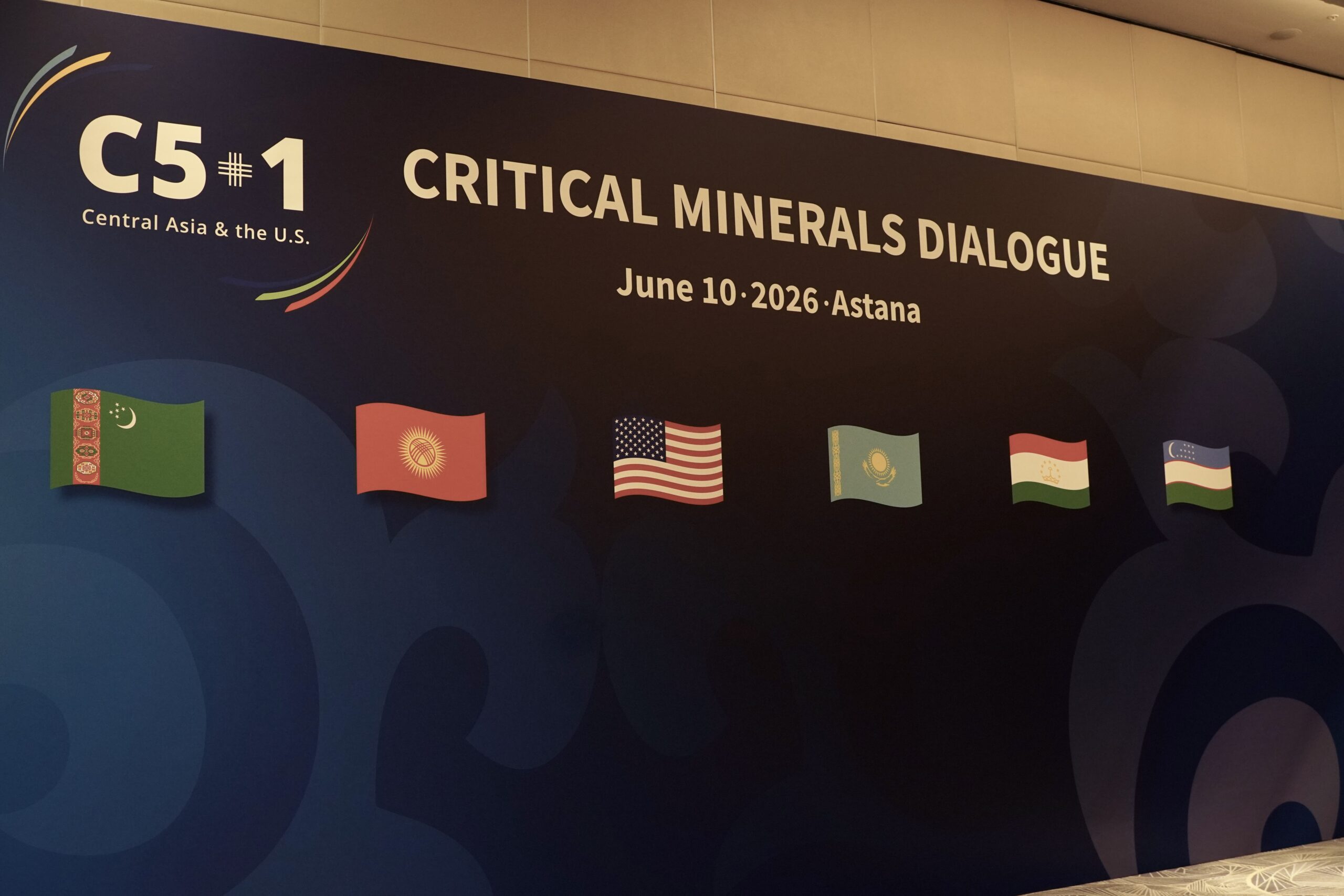
Photo credit: The Astana Times/ Fatima Kemelova
Opening the dialogue, Kazakhstan’s Minister of Industry and Construction Yersayin Nagaspayev said critical minerals are becoming the foundation of the global technological transition and a new industrial architecture.
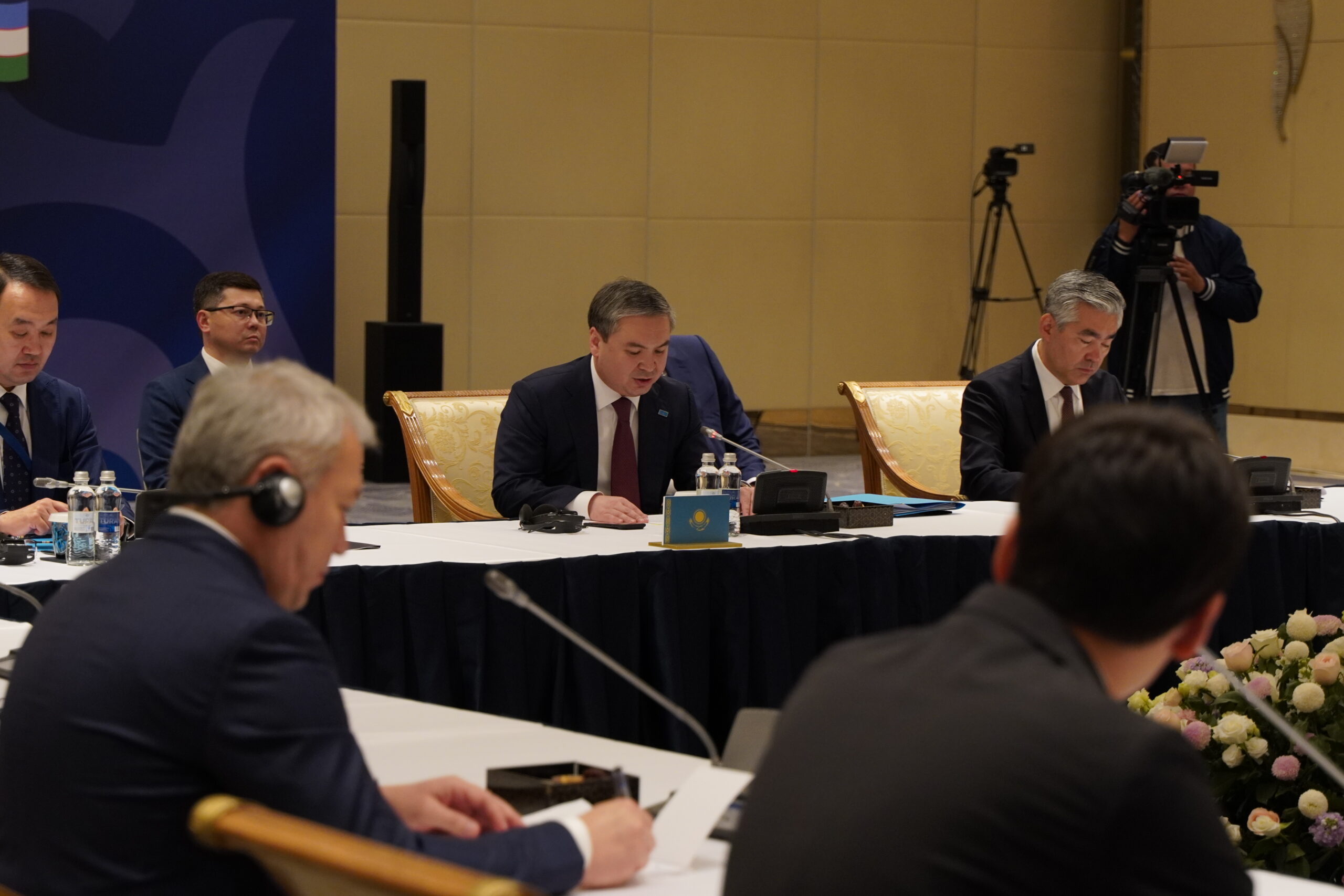
Kazakhstan’s Minister of Industry and Construction Yersayin Nagaspayev. Photo credit: The Astana Times/ Fatima Kemelova
“Central Asia possesses significant mineral resources, growing industrial potential and a strategic location between major global markets. Kazakhstan views the critical minerals sector as a strategic priority and invites American companies to participate in exploration and development projects,” Nagaspayev said.
Nagaspayev highlighted Kazakhstan’s efforts to improve the investment climate in the mining sector. He noted that the country adopted a new Subsoil and Subsoil Use Code based on international best practices, introducing a “first come, first served” licensing principle and simplifying access to mineral resources.
In 2023, Kazakhstan launched a unified digital subsoil use platform, moving key processes online from licensing to reporting. Since 2024, the country has fully implemented CRIRSCO (Committee for Mineral Reserves International Reporting Standards) international reporting standards to ensure transparency and compatibility with global industry practices.
According to Nagaspayev, Kazakhstan’s resource base includes more than 9,500 deposits, including over 100 deposits containing rare and rare earth metals.
“These reforms have significantly increased investor interest. Since 2018, investment in geological exploration has tripled and exceeded $1 billion,” Nagaspayev said.
He noted that major international mining companies, including Rio Tinto, Barrick Gold, First Quantum, Ivanhoe, Teck Resources, Fortescue and Cove Capital, have entered the Kazakh market.
Nagaspayev emphasized that Kazakhstan seeks partnerships that go beyond raw material exports and include technology transfer, scientific cooperation, workforce development and the creation of industrial clusters.
“We believe that only through close cooperation between business and international partners can we build reliable and sustainable critical mineral supply chains,” he said.
Nagaspayev also highlighted Kazakhstan’s efforts to develop the Trans-Caspian International Transport Route, also known as the Middle Corridor.
“We believe the Middle Corridor can play an important role in diversifying global transport routes, strengthening Eurasian connectivity and supporting reliable supply chains for critical minerals,” he said.
Seeking win-win opportunities
Speaking at the event, U.S. Special Envoy to South and Central Asia Sergio Gor emphasized the growing importance of Central Asia in U.S. foreign and economic policy.
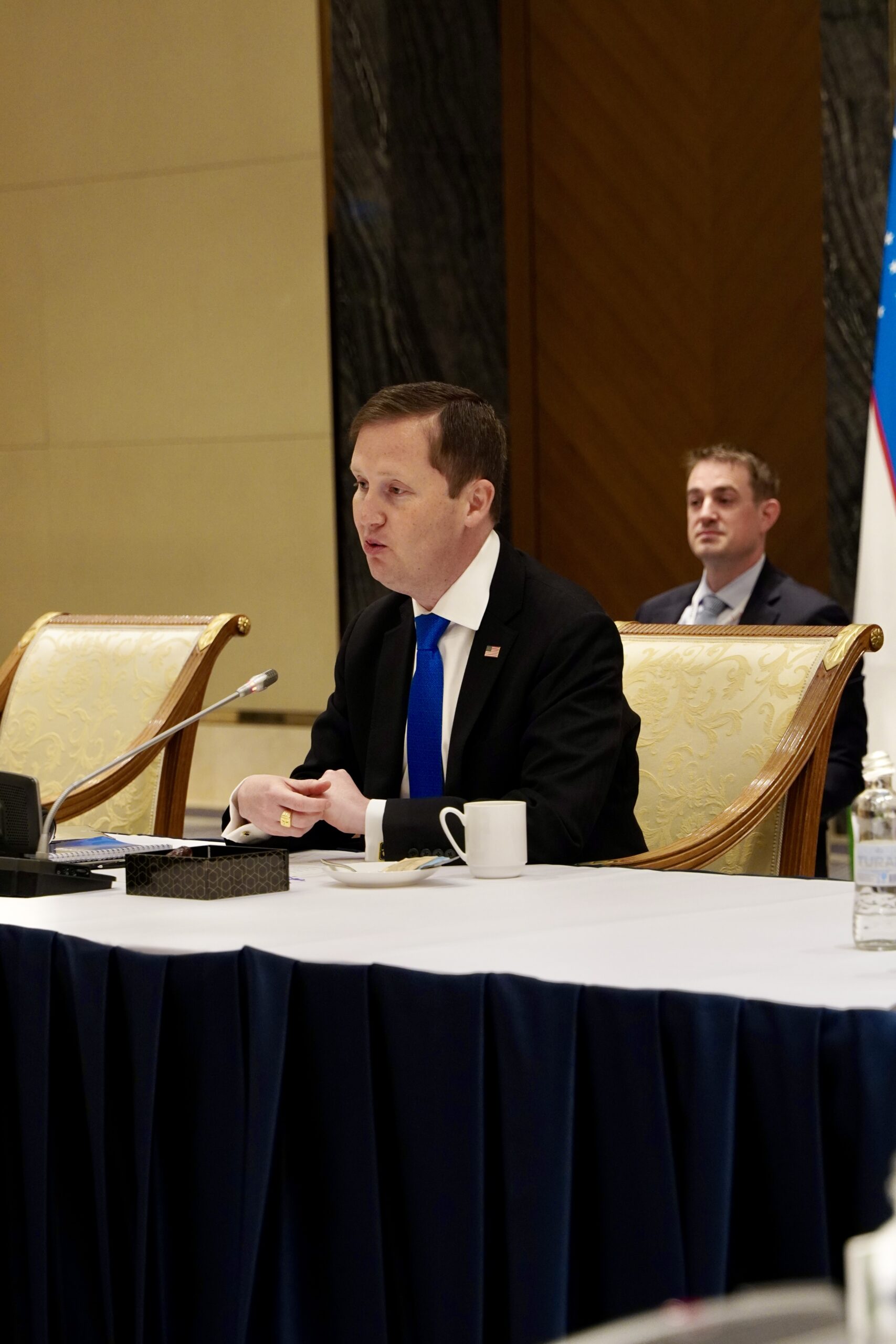
U.S. Special Envoy to South and Central Asia Sergio Gor. Photo credit: The Astana Times/ Fatima Kemelova
“When President Trump hosted the C5+1 leaders in Washington last fall, he made it clear that Central Asia had not received the level of attention it deserved from the United States. He was determined to change that, and strengthening engagement with this region has become a key priority for this administration,” Gor said.
Gore said the U.S. views Central Asia as a trusted partner and a region of increasing strategic importance.
“We care deeply about Central Asia. We want to be engaged, build stronger partnerships and identify opportunities that create benefits for both the United States and the countries of this region,” he said.
He noted that critical mineral supply chains are a major priority for the administration. Earlier this year, the Critical Minerals Ministerial brought together representatives from 54 countries and adopted a four-part strategy. It focused on protecting mining industries from unfair trade practices, directing investment into mining projects, creating critical mineral stockpiles and reforming regulatory frameworks.
“Critical minerals are essential to modern economies. They power the technologies we use every day, support industrial production, strengthen infrastructure and contribute to national security. Ensuring reliable access to these resources requires resilient, transparent and market-driven supply chains developed in partnership with trusted countries,” Gor said.
“Today, we are gathered with those trusted partners. This is where we want to work, where we see opportunities for growth and where we believe we can build win-win partnerships for all our countries,” he said.
According to Gor, economic cooperation between the U.S. and Central Asia has produced tangible results. Over the past nine months, Kazakhstan and Uzbekistan have each announced more than $20 billion in investments in the U.S., while American companies are increasingly exploring opportunities across the region.
He also highlighted growing interest from the U.S. International Development Finance Corporation (DFC), which is exploring investments in critical minerals, telecommunications and infrastructure projects throughout Central Asia.
“DFC sees the potential to transform the region’s critical mineral resources into the foundation of a new era of industrial development. It also recognizes opportunities in telecommunications, infrastructure and connectivity, including along the Trans-Caspian Corridor, which we believe can become one of the defining trade routes of the 21st century,” Gor said.
Last month, DFC approved $2.5 billion in strategic investments aimed at strengthening supply chains and supporting key economic priorities.
“If we work together, I am confident the U.S.-Central Asia economic relationship will thrive, bringing our enhanced C5+1 partnership into a new era and creating a win-win situation for all of us,” Gor said.
Roadmap for critical minerals cooperation
Alissa Bibb, deputy director of the South and Central Asia Bureau at the U.S. Department of State, outlined plans for the newly established Critical Minerals Dialogue Special Committee.
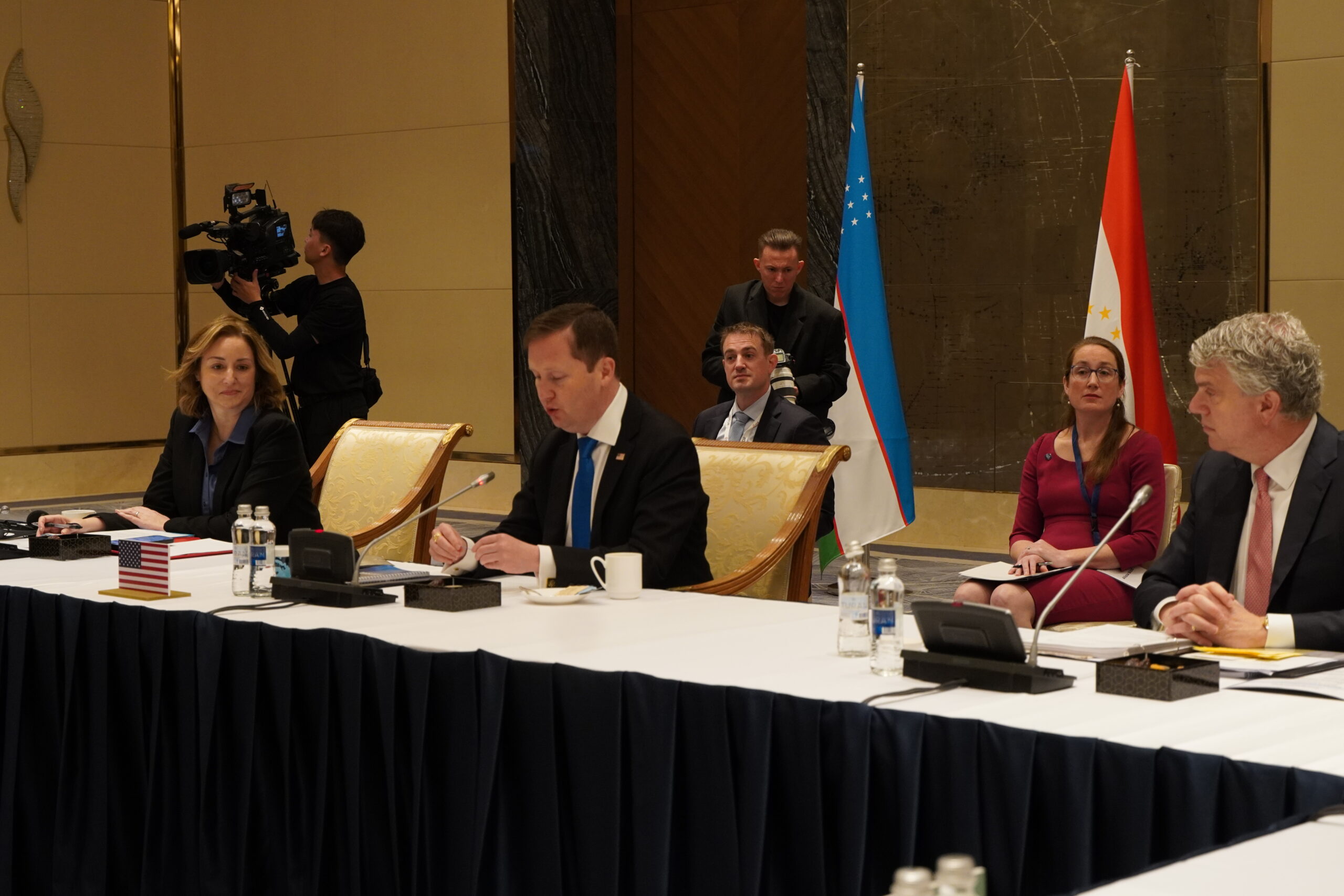
Photo credit: The Astana Times/ Fatima Kemelova
“Our goal is simple: to operationalize the commitments made by our leaders during the November 2025 presidential summit and advance our shared objectives through implementation of the C5+1 Critical Minerals Dialogue Roadmap,” Bibb said.
According to Bibb, the committee’s first task will be developing an implementation plan centered on three priority areas, such as geological exploration, mining and processing, and integration into global value chains.
She said the committee will seek opportunities to jointly fund, share responsibilities and implement regional projects.
Bibb also welcomed proposals from Central Asian partners, including ideas for a unified digital platform for geological data exchange, harmonization of technical and environmental standards across the mining sector and expanded technology transfer programs.
“With the summit joint statement, the Critical Minerals Dialogue Roadmap and committed partners around this table, we have both the mandate and the framework necessary to to operationalize our shared critical minerals goals,” Bibb said.
