
ASTANA — Kazakhstan’s Kurultai approved the country’s 2027–2029 national budget, advanced legislative amendments to regulate online platforms and mass media and also ratified international agreements with Singapore during a Nov. 18 meeting.
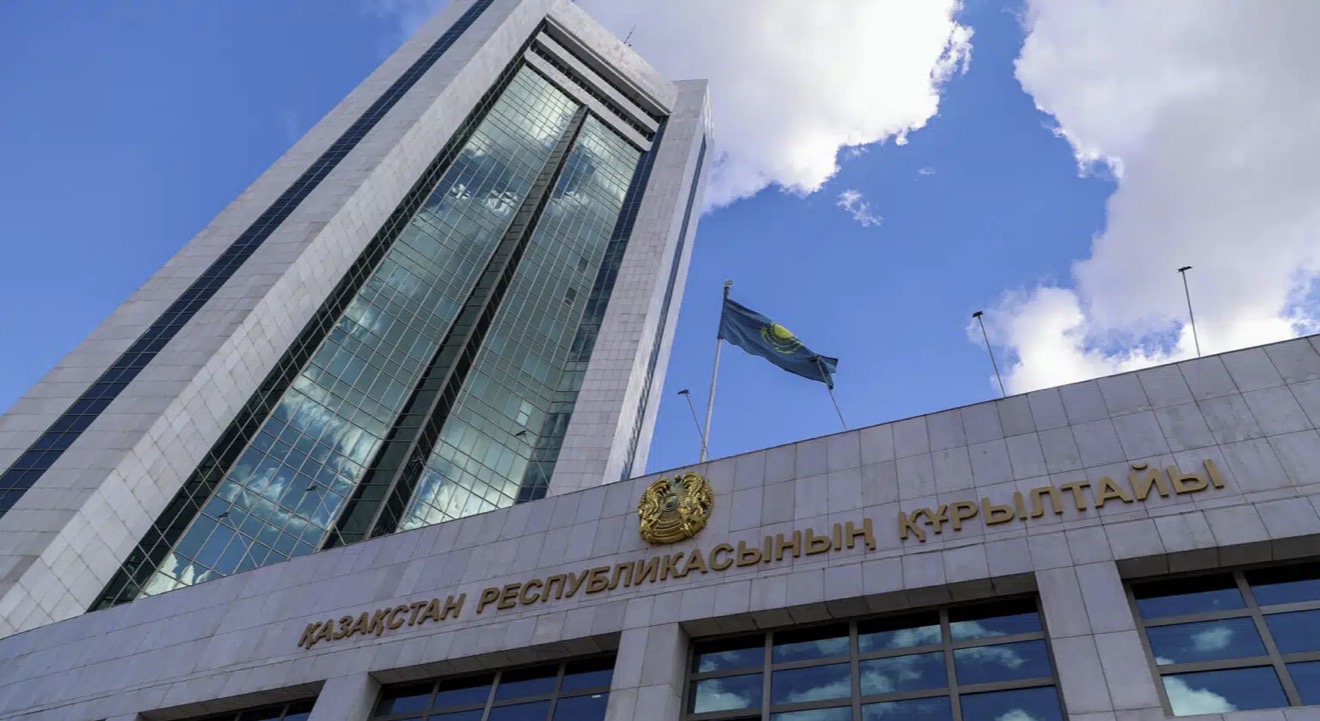
Photo credit: Serikzhan Kovlanbaev
Deputies supported amendments increasing planned expenditures for 2027, including additional funding for presidential initiatives announced in his Oct. 28 address.
A total of 114.1 billion tenge (US$257 million) was allocated for these measures. Of this amount, 75.9 billion tenge (US$171 million) will go toward raising the minimum monthly wage from 85,000 (US$191) to 110,000 tenge (US$248). Another 20 billion tenge (US$45 million) is earmarked for salary increases for employees of primary healthcare organizations, while 600 million tenge (US$1.4 million) will support the introduction of artificial intelligence in secondary education.
An additional 101.5 billion tenge (US$228.6 million) was allocated to implement other presidential instructions. This includes 34.5 billion tenge (US$77.7 million) for the construction of a water pipeline from the Satpayev Canal to Astana, 21.9 billion tenge (US$49.3 million) to modernize and equip border checkpoints, and 16.2 billion tenge (US$36.5 million) for surveying work related to the proposed Balkhash nuclear power plant project.
The budget also provides 5.5 billion tenge (US$12.4 million) to expand staffing and improve the technical equipment of the Ministry of Emergency Situations.
Separately, deputies supported amendments allocating 47 billion tenge (US$105.9 million) for regional infrastructure projects. Another 2.5 billion tenge (US$5.6 million) will go toward the construction and development of healthcare facilities, and 6.5 billion tenge (US$14.6 million) will support special economic zones. Air transport development and Ministry of Emergency Situations facilities will each receive 2.5 billion tenge (US$5.6 million).
New rules proposed for online platforms and mass media
The Kurultai approved in the first reading draft legislation aimed at improving regulation of online platforms and mass media.
The proposed amendments seek to protect citizens’ rights, strengthen safeguards for minors online, increase the accountability of digital platforms and promote a more transparent information environment.
Under the proposals, online platforms would be required to establish representative offices in Kazakhstan and face liability for failing to comply with orders to remove illegal content.
According to the Ministry of Culture and Information, authorities identified 128,500 pieces of illegal content during the first 10 months of 2026.
The draft legislation also supports mechanisms to identify users and public communities with audiences exceeding 5,000 subscribers.
A separate set of measures focuses on protecting children online. The proposals would restrict registration on online platforms for children under 16 and introduce age-verification mechanisms. The restrictions would not apply to messaging services used to communicate with parents, relatives and teachers.
The proposed changes would also introduce licensing for the distribution of television and radio channels through audiovisual platforms and require online cinemas to appoint legal representatives in Kazakhstan.
Other amendments seek to strengthen protection of citizens’ honor, dignity and right to their own image. They would introduce administrative liability for defamation on online platforms and the use of obscene language in mass media and online.
The proposals also include labeling official responses from government agencies in the media and improving transparency around educational courses and occult services.
Kazakhstan and Singapore strengthen legal cooperation
The Kurultai ratified an agreement between Kazakhstan and Singapore on mutual legal assistance in criminal matters. The agreement is intended to strengthen cooperation between the competent authorities of the two countries in investigating and prosecuting criminal cases.
It provides for the exchange of evidence, searches and other procedural measures, access to bank account information, action against proceeds of crime, expert examinations and the collection of witness testimony.
