
ASTANA – Kazakhstan is preparing the second phase of the Northern Aral Sea Conservation Project, which aims to raise the sea’s water level to 44 meters by reconstructing the Kokaral Dam and modernizing irrigation systems across the Aral-Syrdarya basin.
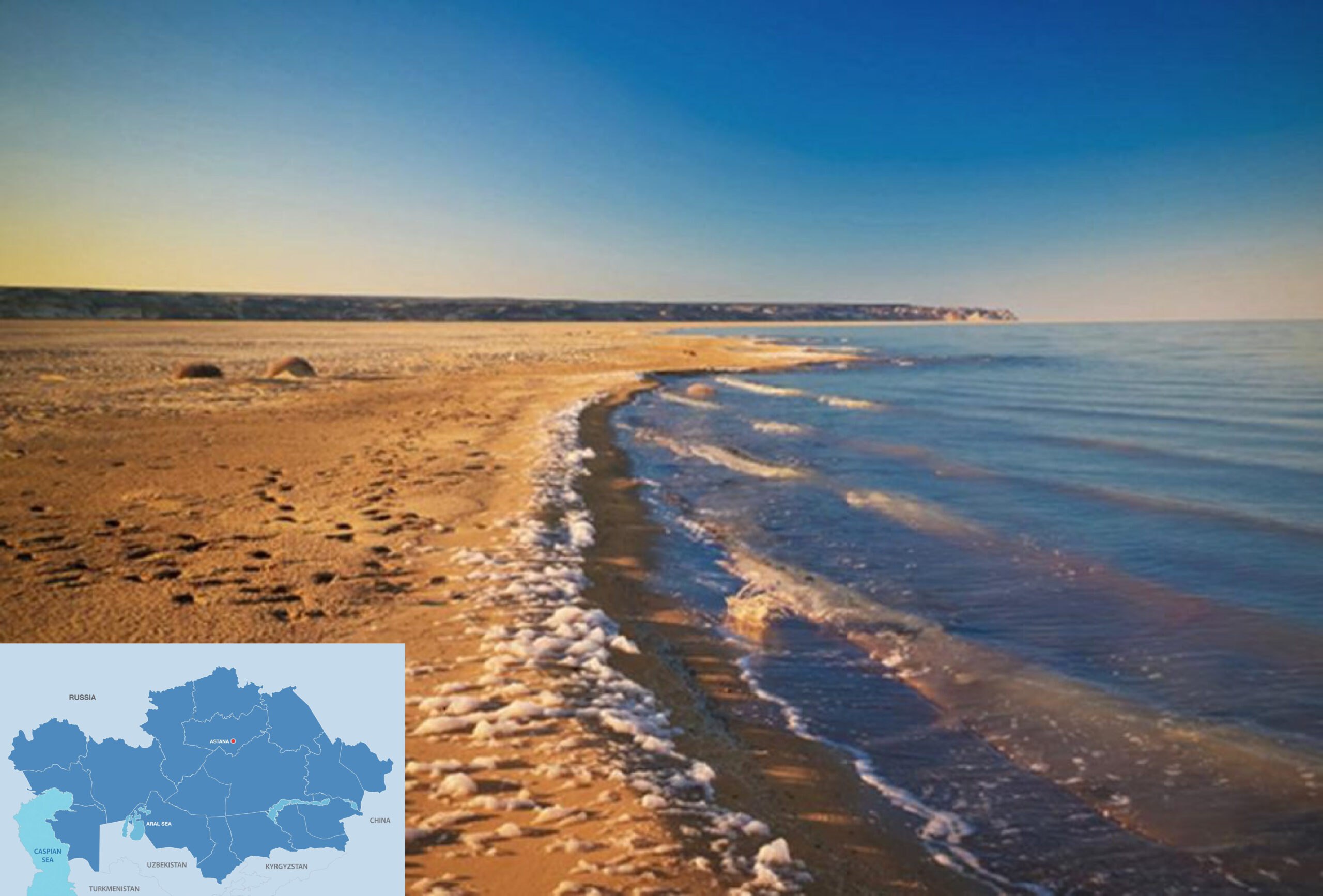
Photo credit: Kazakh Ministry of Ecology. Click to see the map in full size. The map is designed by The Astana Times.
The project was developed by the Ministry of Water Resources and Irrigation of Kazakhstan in cooperation with the World Bank. According to the plan, reconstruction of the Kokaral Dam will raise the sea level to 44 meters in the Baltic height system, expanding its surface area to 3,913 square kilometers and increasing the water volume to 34 billion cubic meters.
In parallel, more than 160 design and cost estimates are being prepared to modernize and automate irrigation systems in the Turkistan Region and Kyzylorda Region. The upgrades are intended to improve water efficiency and channel saved water to the Northern Aral Sea, reported the ministry’s press service on March 13.
The project is currently being prepared for review by the coordinating council for cooperation with international financial organizations, chaired by Kazakhstan’s Prime Minister. Implementation is planned for 2026-2029.
Efforts to restore the sea have already shown progress. Through coordinated reservoir management along the Syr Darya River and adherence to interstate water agreements, more than 6 billion cubic meters of water have flowed into the Northern Aral Sea over the past three years. As a result, its volume increased from 18.9 billion cubic meters in 2022 to 23 billion cubic meters by the end of 2025.
Minister of Water Resources and Irrigation Nurzhan Nurzhigitov noted that preserving the Northern Aral Sea remains a strategic priority.
He also highlighted the agreement on the joint management and rational use of transboundary water bodies signed by Kazakhstan and Uzbekistan, stressing that restoring the Northern Aral Sea is “not only an environmental matter but also a social and strategic task for Central Asia.”
