
ASTANA — Women now make up over 10.4 million people in Kazakhstan, reflecting both the country’s growing population and the expanding role women play in the workforce, entrepreneurship and public life, according to new statistics released by the Bureau of National Statistics ahead of International Women’s Day.
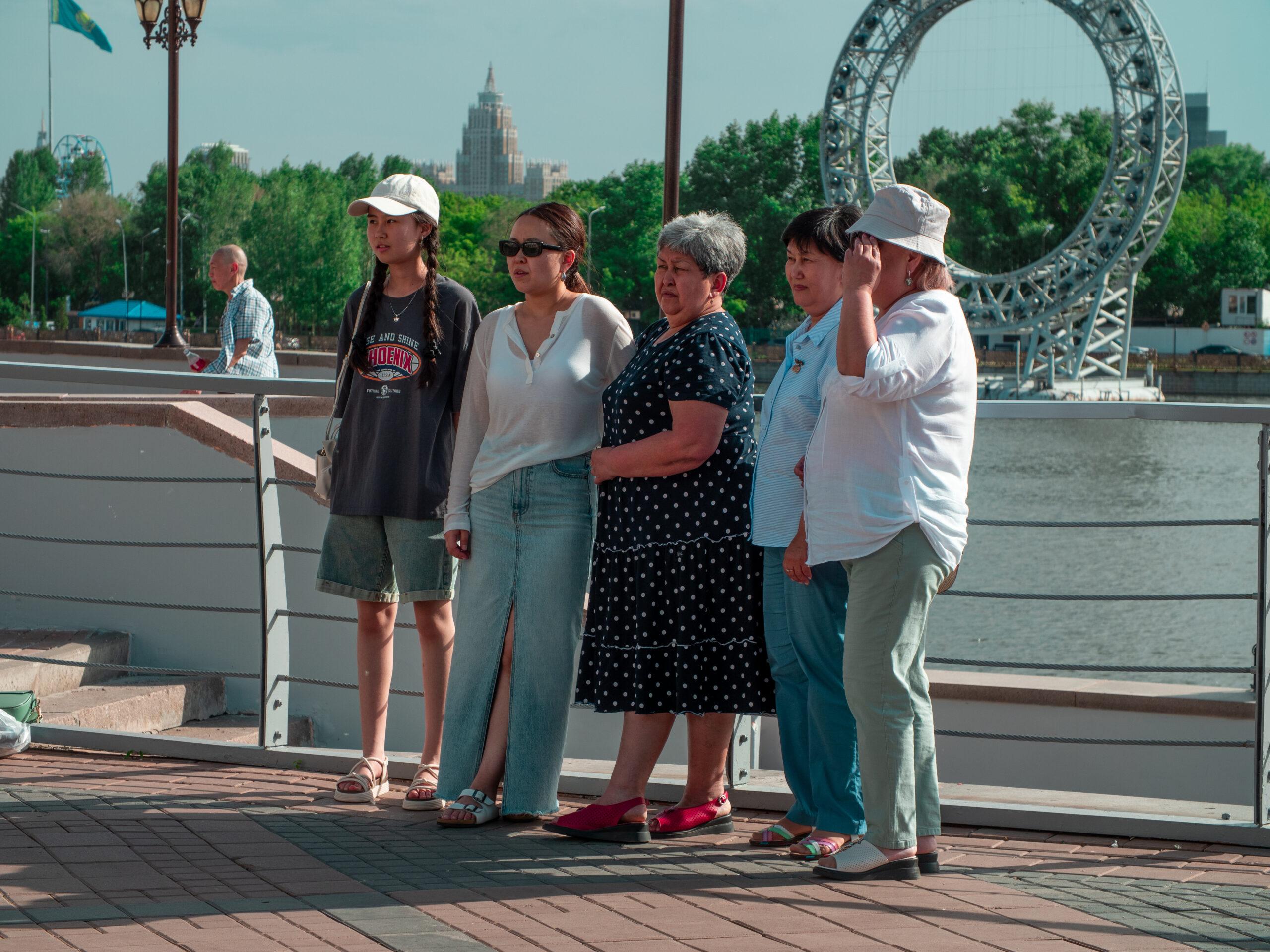
Photo credit: The Astana Times
According to the statistics, the number of women in Kazakhstan has reached 10.48 million, representing roughly 51.1% of the country’s total population of 20,518,005 as of Feb. 1.
Women are represented across all age groups, with nearly one-third — 29.1% — under the age of 16. The largest share, 55.5%, falls within the working-age group of 16 to 60, while 15.4% are aged 61 and above.
The largest number of women live in Kazakhstan’s major urban centers and densely populated regions. Almaty leads with around 1.2 million women, followed by the Turkistan Region with about one million. The capital, Astana, is home to approximately 803,500 women, while the Almaty Region accounts for roughly 778,500.
Women also make a significant contribution to the national labor market. They represent 48% of the employed population, or around 4.4 million workers. Among salaried employees, women account for half of the workforce, while among the self-employed, they make up 45%.
Employment data shows that women are particularly active in several key sectors. Education accounts for the largest share, at 20% of all working women, followed by trade at 19% and healthcare at 10%.
Women are also increasingly active in entrepreneurship. According to official statistics, they make up 50.8% of individual entrepreneurs in Kazakhstan.
The largest group of employed women falls between the ages of 35 and 44, totaling around 1.3 million people.
Demographic indicators also highlight relatively high longevity among women in Kazakhstan. The average age of women is 34.1 years, while female life expectancy stands at 79.4 years.
Population data also reflects the country’s ongoing urbanization. Of Kazakhstan’s more than 20.5 million residents, around 13.1 million live in cities, while approximately 7.4 million reside in rural areas.
