
ASTANA – A Portuguese artificial intelligence company is seeking opportunities to bring its disaster prevention technology to Kazakhstan, starting with a pilot project that could help authorities anticipate wildfires, floods and other emergencies before they escalate.
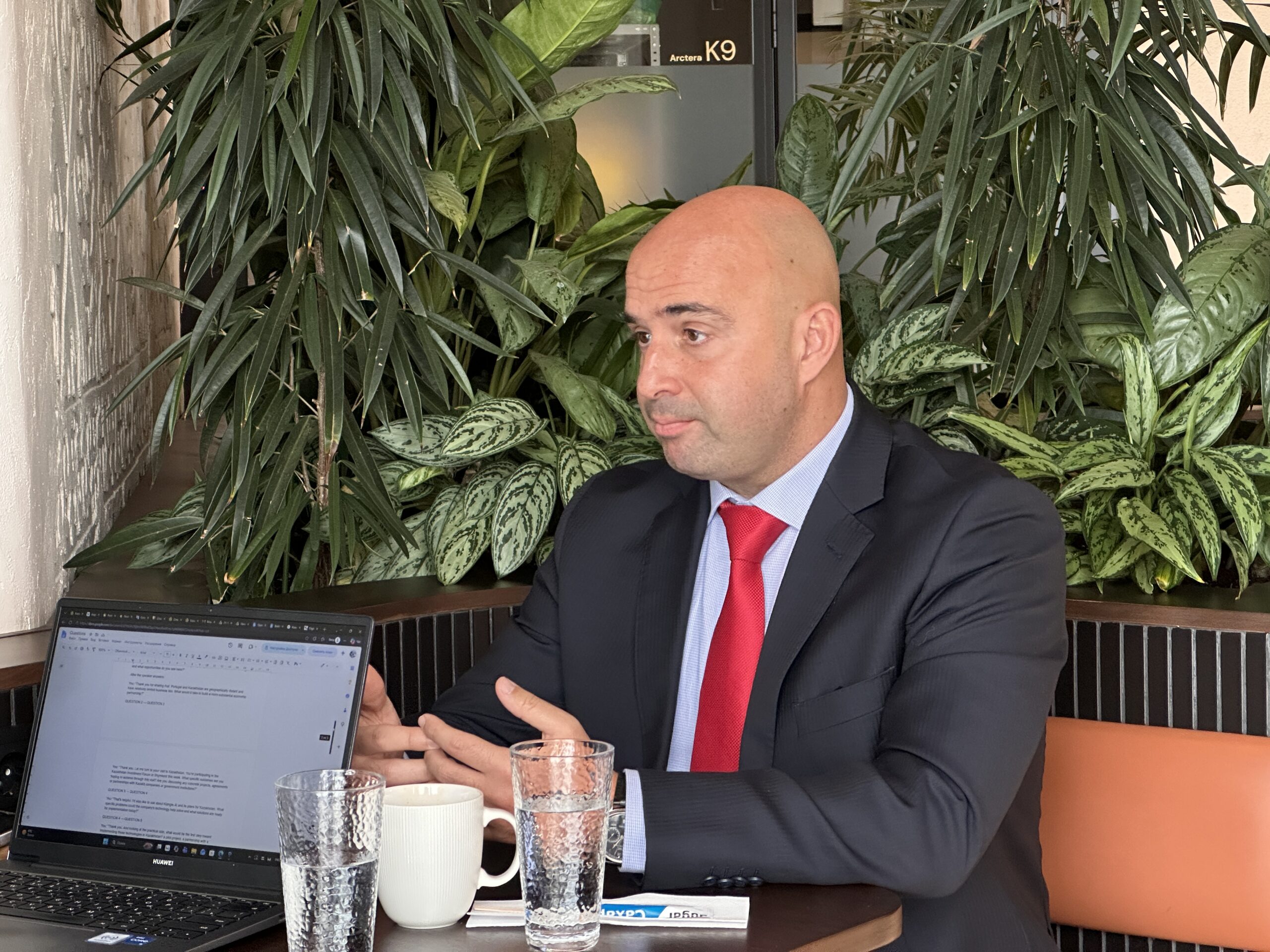
Nelson Fernandes. Photo credit: The Astana Times
Nelson Fernandes, a commissioner at the European Economic Chamber (EEIG) and a Portuguese strategy and marketing specialist, said Kazakhstan’s ambition to develop its own solutions and its growing technology sector made it an attractive partner. He spoke in an interview with The Astana Times ahead of his participation in the Kazakhstan Global Investment Roundtable (KGIR) in Shymkent.
“My first interest came before this trend that everyone is coming here, especially to Kazakhstan and Uzbekistan,” Fernandes said, explaining that his company, Kiangle.AI, deliberately looks for markets outside the usual investment destinations where it can develop partnerships and create mutual value.
From detecting disasters to preventing them
Kiangle.AI has developed a platform initially designed to manage forest wildfires. Unlike conventional early-warning systems that often rely on cameras, patrols and emergency services to detect fires after they start, the technology uses ground sensors to monitor environmental changes, including humidity and wind speed.
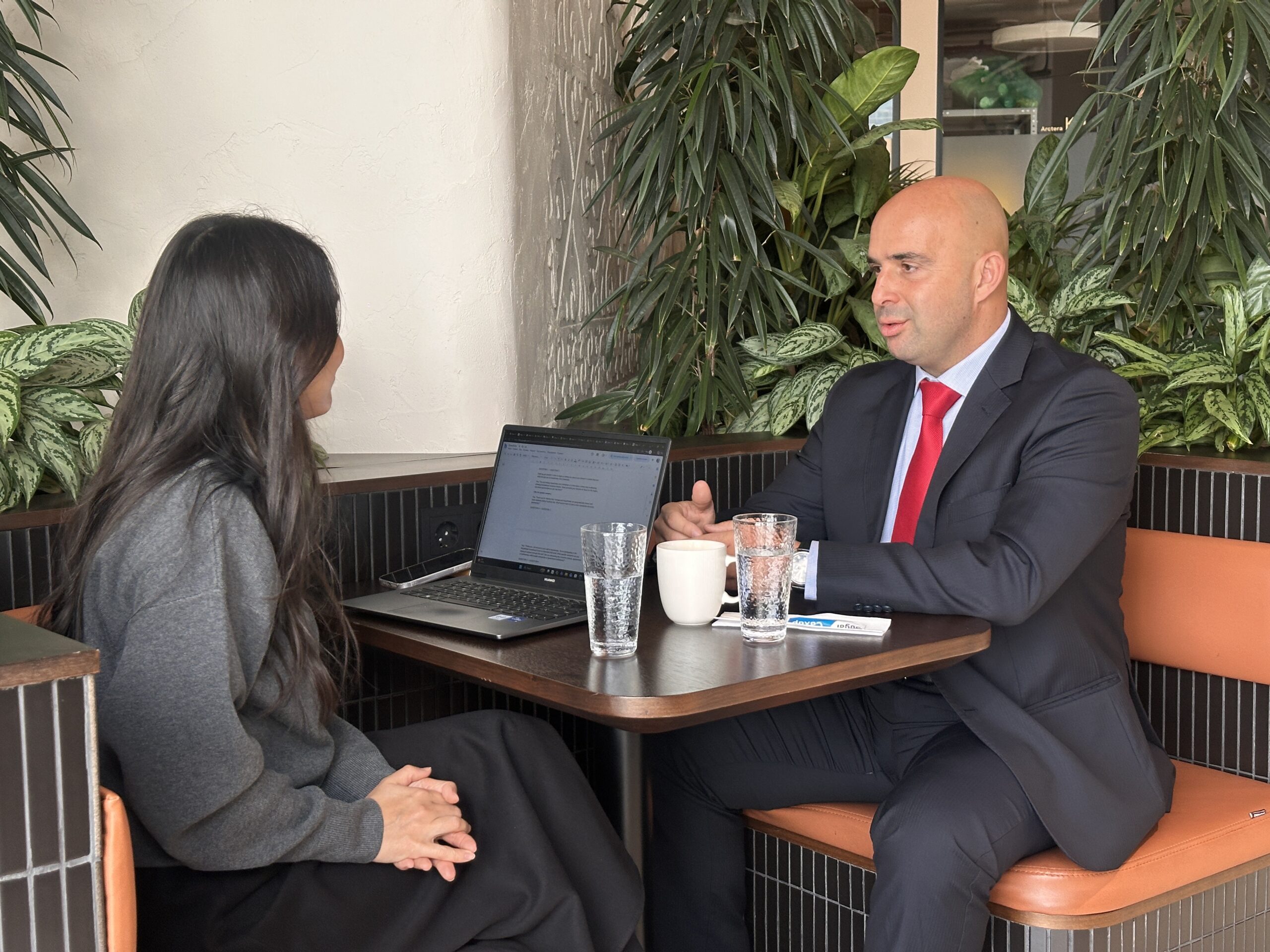
Nelson Fernandes speaks with The Astana Times reporter Dana Omirgazy. Photo credit: The Astana Times
The data is shared in real time with decision-makers, helping emergency teams coordinate their response and simulate the potential consequences of different actions.
The platform is also expanding beyond fire prevention. By combining environmental monitoring with simulation tools, it can help assess how changes in animal populations, soil conditions and weather patterns could affect ecosystems and the risks of future disasters.
“We can actually do something about it before you have a problem, preemptively,” Fernandes said.
The company is also exploring applications for flood management, a relevant area for Kazakhstan following devastating floods in recent years.
Fernandes said the platform incorporates insights from the human sciences to help forecast human behavior and improve emergency planning. This includes accounting for people with disabilities or temporary mobility limitations who may require additional assistance during evacuations.
The technology has been implemented in Portugal, where the company continues to develop its models, with ambitions to expand internationally.
A pilot project as the first step
Despite the potential for nationwide deployment, Fernandes said Kazakhstan should begin with a clearly defined pilot project rather than attempting a large-scale rollout immediately.
“I’m not thinking, of course I want to do a national implementation, of course I want to do a Central Asia partnership, but we need to start,” he said.
A pilot would provide a practical basis for assessing the technology’s effectiveness and identifying opportunities for broader cooperation with government agencies or private-sector partners.
Fernandes also highlighted the potential of the European Union’s Global Gateway initiative and Horizon Europe programs to support projects in digitalization, water management, agriculture and sustainable infrastructure.
He argued that disaster prevention technologies could offer economic as well as environmental benefits by reducing potential losses. Combining European financing instruments with private-sector investment, he said, could help turn promising initiatives into viable projects.
Turning diplomatic goodwill into business
For Fernandes, stronger cooperation between Portugal and Kazakhstan will require more than memorandums of understanding and diplomatic commitments. The priority, he said, should be translating goodwill into tangible partnerships, even if they begin on a small scale.
Geographical distance, in his view, need not be an obstacle. Portugal’s experience and expertise could complement Kazakhstan’s dynamic approach to innovation and development.
“Because if you have that, distance doesn’t matter,” he said, referring to reciprocity in international partnerships.
Fernandes said his first visit to Kazakhstan was an opportunity to meet potential partners, better understand the country’s priorities and identify areas for cooperation. The visit was encouraged by Jean Galiev, Kazakhstan’s Ambassador to Portugal, whose invitation helped bring the two sides together.
The immediate goal is to establish relationships that can lead to concrete projects, with disaster prevention technology offering one possible starting point.
