
BAKU – Regional connectivity, shifting geopolitical dynamics and the forces shaping Central Asia, Mongolia, the Caucasus and Afghanistan were among the key themes on the first day of the CAMCA Regional Forum, which kicked off in Baku on Oct. 1.
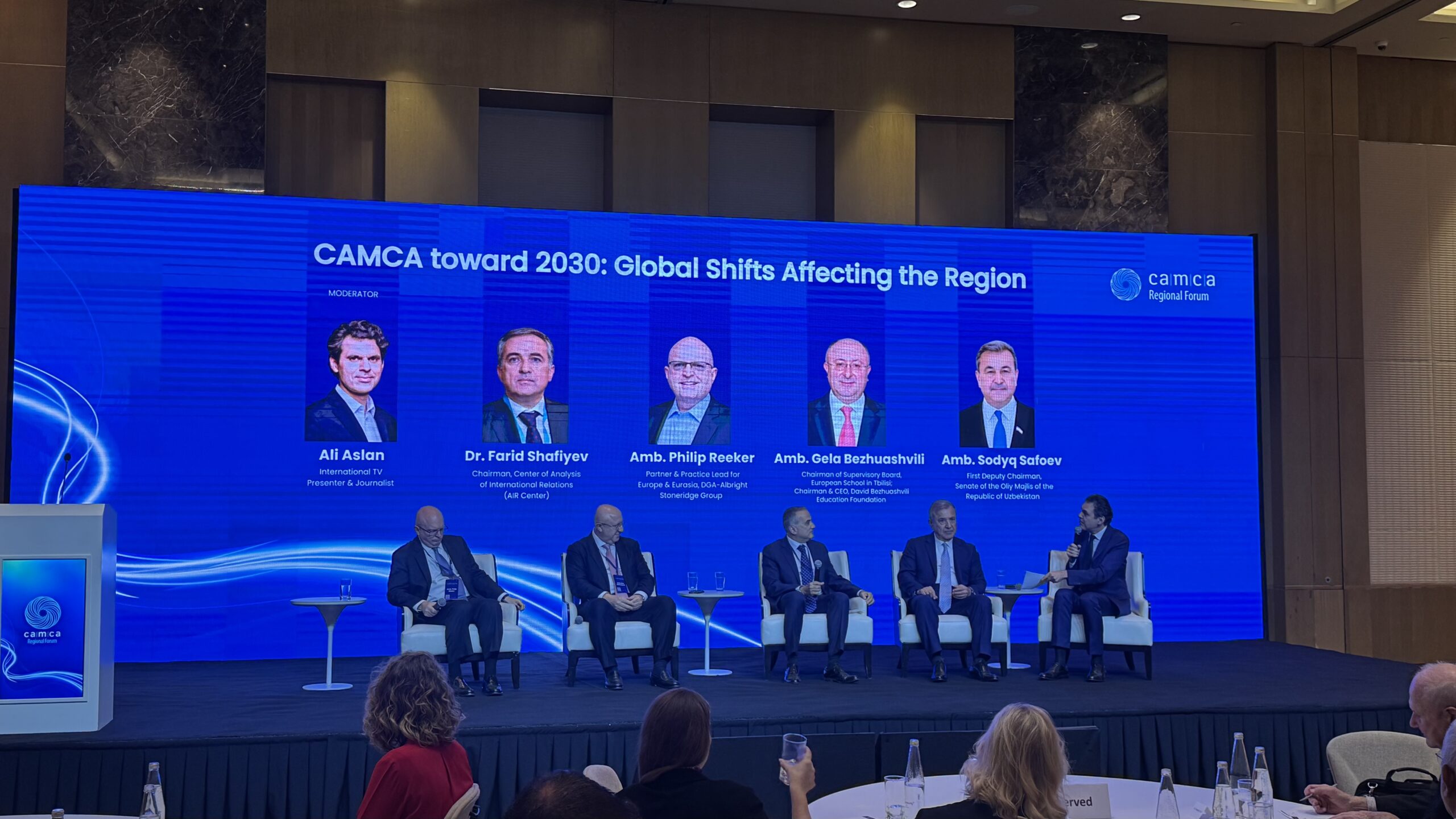
The main message of the session moderated by TV presenter and journalist Ali Aslan was that the CAMCA region is moving from the geopolitical periphery toward the strategic center, and its countries can strengthen their position by turning growing external attention into deeper regional cooperation, connectivity and economic synergy while preserving sovereignty.
The forum opened with a historical perspective from Dr. Frederick Starr, the chairman of Central Asia-Caucasus Institute, who emphasized the role of people in driving greater interconnection across the region.
Cooperation in transport, trade, tourism and business has expanded significantly, while stronger regional institutions are needed to support this growing connectivity, Starr said.
Regional focus
The importance of connectivity was underscored by Azerbaijan’s Minister of Economy Mikayil Jabbarov, who described Central Asia as one of Azerbaijan’s most dynamically growing trading partners over the past five years.
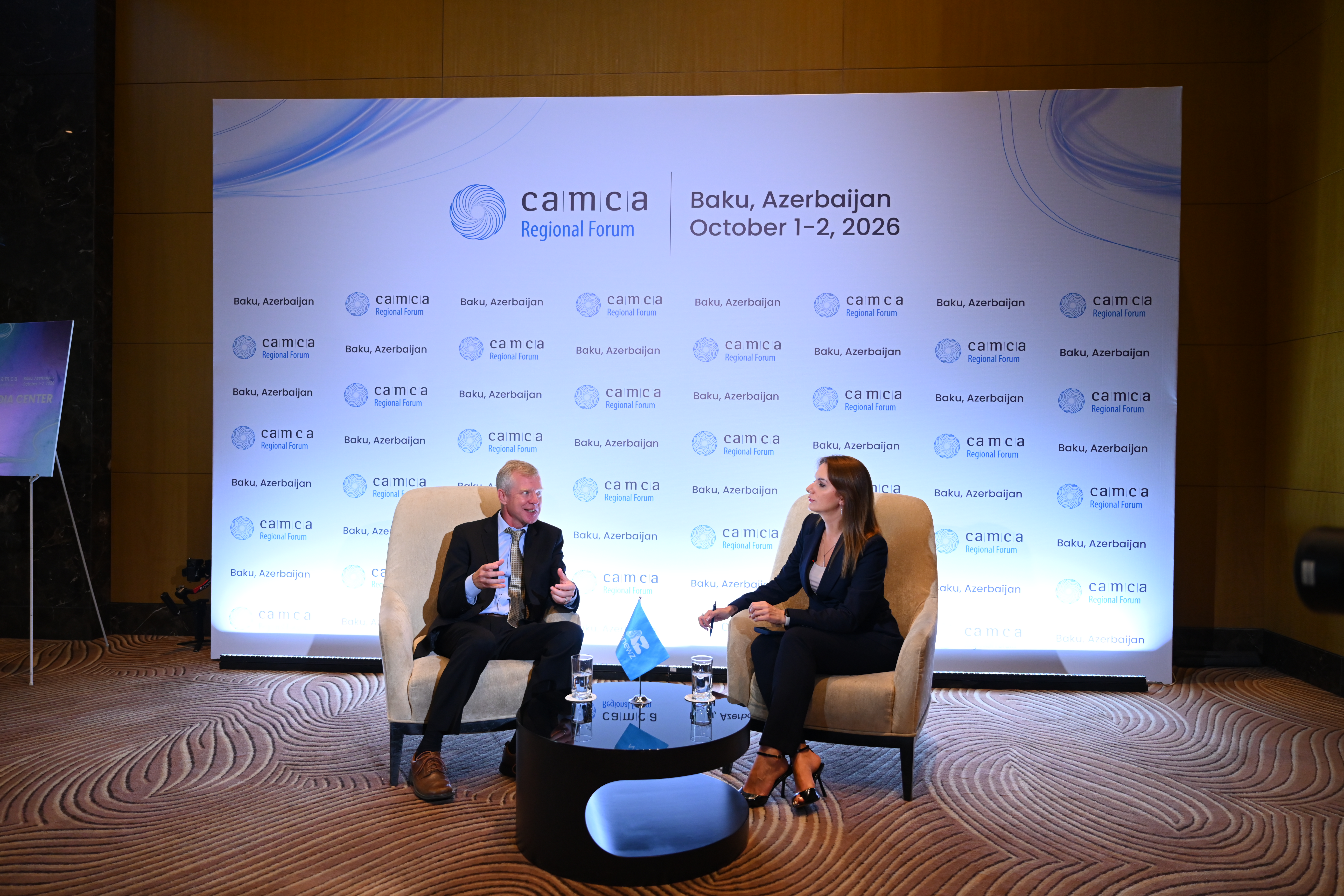
Dr. Svante Cornell. Photo credit: Rufet Bendeliyev.
The Middle Corridor, linking Central Asia and the South Caucasus with markets in Europe and Asia, was a major focus of discussion. A 2023 World Bank assessment found that a combination of investments and efficiency measures could triple trade flows along the route and halve travel times by 2030.
“For us, the next stage of regional integration should go beyond moving goods across borders. We should increasingly produce together, building regional value chains in sectors where our economies have complemented strengths and our major companies and financial institutions are already working in and present at markets of each other. We believe that confidence is measured by delivery, not by signatures,” said Jabbarov.
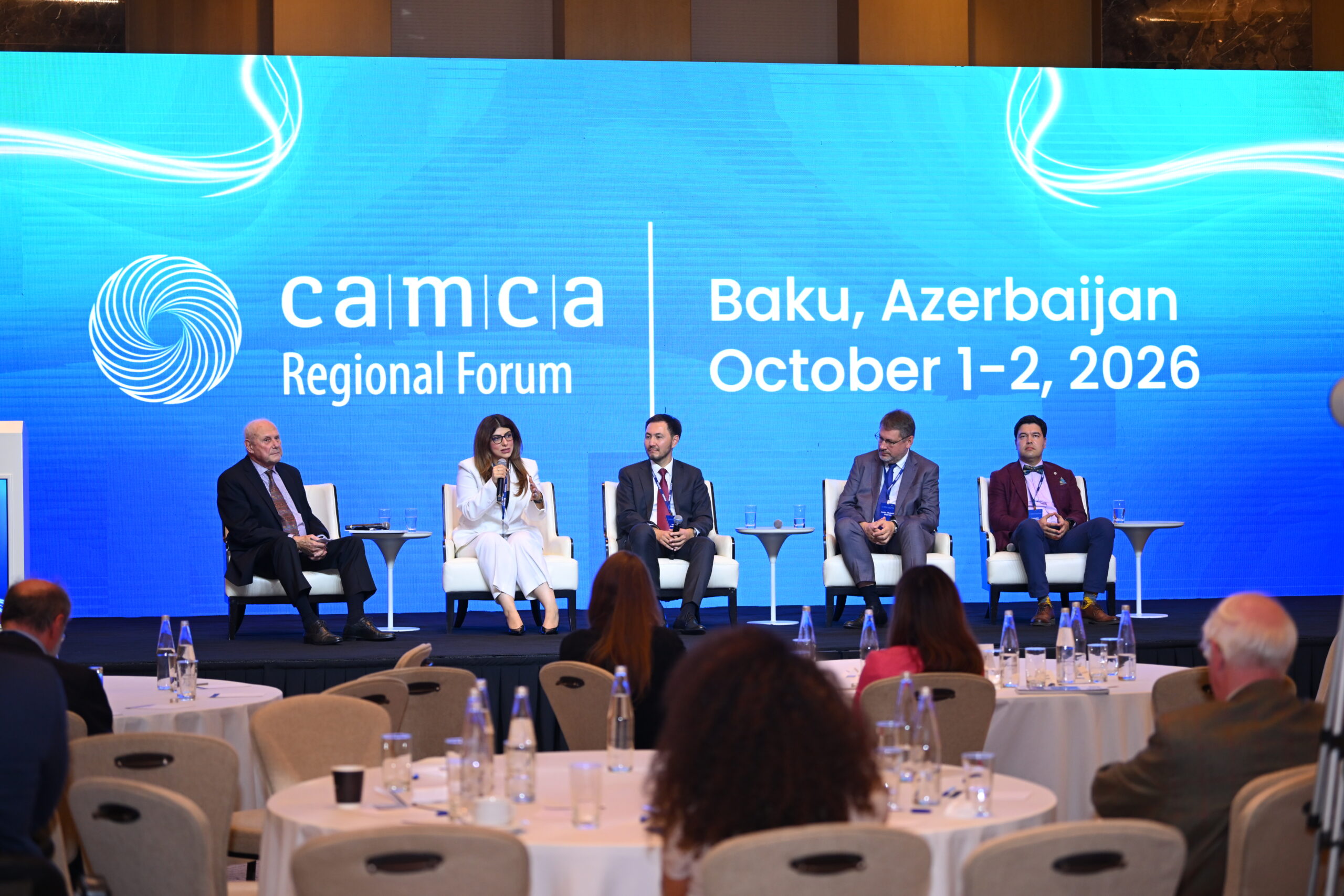
Photo credit: Rufet Bendeliyev.
He noted that investments in Middle Corridor infrastructure serve as evidence of the region’s commitment to long-term development. Plans for green energy and the Black sea cable could also strengthen regional linkages.
“Peace is a very clear economic asset,” said Jabbarov. “Capitalization of the entire region and each country has grown significantly as a result of this process turning regional connectivity into something that can benefit the whole South Caucasus and Central Asian region because a more connected region is a more stable one,” he added.
A broader geopolitical perspective came from Sadiq Safoev, the First Deputy Chairman of the Senate of Uzbekistan’s Oliy Majlis, who said that Central Asia’s position at a crossroads was not a new phenomenon. “For Central Asia, perhaps, it’s a destiny to be at a crossroads,” he said, while arguing that the wider world is also undergoing a period of profound change.
Safoev said the region could transform from a landlocked into a “land linked” one as new transport and economic connections emerge.
At the same time, the speaker pointed to fragmentation in different parts of the world and said regional forces could encourage greater cooperation within Central Asia.
CAMCA network expands
The debates on transformation were followed by a focus on the people and networks behind these changes.
“We see the CAMCA network representatives are in the midst, drivers, not just observers, but drivers of this very change that we are seeing in our region today,” said Svante Cornell, director of the Central Asia-Caucasus Institute.
The CAMCA network itself is also expanding. Managing director Tamar Kekenadze announced plans to host the next CAMCA forum in Uzbekistan in June 2027.
“Our number has increased to 350 now. We created this forum decades ago so that we continue creating friendships, networks, among not only these 10 countries, but beyond, because every one of you who are here today, we know that you care about this region and about the shared future of this region,” she said.
Kekenadze also shared plans to launch a CAMCA TV channel.
Another development highlighted at the forum was the launch of the CAMCA Talking, a magazine founded by network members Aizhan Zhantayeva, Fidan Huseynli and Laura Demessinova.
The magazine provides a platform for voices from the CAMCA region to discuss transformations while honoring the people and communities driving change.
