
ASTANA – Global warming will lead to sharper changes in daily and seasonal temperatures, more extreme weather events, shifts in climate zones and agricultural epidemics caused by invasive fungi, bacteria, viruses and insects. These changes will negatively affect Central Asia’s ability to grow its own food, according to the Central Asian Climate Fund (CACF).
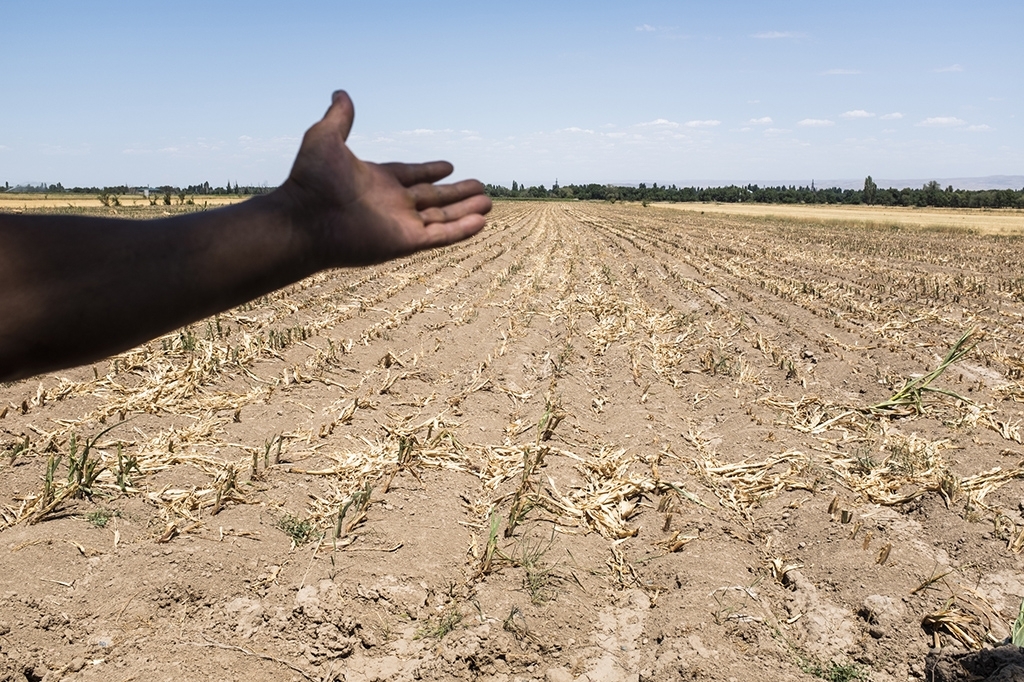
Photo credit: CACF
Temur Yunusov, scientific consultant to CACF, Doctor of Biological Sciences and member of the Cambridge Forum on Central Asia, said climate change is progressing faster than organisms can adapt to its consequences. In some cases, its scale exceeds biological survival thresholds, the CACF reported on Nov. 10.
According to Yunusov, rising global temperatures will increase the frequency of extreme weather events, including frosts, hail, heavy rains, mudslides, landslides, droughts and fires.
“Under these conditions, agriculture will be the first to suffer, which will have a negative impact on the region’s ability to grow its own food,” Yunusov said.
He noted that this would not necessarily lead to mass hunger, as international trade allows countries to import food. However, greater reliance on imports would increase food prices and inflation while making the region more dependent on other countries.
The expert stressed that ensuring food security is a key government responsibility. He said Central Asian countries, notably Kazakhstan, could prepare their agricultural sectors for upcoming climate changes and consider transferring much of their agricultural land to northern regions.
Yunusov also warned that the global transition away from fossil fuels could affect Kazakhstan’s long-term economic prospects.
“If Kazakhstan does not rebuild the basis of its economy, then climate change can negate revenues from the oil and gas industry,” he said.
The expert emphasized that reducing carbon dioxide emissions could influence the pace and intensity of global warming.
The expert’s warning comes as Antalya, Türkiye, hosts the 31st Conference of the Parties to the UN Framework Convention on Climate Change (COP31) from Nov. 9 to 20. The conference brings together representatives of nearly 200 countries to discuss climate action, adaptation, energy transition and sustainable development.
Kazakhstan has opened its National Pavilion at the summit, bringing together government agencies, businesses, scientists, civil society and international partners to present climate initiatives and discuss practical solutions in areas including water security, energy, agriculture and climate finance. The pavilion is also hosting thematic events focused on green technologies, investment and regional cooperation.
