
ASTANA – A group of kulans has been released into the wild in the Ile-Balkhash State Nature Reserve as part of Kazakhstan’s efforts to restore the species’ population and return it to its historical range.
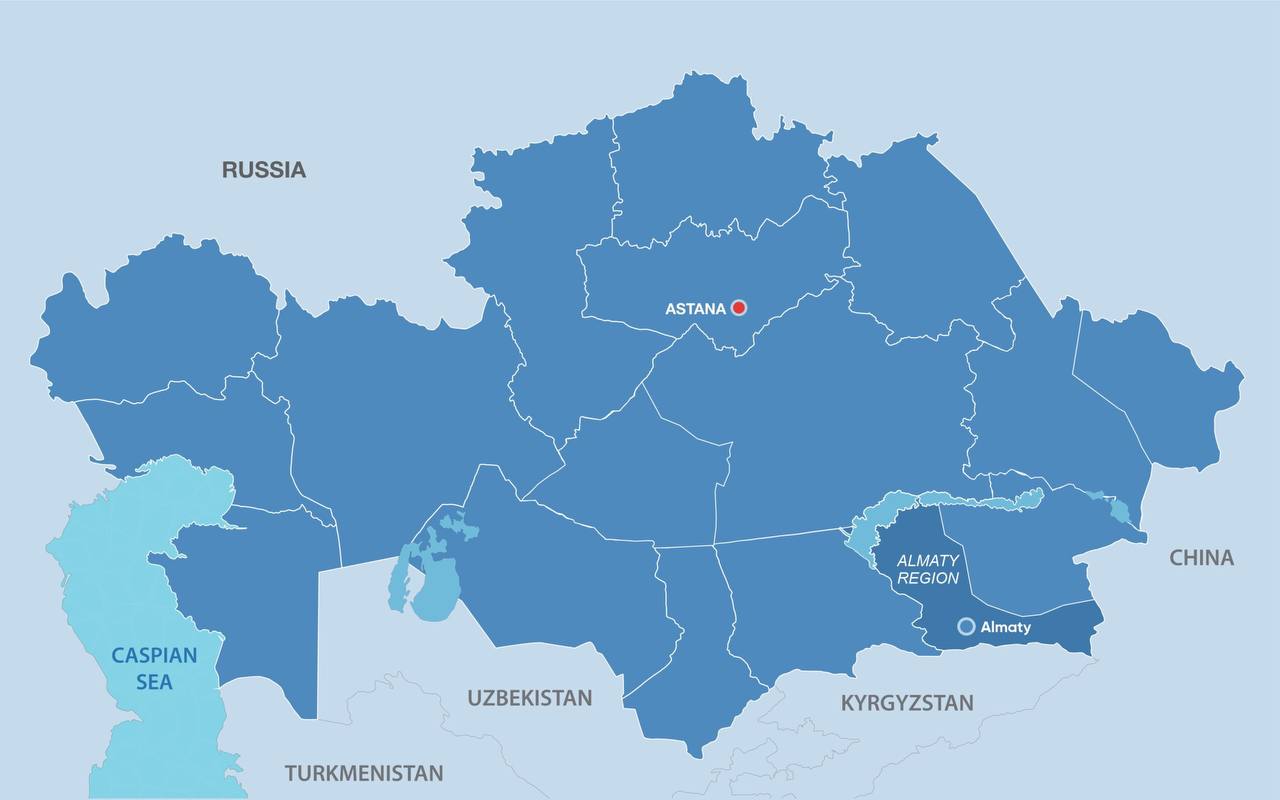
Photo credit: gov.kz. Click to see the map in full size. The map is designed by The Astana Times.
The animals were transferred from Altyn Emel National Park and released into their natural habitat, reported the Ministry of Ecology and Natural Resources. Specialists will monitor the kulans’ adaptation, movements and condition following the release.
The kulan, a wild relative of the domestic donkey, is native to the steppes and semi-deserts of Central Asia. In Kazakhstan, the species disappeared from most of its historical range in the first half of the 20th century, largely due to hunting and habitat loss.
Conservation efforts have gradually helped rebuild the population. In recent years, Kazakhstan has expanded reintroduction programs to several protected areas, including Ile-Balkhash and Altyn Dala.
In October 2024, 24 kulans were transported 2,139 kilometers from Altyn Emel National Park to the Altyn Dala Nature Reserve. The 50-hour journey was part of efforts to develop safer methods for relocating wild animals over long distances.
The Ile-Balkhash reserve has become one of the key sites for restoring native wildlife. The area is part of a wider ecosystem restoration project that includes the return of species alongside measures aimed at creating suitable conditions for the future return of the Turan tiger.
The reintroduction of kulans is intended to strengthen natural ecosystems as well as increase the number of animals in the wild. As large herbivores, kulans contribute to the functioning of steppe and desert habitats by influencing vegetation and forming part of the food chain.
The latest release marks another step in Kazakhstan’s broader biodiversity conservation strategy, which increasingly focuses on restoring species in their historical habitats and rebuilding entire ecosystems rather than protecting isolated animal populations.
