
ALMATY – Kazakhstan plans to commission 845 megawatts of new power generation capacity in 2027 as part of a broader effort to meet growing electricity demand and build a reserve in the national power system. The planned projects combine gas-fired generation with renewable energy, reflecting the country’s strategy to expand capacity through multiple sources rather than relying on a single type of generation.
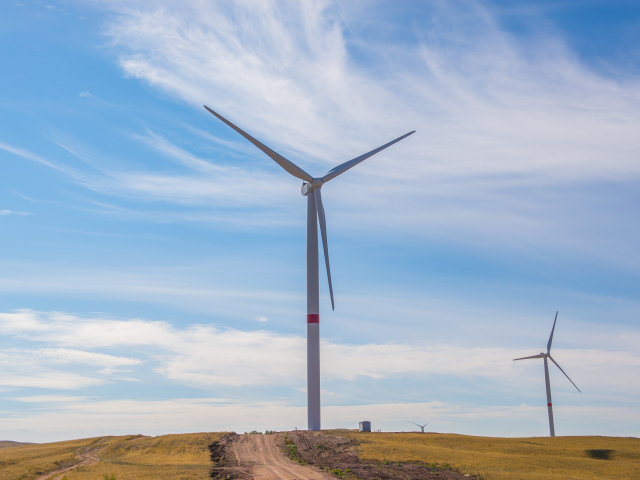
Photo credit: samruk-energy.kz
According to the Energy Ministry, the new facilities are expected to allow Kazakhstan to fully cover its electricity needs as early as the first quarter of 2027. By the end of the year, the country expects to generate an electricity surplus of around 1.3 billion kilowatt-hours.
The 2027 expansion follows a larger planned capacity increase in 2026, when Kazakhstan expects to commission around 2.6 gigawatts of new generation. This includes four gas-fired power plants, expansions of two existing power stations and 10 new renewable energy facilities.
Together, the plans suggest that the government is seeking not only to close the gap between electricity supply and demand, but also to create additional capacity that could provide greater flexibility for the power system.
Gas and renewables form the core of new capacity
Several conventional generation projects are scheduled to be completed in 2027. Five gas turbine units at the Zhambyl State District Power Plant are expected to add a combined 210 MW. A combined-cycle gas plant at MAEK is planned to provide 160 MW, while the first stage of the Baskuat Energoprom project will add 34.7 MW through five gas piston units.
Another combined-cycle plant, developed by Kazakhmys Energy, is expected to contribute 70 MW. At the same time, the government plans to continue expanding renewable generation, with projects totaling 570 MW.
These include a 100-MW solar power plant in the Almaty Region and three solar projects in the Kyzylorda Region with a combined capacity of 70 MW. Wind projects include two 100-MW facilities in the Aktobe Region, a 50-MW wind power plant in the Kyzylorda Region, another 50-MW project in the Turkistan Region and two wind facilities in the Abai Region with a combined capacity of 100 MW.
The planned renewable projects account for a substantial part of the capacity expansion, while gas-fired facilities are intended to provide additional dispatchable generation. This mix is particularly important for a power system that needs both new electricity volumes and generation that can respond to changes in demand.
From meeting demand to building a reserve
The expected 1.3 billion kilowatt-hour surplus by the end of 2027 marks an important shift in the government’s projections. The objective is no longer limited to covering immediate electricity consumption but also includes creating a reserve that could strengthen the reliability of the national grid.
However, installed generation capacity and actual electricity output are not identical. The amount of electricity ultimately available to the system will depend on factors including the operating performance of new plants, fuel supply, grid infrastructure and, in the case of wind and solar projects, weather conditions.
