
ALMATY – The Shanghai Cooperation Organization (SCO) is increasingly shifting from a platform centered on political dialogue and regional security toward one that places greater emphasis on economic resilience, trade connectivity and practical cooperation, as member states respond to growing geopolitical and supply-chain disruptions.
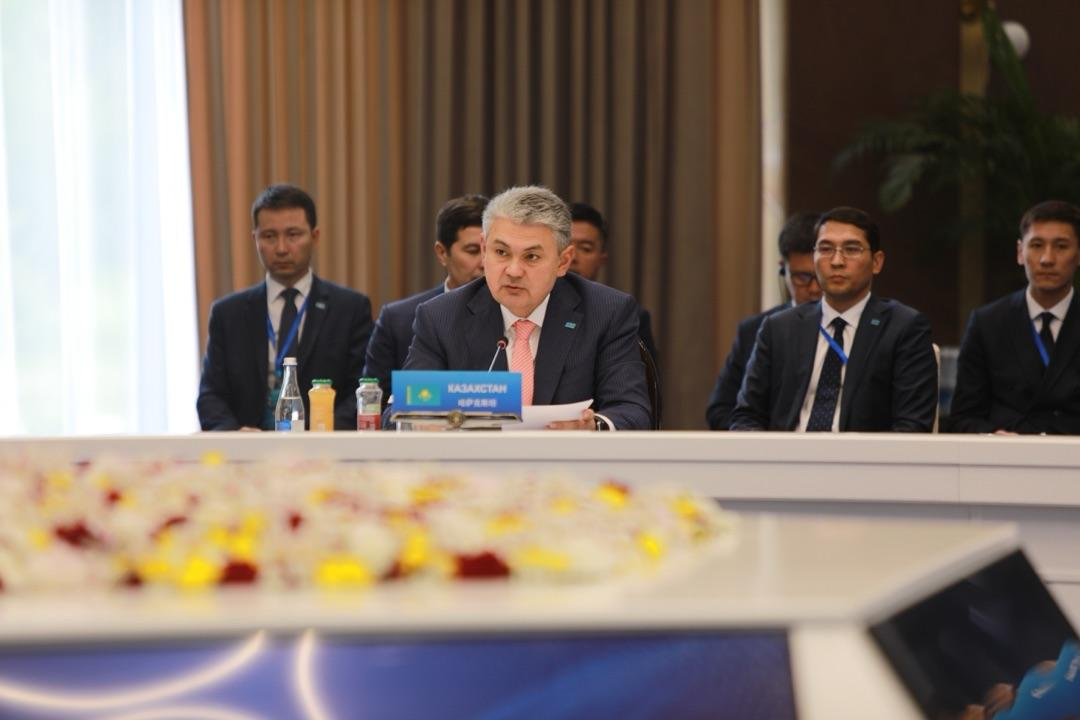
Kazakh Minister of Foreign Affairs Yermek Kosherbayev took part in the regular meeting of the Council of the Foreign Ministers of the Shanghai Cooperation Organization (SCO) Member States on July 24. Photo credit: MFA.
That transformation was at the center of discussions during the July 24 meeting of the SCO Council of Foreign Ministers in Cholpon-Ata, the Kyrgyz Republic, where Kazakhstan called for stronger coordination on trade security, transport connectivity, climate resilience and water management ahead of the organization’s summit in Bishkek on Sept. 1.
Speaking at the meeting, Kazakh Foreign Minister Yermek Kosherbayev said that the rapidly changing geopolitical environment is making economic resilience an urgent priority for the region.
“Geopolitical turbulence, increasingly spilling over into the military sphere, is seriously affecting the stability of international trade relations. Today, the security of supply chains is becoming an ever more pressing issue, including for Kazakhstan,” he said.
Kosherbayev cited attacks by unidentified unmanned systems on energy infrastructure and tankers chartered by Kazakhstan to transport oil as an illustration of growing vulnerabilities affecting international logistics. He said that these risks underscore the need for the SCO to make the protection of regional trade routes one of its strategic priorities.
The emphasis on supply-chain security reflects a broader shift in Kazakhstan’s regional diplomacy. As global trade routes face growing disruption from geopolitical tensions and attacks on critical infrastructure, Astana is increasingly framing transport connectivity not only as an economic objective but also as a strategic security issue.
Analysts say Kazakhstan’s priorities reflect broader changes taking place within the SCO itself. According to Manarbek Kabaziyev, deputy chairman of the board of the Foreign Policy Research Institute under Kazakhstan’s Foreign Ministry, the organization itself is undergoing a broader transformation.
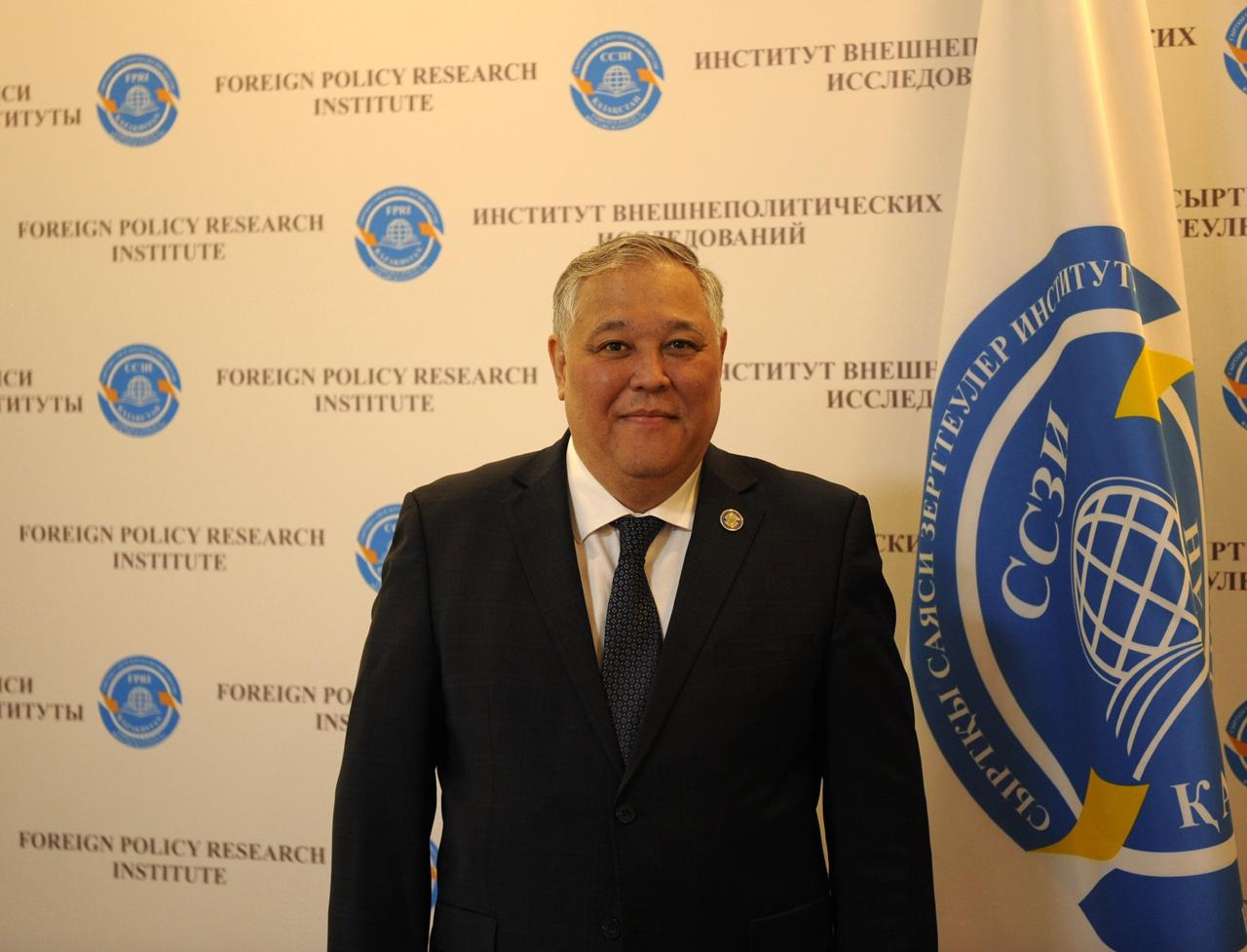
Manarbek Kabaziyev, deputy chairman of the board of the Foreign Policy Research Institute under Kazakhstan’s Foreign Ministry.
“The SCO is indeed going through a stage of qualitative transformation. While its primary task in the early years was strengthening trust and ensuring regional security, today its agenda has become much broader. The focus now includes trade and economic cooperation, transport and logistics connectivity, digitalization, energy, food security and technological cooperation,” he said.
That assessment closely aligns with Kazakhstan’s own priorities within the organization. Alongside transport security, Kosherbayev called for deeper cooperation on climate adaptation and sustainable water management, reiterating Kazakhstan’s proposal to establish an International Water Organization under the auspices of the United Nations and an SCO Water Issues Analysis Center.
The minister also emphasized that the SCO should continue adapting its institutions to contemporary challenges, reflecting Kazakhstan’s broader push to make regional organizations more responsive to economic and technological change.
For Kazakhstan, Kabaziyev said, the shift toward project-oriented cooperation carries particular strategic significance.
“Kazakhstan’s geographic position and its role as one of Eurasia’s key transit hubs objectively make the country one of the main beneficiaries of projects aimed at developing transport connectivity, digital logistics and regional value chains,” he said.
According to him, whether the SCO succeeds in making that transition will likely become one of the defining questions for the organization over the coming years.
Attention will now shift to the Sept. 1 SCO summit in Bishkek, where the organization’s heads of state are expected to define the bloc’s strategic priorities. The extent to which leaders embrace Kazakhstan’s calls for stronger economic coordination and practical cooperation may offer an early test of whether the SCO is indeed evolving beyond its traditional security agenda.
