
ASTANA — Astana attracted a record 438.3 billion tenge (US$840 million) in tourism investment in 2025, the highest figure among Kazakhstan’s regions, as the capital continues to expand its tourism infrastructure and international promotion efforts, city officials said.
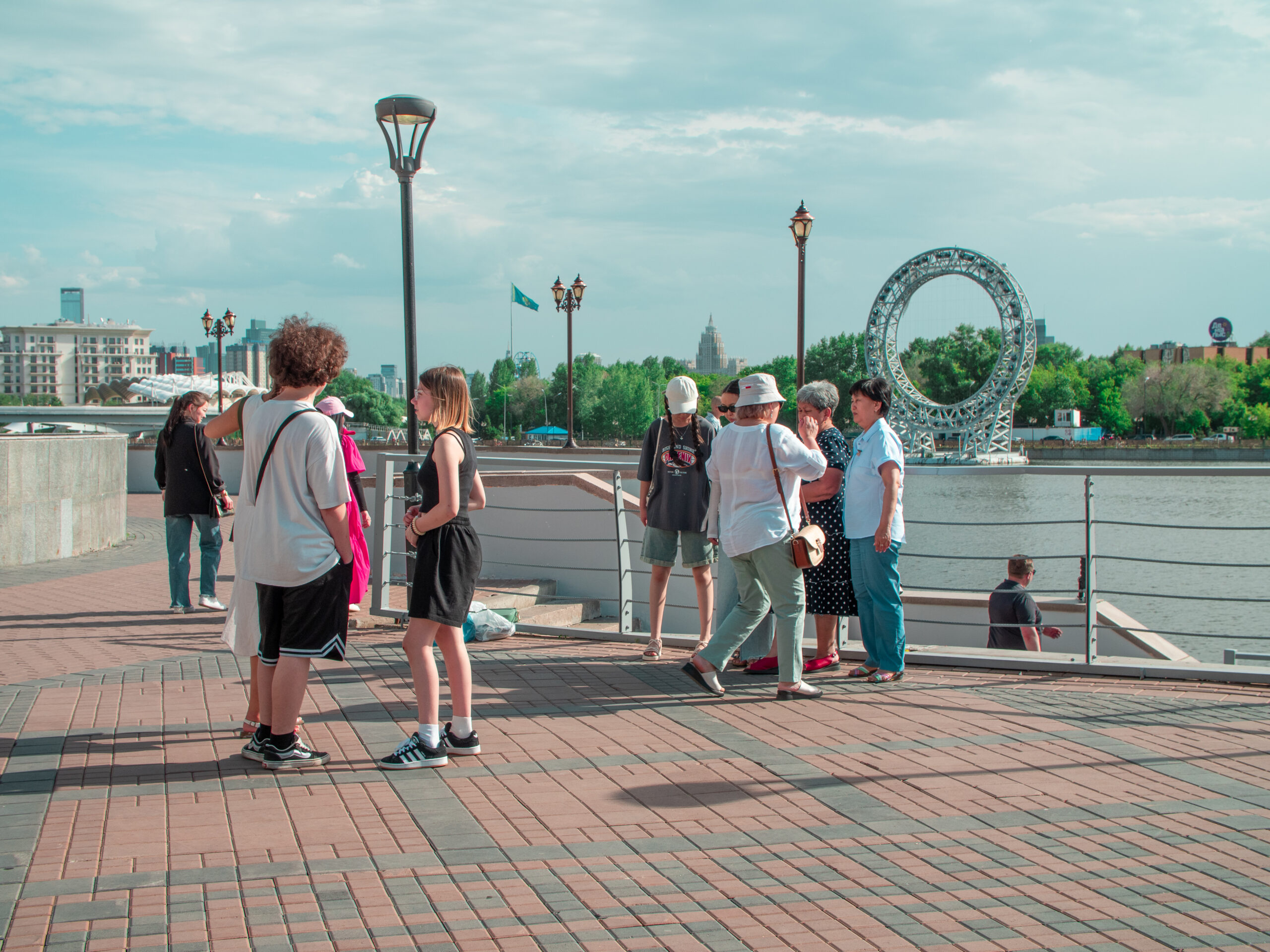
Photo credit: The Astana Times
Speaking at a July 1 briefing at the Central Communications Service, Maksat Zhanabayev, deputy head of Astana’s Investment and Entrepreneurship Development Department, said investment growth has accelerated further in 2026.
During the first five months of the year, tourism-related investment reached 250 billion tenge (US$480 million), nearly doubling compared with the same period last year. For comparison, tourism investment amounted to 272.7 billion tenge (US$522 million) in 2024, 201.4 billion tenge (US$386 million) in 2023, and 112 billion tenge (US$215 million) in 2022, reflecting sustained growth in the sector.
Tourist arrivals continue to grow
According to the data provided, Astana welcomed 1.6 million visitors in 2025, including more than 380,000 foreign tourists. In the first quarter of 2026 alone, the city received 352,200 visitors, up 12% year-on-year, including 67,900 international tourists.
The largest numbers of foreign visitors came from Russia, China, Türkiye, Germany and the United States, while tourism from Uzbekistan, China and the United Arab Emirates has been growing particularly quickly.
According to Zhanabayev, 33 tourism investment projects worth 265.7 billion tenge (US$509 million) are being implemented in the capital.
“Over the next two to three years, we plan to build 24 hotels, including four- and five-star properties operated by international hotel brands such as Swissôtel, Holiday Inn and Wyndham Garden,” he said.
The city is also developing eco-tourism infrastructure. One flagship project, the Les Eco Park, is being financed by a private investor with total investment estimated at 25 billion tenge (US$48.1 million).
Additional projects expected to be completed in the coming years include a children’s camp, an exhibition center, roadside service facilities and a recreation park with a swimming pool.
International promotion intensifies
Astana has also stepped up its international tourism promotion campaign.
“In 2026, Astana was presented at the largest tourism exhibitions in Germany, China and South Korea. We also organized roadshows in Moscow and Russia’s border cities,” Zhanabayev said.
These efforts resulted in more than 400 negotiations with foreign partners, leading to a number of agreements and commercial contracts between tourism-industry representatives.
Zhanabayev added that Astana joined three international tourism organizations this year, a move that he said would create new opportunities to promote the city globally and attract more international visitors.
Focus on service and accessibility
City authorities say they are also working to improve the quality of services available to tourists.
Regular meetings are held with hotels, restaurants and other tourism businesses to enhance service standards. Tourist information centers operate at Nursultan Nazarbayev International Airport and near the Baiterek Monument, where visitors can obtain information and assistance.
Astana is also developing inclusive tourism routes designed for people with disabilities.
According to the city administration, the combined investment and infrastructure projects are intended to reduce shortages in tourism facilities and strengthen Astana’s appeal as a destination for both domestic and international travelers.
