
ASTANA – Kazakhstan’s Foreign Ministry is operating in an enhanced mode amid escalating military and political tensions across the Middle East, prioritizing the safety of citizens abroad and preparing evacuation routes where necessary.
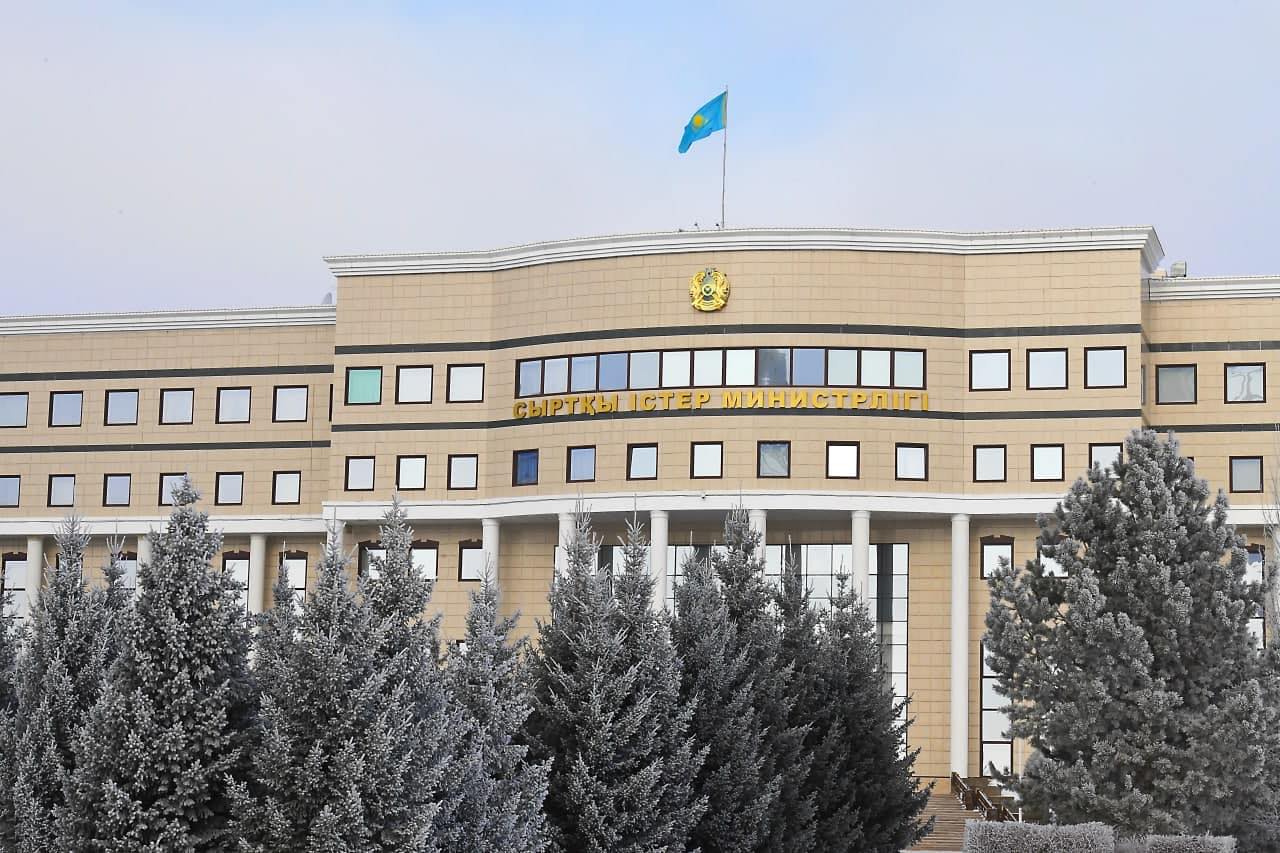
Photo credit: gov.kz
Kazakh diplomatic missions in the region are closely monitoring developments, maintaining constant contact with local authorities and citizens, and providing consular and legal assistance. Embassy staff are operating 24/7 emergency hotlines and updating lists of nationals in affected countries and transit zones. So far, no injuries among Kazakh citizens have been reported.
Citizens across the region
The largest concentrations of Kazakh nationals are in major tourist and transit destinations: around 3,500 in the UAE, nearly 3,000 in Saudi Arabia, and approximately 1,500 in Qatar. Smaller numbers are registered in the region, including 82 in Iran, 168 in Bahrain, 134 each in Kuwait and Jordan, and around 100 in Israel, reported the ministry’s press service on March 2.
With most regional airspace closed and commercial flights suspended, embassies are working with tour operators to arrange temporary accommodation. In the UAE, Kazakh citizens have been provided with hotel stays and meals until conditions stabilize.
Evacuation coordination efforts
Authorities are also developing evacuation plans. For security reasons, independent travel is discouraged. If evacuation flights are organized, priority will be given to vulnerable groups, including older adults, women and children.
Earlier, 50 Kazakh citizens were evacuated from Tehran, including employees of the Zar Kuh company, representatives of the Economic Cooperation Organization, and diplomatic staff.
Kazakhstan’s foreign missions have reached agreements with several neighboring countries to facilitate possible evacuations from Iran.
Armenia has agreed to allow Kazakh citizens to cross the Iranian-Armenian border if evacuation through its territory becomes necessary. Similar coordination has taken place with Azerbaijan, which has expressed readiness to assist. Given restricted land border access, special permits are required; Kazakhstan’s embassy in Azerbaijan has already secured entry permits for two citizens at the Julfa crossing point in Nakhchivan. Turkmenistan has also confirmed its willingness to support transit evacuations.
The Foreign Ministry is providing updates through official websites and digital platforms, including cooperation with Kaspi, to provide timely information directly to citizens’ mobile devices.
The ministry has urged citizens to remain calm, follow local authorities’ instructions, avoid high-risk areas, and monitor official announcements for further updates.
Repatriation flights
According to the Transport Ministry, Air Astana plans repatriation flights to Medina and Jeddah, subject to approval from Saudi and Egyptian aviation authorities. Two flights to Medina and two to Jeddah were scheduled to depart from western Kazakhstan on March 3 and return the same day, with passengers traveling on previously purchased tickets.
Flydubai has also arranged repatriation flights from Dubai to Kazakhstan. Flights FZ1533 (Dubai-Almaty) and FZ1395 (Dubai-Astana), each with 170 seats, arrived this morning on March 3.
Aviation authorities continue to monitor the situation and support the organization of repatriation operations as needed.
