
ASTANA – Kazakhstan has taken its first practical step toward introducing tokenized securities into its capital market, with the National Bank placing 10 billion tenge (US$2.2 million) worth of digital short-term notes on the Kazakhstan Stock Exchange (KASE). The issuance marks a transition from establishing the legal framework for digital financial assets to testing how they can function within the country’s existing financial infrastructure.
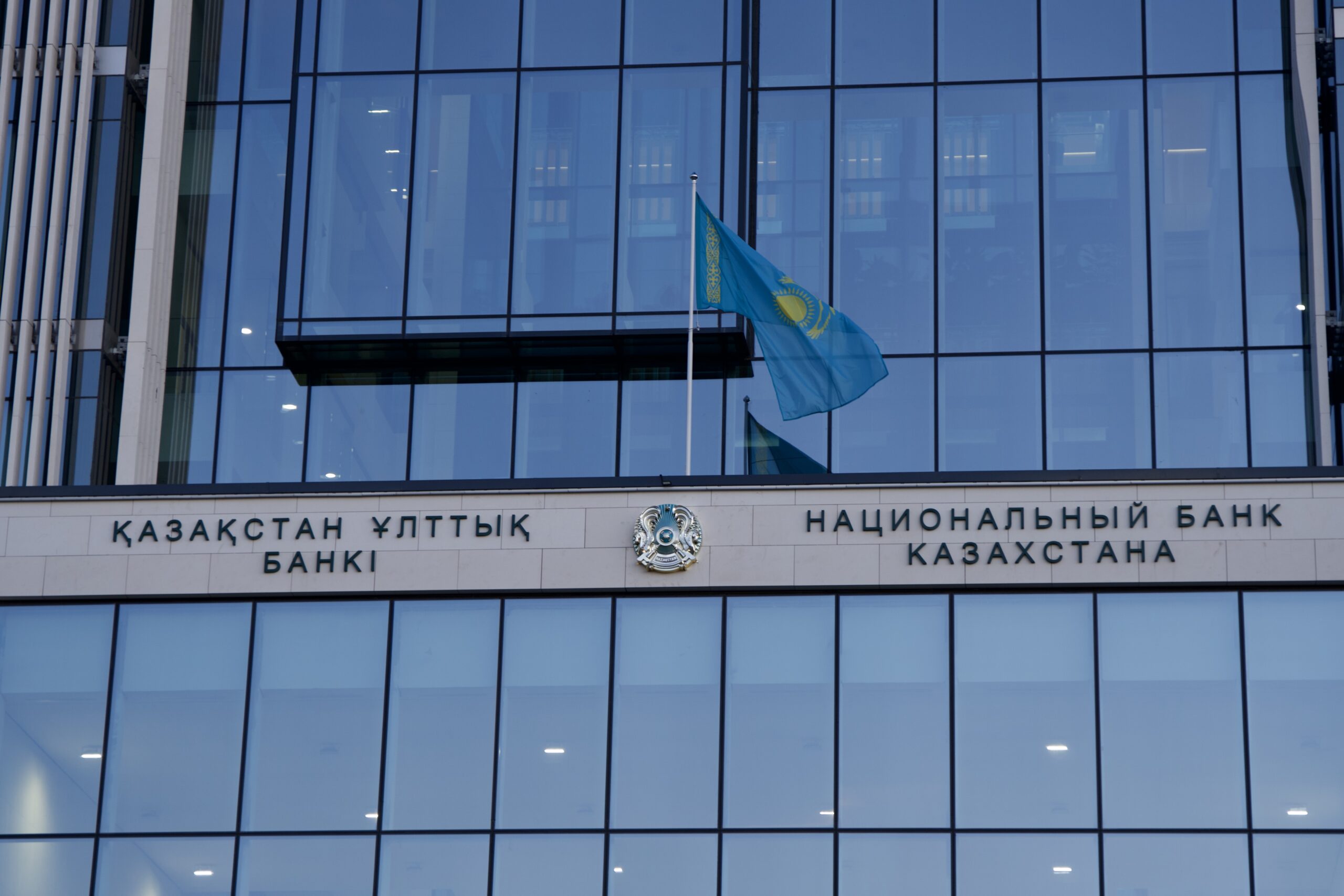
Photo credit: Fatima Kemelova/ The Astana Times
The auction took place on Nov. 9, with the same issue offered simultaneously in traditional and tokenized forms. The National Bank offered the full 50 billion tenge (US$110.9 million), including 10 billion tenge in tokenized notes. The securities have a maturity of 91 days and a weighted average annual yield of 15.72%.
Investor demand reached 70.2 billion tenge (US$155.7 million), exceeding the offering by 1.4 times, the bank reported.
The parallel placement allowed the National Bank to test the new technology while maintaining identical pricing conditions for both forms of the instrument.
How tokenized notes work
Tokenized notes are financial instruments issued in digital form, with investors’ ownership rights recorded through a digital platform. The National Bank remains the issuer and is responsible for fulfilling its obligations to investors.
KASE provides the infrastructure for issuing, placing and circulating the notes. KASE records ownership rights on its digital financial assets platform and reflects them in the Central Securities Depository’s registry, while the KASE Clearing Center handles clearing and settlement.
This arrangement integrates digital technology with established financial market institutions rather than replacing the existing system.
What it means for the market
The main potential benefit of tokenization is making capital markets more accessible and efficient. Digital platforms can facilitate the issuance and transfer of financial instruments, automate certain operations and potentially reduce transaction costs.
For businesses, this could create additional channels for raising capital. For investors, it could expand the range of available instruments and potentially lower entry barriers through fractional ownership.
However, these benefits will depend on market adoption, investor demand, liquidity and the reliability of the regulatory and technological infrastructure.
Economist Ruslan Sultanov, commenting on the development in his Tengenomika channel publication, described the issuance as an important step in moving Kazakhstan from building the regulatory and technological foundations for tokenization to its practical application.
From regulation to implementation
Kazakhstan’s legislative framework for issuing and circulating digital financial assets took effect on May 1. KASE became the country’s first registered operator of a digital financial assets platform and trading platform.
National Bank Chairman Timur Suleimenov said the next priority was to expand the infrastructure’s practical use, attract new issuers and broaden the range of digital financial instruments.
KASE is also prepared to assist potential issuers with structuring transactions, onboarding and preparing securities for placement.
The first issuance demonstrates that tokenized instruments can operate within Kazakhstan’s existing financial market infrastructure. The next test will be whether businesses and other market participants adopt the technology more broadly, turning an initial transaction into a functioning segment of the domestic capital market.
