
ASTANA – Kazakhstan’s steelmaker Qarmet is building new coke batteries scheduled to enter service in 2027, a project that will form part of the country’s first coal-chemical complex, as the company advances a $3.5 billion modernization program reviewed by President Kassym-Jomart Tokayev during his visit to Temirtau on Nov. 2.
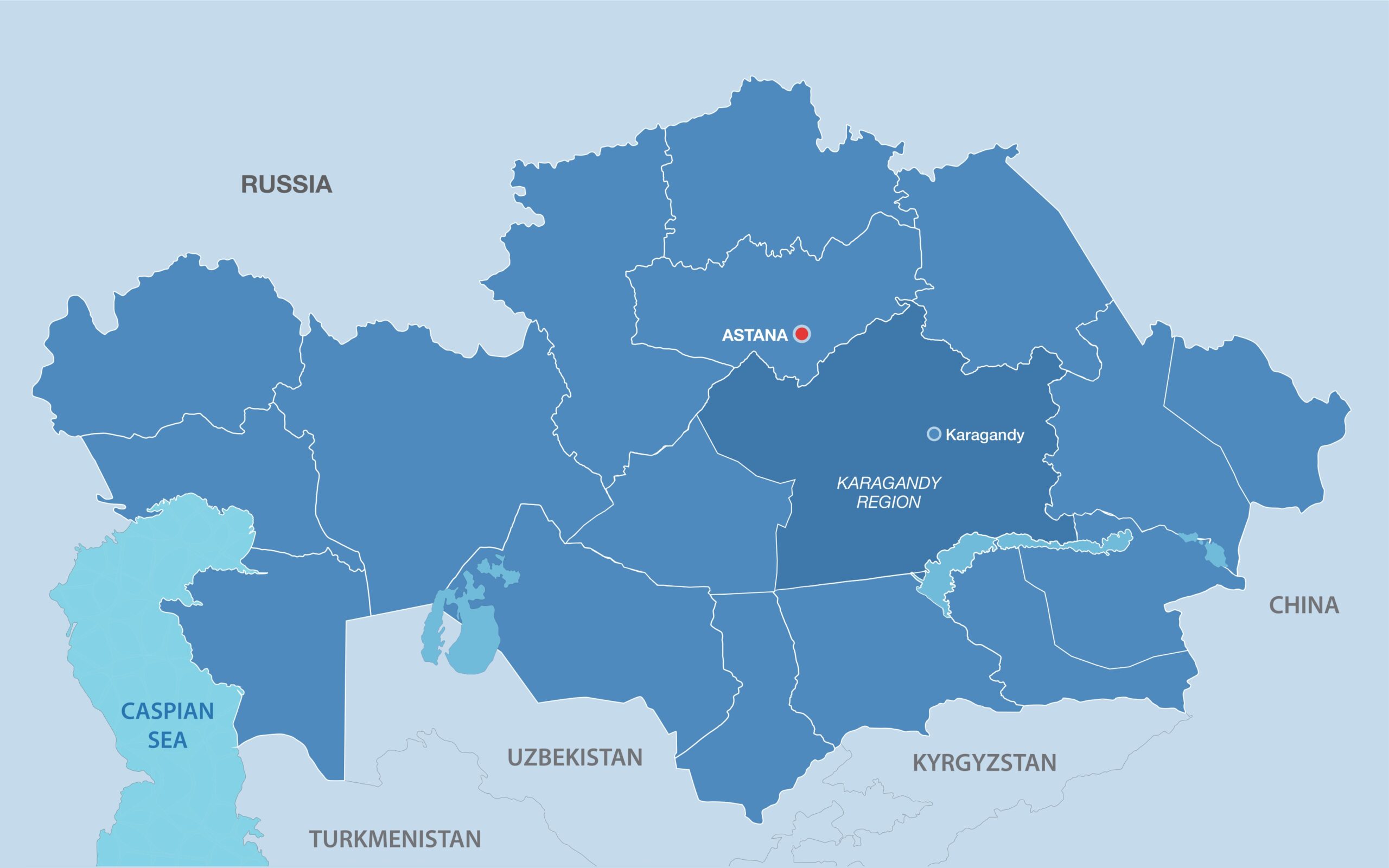
The new facilities are expected to replace ageing production capacity dating to the 1960s and 1970s. Photo credit: Akorda. Click to see the map in full size. The map is designed by The Astana Times.
The new coke batteries are among four major industrial projects planned at the steelworks through 2028. The program also includes a new long-products rolling mill, a galvanizing and polymer-coating line, and a casting and rolling complex.
During the visit, Tokayev praised Qarmet’s investment plans and progress, saying the plant could become “a symbol of progress, success and even prosperity.”
The company plans to produce 4 million tons of steel in 2026, alongside 3.6 million tons of coal concentrate and 3.9 million tons of iron ore concentrate. Since Qarmet began operating, investments have reached $2.7 billion, while the modernization program through 2028 is valued at $3.5 billion.
New coke batteries and steel production
The new coke batteries, Nos. 8 and 9, will have a combined designed capacity of 1.5 million tons of dry coke annually. Each battery will comprise 54 ovens, with chambers measuring 7.6 meters in height.
The facilities are expected to replace ageing production capacity dating to the 1960s and 1970s. Their development will also support the establishment of Kazakhstan’s first coal-chemical complex, designed to enable deeper processing of coking products.
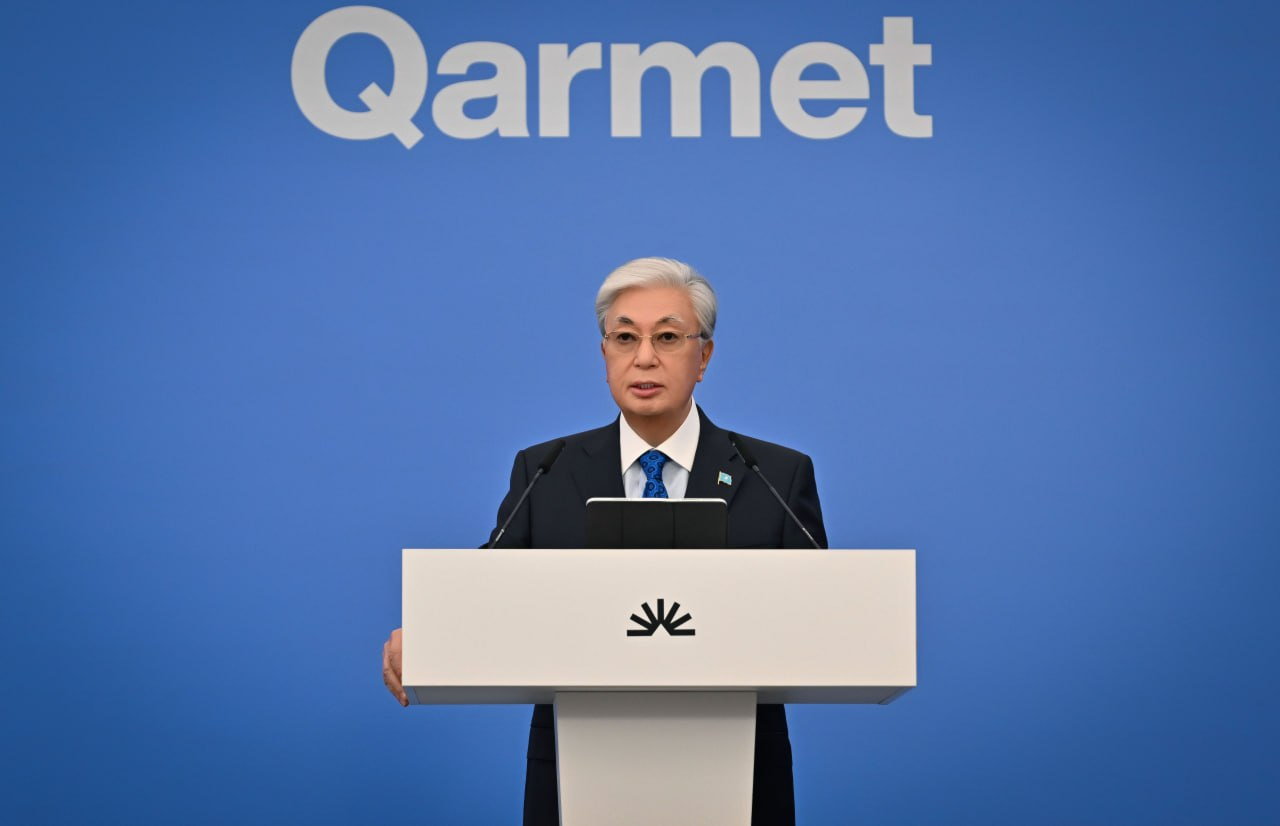
During a meeting with employees and trade union representatives, Tokayev described the Karagandy Region as the “land of hardworking people”. Photo credit: Akorda.
Another major project is a new long-products rolling mill being built with Chinese technology partner CERI. With an annual capacity exceeding 540,000 tons, the mill will produce A600 and A1000 reinforcing steel, angles and channels.
The facility’s furnace will have a capacity of 100 tons per hour, and commissioning is planned for the end of 2026. The project is expected to reduce reliance on imported construction materials and supply steel for major infrastructure projects, including nuclear power plants.
Qarmet is also modernizing its converter shop. In 2024, converters No. 1 and No. 2 underwent major overhauls to increase production capacity and improve operational reliability. The modernization also includes a transition to natural gas.
By 2028, the company aims to increase annual steel production to 5 million tons, coal production to 9 million tons and iron ore concentrate output to 5 million tons.
Restored tram network in Temirtau
Tokayev also reviewed the restoration of Temirtau’s tram network, which Qarmet restored in 2024. More than 30 kilometers of tram tracks were restored or replaced, and eight new trams were introduced. The system also features electronic payment, while Qarmet employees and veterans can use the service free of charge. The network has recorded more than 1 million passenger trips.
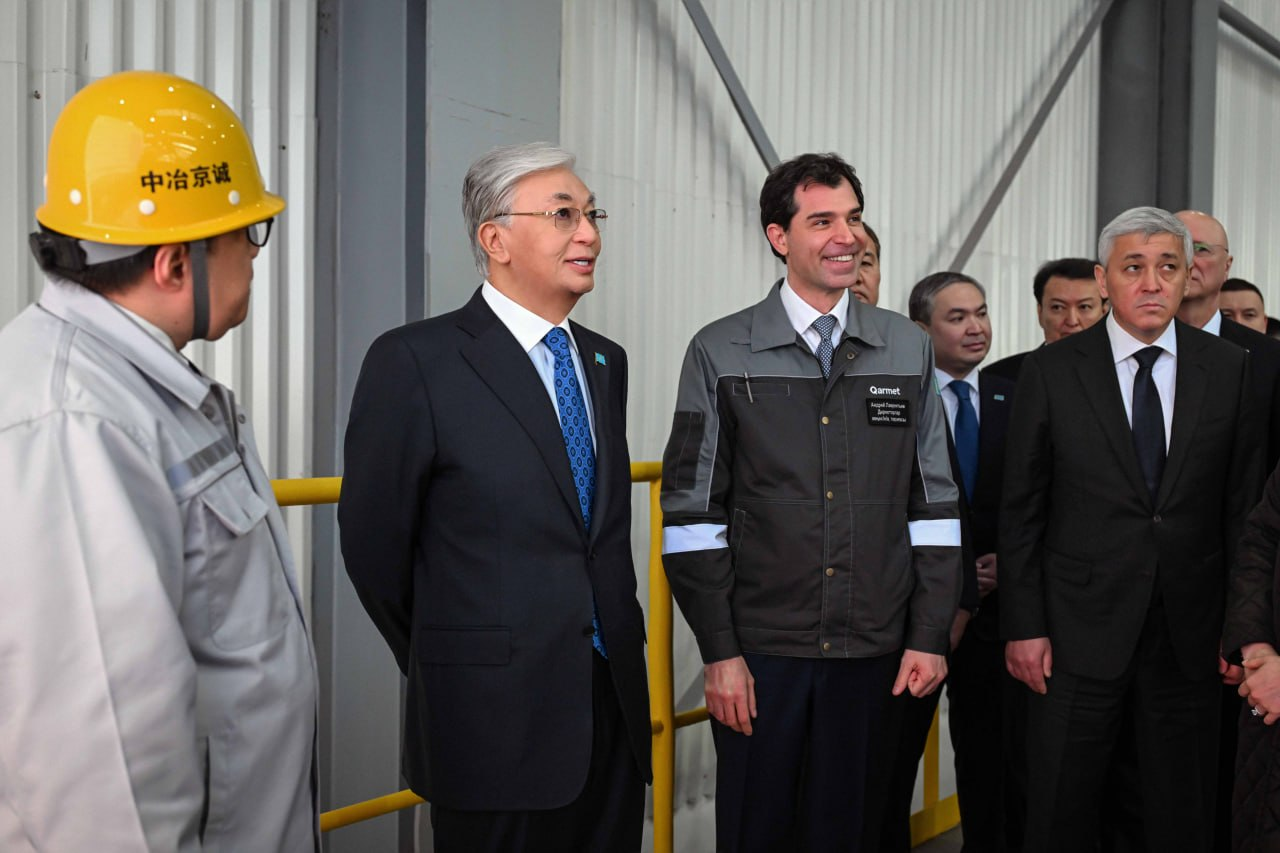
The company advances a $3.5 billion modernization program reviewed by President Kassym-Jomart Tokayev during his visit to Temirtau. Photo credit: Akorda.
“Indeed, the tram is a link between the past and the present for Temirtau. It was right that residents demanded the restoration of tram services and that you responded to their request,” Tokayev said.
He also emphasized the importance of improving living conditions in Temirtau, including expanding access to gas, and welcomed positive changes in the city. He called on the company to continue its modernization efforts and contribute to the city’s development.
Industrial growth and employment
During a meeting with employees and trade union representatives, Tokayev described the Karagandy Region as the “land of hardworking people,” highlighting its contribution to Kazakhstan’s industrial output.
Kazakhstan’s gross domestic product is expected to reach $398 billion by the end of 2026, while manufacturing accounts for more than 14% of the economy, according to figures cited during the visit. Tokayev also highlighted Qarmet’s contribution to workforce development through the “Bolashakka Zhol” (“Path to the Future”) initiative. The program aims to train and employ approximately 500 young specialists, with a particular focus on skilled trades.
He called for continued support for small businesses, referring to a previously announced three-year exemption from inspections, and stressed the need to make loans more affordable for entrepreneurs.
