
ASTANA – Kazakhstan will begin checking electronic travel authorizations for visa-free foreign at five border crossings on Nov. 1, the first step in a nationwide rollout that will make the permits mandatory in July 2027.
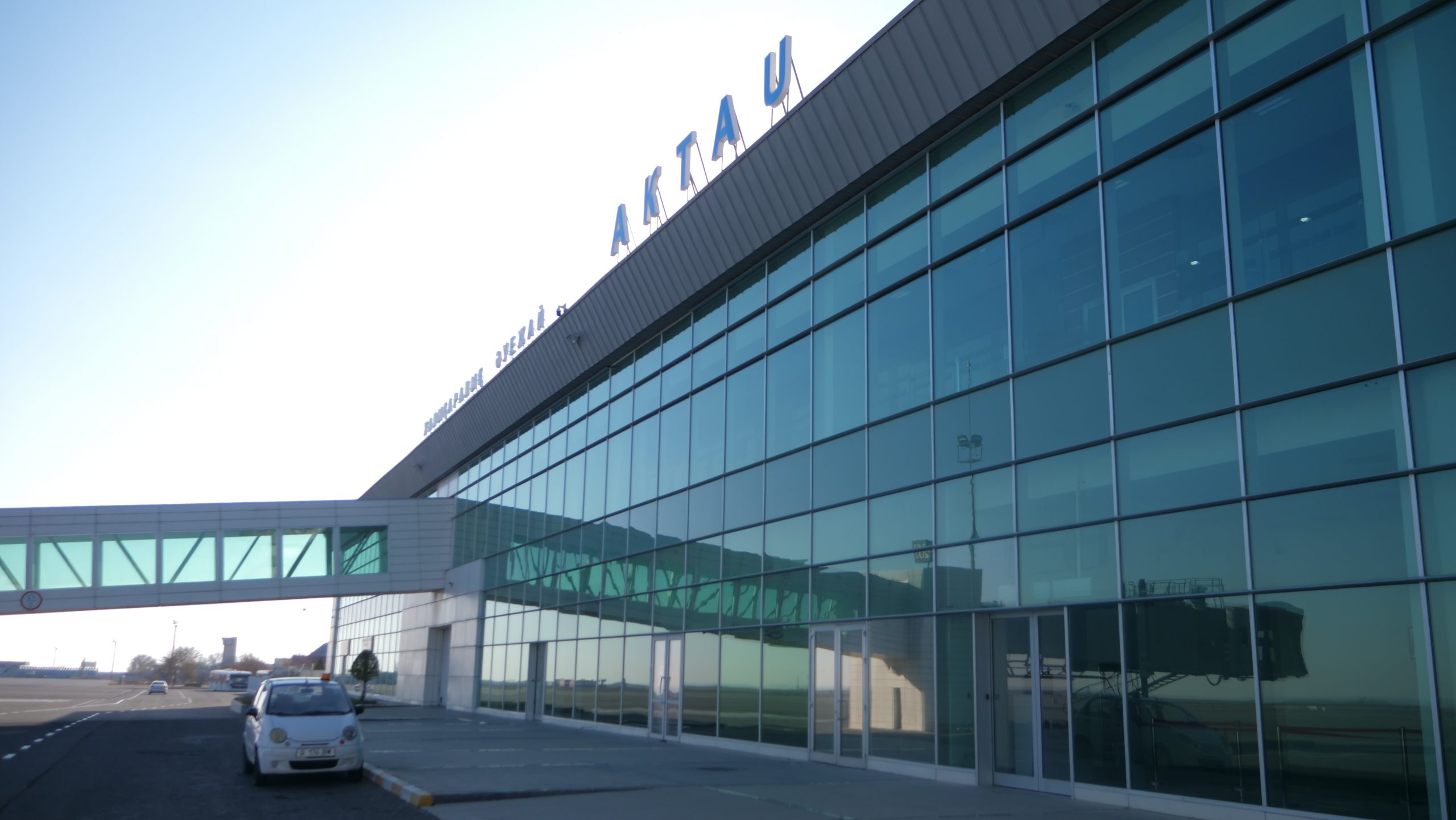
The first phase will cover the Aktau International Airport in the Mangystau Region and four road border crossings: Urlyutobe in the Pavlodar Region, Aukhatty in the Zhambyl Region, Atameken in the Turkistan Region and Nurly Zhol in the Zhetisu Region. Photo credit: aktau-airport.kz
The new QazETA system will initially be voluntary, with travelers allowed to enter Kazakhstan without authorization during an eight-month transition period. Beginning July 1, 2027, eligible foreign nationals who fail to obtain the permit could be denied entry.
The changes are outlined in an Oct. 10 government resolution, which issues a new version of the rules governing the entry and stay of foreign nationals and migration control. The electronic authorization is free and must be requested at least 72 hours before arrival.
Where the checks begin
The first phase will cover the Aktau International Airport in the Mangystau Region and four road border crossings: Urlyutobe in the Pavlodar Region, Aukhatty in the Zhambyl Region, Atameken in the Turkistan Region and Nurly Zhol in the Zhetisu Region.
On Jan. 1, 2027, checks will expand to Astana and Almaty international airports, before reaching all remaining border crossings on March 1. From July 1, 2027, QazETA will become mandatory for all foreign travelers, and the absence of an authorization will become grounds for refusing entry.
During the transition period, which runs through June 30, border officers will inform travelers without QazETA authorization about the new requirements rather than deny them entry solely for lacking the permit.
Who needs QazETA
According to the Kazakh Foreign Ministry, the new requirement will apply to citizens of 85 countries eligible for visa-free travel to Kazakhstan, including citizens of the Eurasian Economic Union (EAEU) member states.
QazETA will not replace the existing visa-free regime or change how long foreign visitors can stay in Kazakhstan. Most visa-free visitors may stay for up to 30 days per visit, with a maximum of 90 days within any 180-day period.
Citizens of EAEU member states may stay for up to 90 days within a 180-day period. Different limits apply to citizens of Türkiye, who may stay for up to 90 days, and India and Iran, whose visa-free stays are limited to 14 days per visit and 42 days within a 180-day period.
The resolution establishes 29 categories of travelers exempt from obtaining QazETA. They include children under 16, adults aged 65 and older, holders of valid Kazakh visas or residence permits, refugees and asylum seekers, and members of official government delegations.
Exemptions also cover eligible diplomatic passport holders, passengers remaining in international airport transit areas, certain transport crew members and international truck and bus drivers, as well as personnel involved in humanitarian, rescue and emergency medical missions.
How to apply
Travelers can apply for QazETA through the official website, qazeta.kz, or its mobile app at least 72 hours before their planned arrival in Kazakhstan. Applicants must complete an online identity verification process. Once approved, the authorization is valid for 180 days, allows multiple entries and is linked to the passport used in the application. The same passport must be presented at the border.
QazETA is free of charge, but approval does not guarantee entry. Border authorities retain the right to deny admission under Kazakhstan’s migration laws, including in cases involving previous deportations or false information submitted by travelers.
Existing migration control rules stay in place. Individuals and organizations hosting a foreign visitor must notify the authorities of their arrival within three business days.
From pilot to rollout
Amendments to Kazakhstan’s migration legislation, signed by President Kassym-Jomart Tokayev on June 24, established the legal framework for the authorization system. The relevant provisions took effect Aug. 25.
The QazETA platform covers more than a single entry permit. The platform also offers electronic visas, e-residency services and certificates confirming border crossings.
Diplomatic outreach
The Kazakh Foreign Ministry said it had informed all 85 countries of the new requirements through diplomatic channels. Application guidelines will also be published on the websites of Kazakh embassies and consulates, while authorities plan to brief foreign diplomats in Astana, reported Tengrinews.
