
ASTANA – In March, the National Bank of Kazakhstan sold $400 million from the National Fund to support transfers to the national budget, while the tenge strengthened to 478 per dollar. According to the bank, further exchange rate dynamics will depend on external factors and global market conditions.
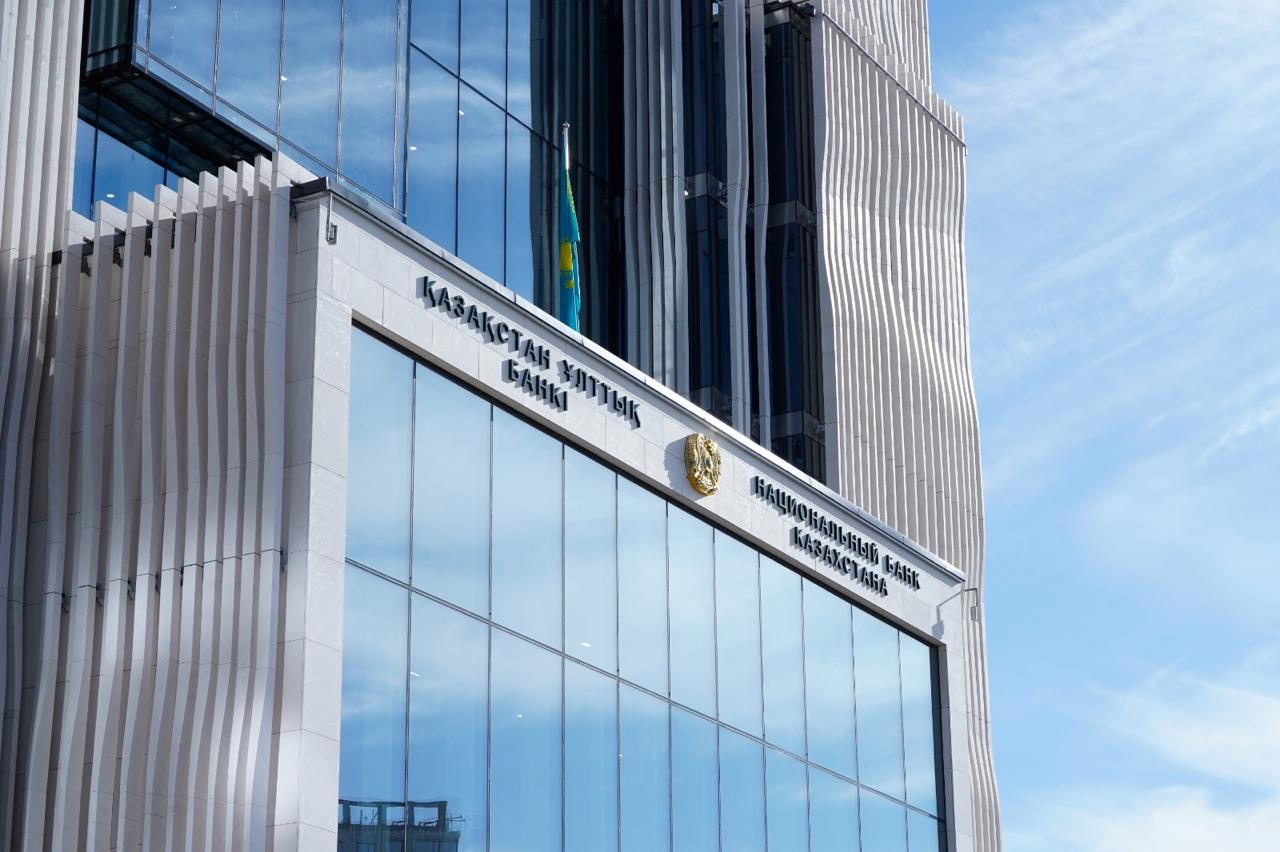
Photo credit: National Bank of Kazakhstan
These transactions accounted for around 6% of the total foreign exchange trading volume, or approximately $22 million per day, Kazinform reported on April 1.
By the end of the month, the tenge had strengthened by 3.9% to 478.15 per dollar. The average daily trading volume on the Kazakhstan Stock Exchange increased from $335 million to $372 million, with total turnover reaching $6.7 billion. In April, the National Bank expects foreign exchange sales from the National Fund in the range of $300-400 million. No foreign exchange interventions were conducted in March.
In the short term, the tenge’s performance will depend on market expectations, the tax period, global market trends, and geopolitical factors. The regulator intends to maintain a flexible exchange rate regime.
External factors and market assessment
National Bank Governor Timur Suleimenov noted that global market developments, including tensions in the Middle East, may affect pension savings, as assets in the National Fund and the Unified Accumulative Pension Fund are invested in equities and bonds.
He emphasized that most investments are concentrated in instruments from developed economies, while Asian markets face greater pressure due to their dependence on oil supplies through the Strait of Hormuz. Kazakhstan’s exposure to these regions remains relatively limited, reducing potential risks.
Tenge and exchange rate policy
Suleimenov emphasized that the tenge has demonstrated resilience and remains one of the most attractive currencies in terms of risk-return ratio, supporting investment inflows.
He attributed the strengthening of the national currency to rising oil prices – Kazakhstan’s main export commodity, which accounts for more than half of export revenues. With production volumes stable, higher prices increase foreign currency inflows and contribute to the weakening of the dollar against the tenge.
He also noted that the National Fund does not incur losses from exchange rate fluctuations because its foreign-currency assets are denominated in US dollars. The regulator, however, does not provide investment advice to the public.
Tariffs and inflation
The National Bank opposes a sharp increase in utility tariffs and fuel prices following the lifting of the moratorium. According to Suleimenov, any adjustments should take inflation into account and be implemented gradually. A tariff increase of 20-30%, he stressed, would be unacceptable.
The moratorium, which froze utility and fuel prices, was introduced by the Kazakh government in October 2025 and lasted until April to protect household incomes amid rising inflation.
